
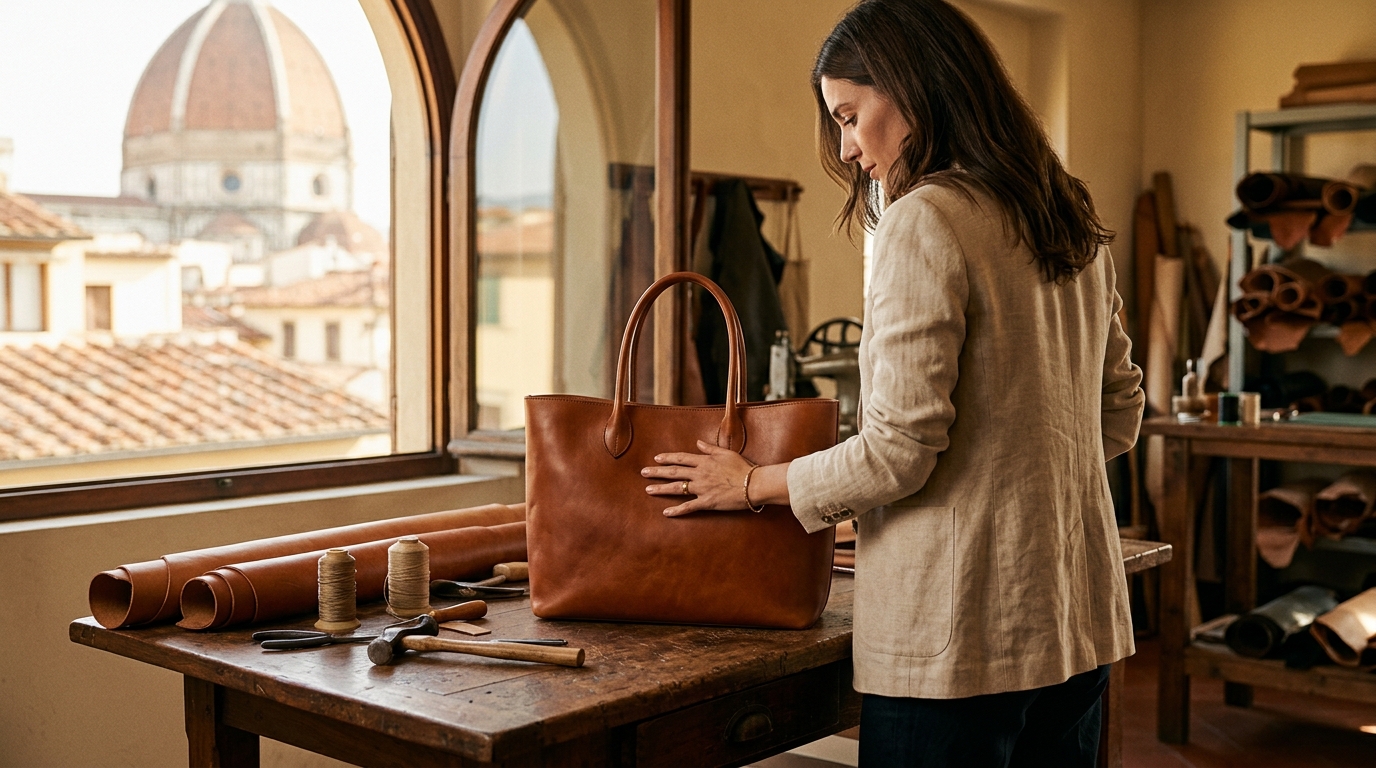
Investing in high-quality leather goods is often viewed as a financial decision, but it is primarily an investment in longevity and heritage. According to industry data, the global luxury leather goods market is projected to reach significant valuation milestones by 2026, driven by a consumer shift toward durable, timeless assets rather than disposable fashion. This guide clarifies the reality behind purchasing premium leather accessories, separating marketing hype from the tangible value of handcrafted Italian craftsmanship. (Premium Men 39 s)
Myth 1: All Leather Ages the Same Way
Many consumers believe that any leather bag will simply "wear in" over time. This is a dangerous misconception. The aging process of leather is entirely dependent on the tanning method used. Vegetable-tanned leather, which is the standard for true investment pieces, undergoes a process that takes 30 to 60 days. This slow chemical reaction preserves the natural grain and allows the material to develop a unique patina. In contrast, chrome-tanned leather, which is faster to produce, often cracks or peels as the synthetic coatings break down.
Vegetable-tanned leather is a material that reacts to sunlight, oils from the skin, and environmental conditions, creating a personalized history on the bag. This is not damage; it is evolution. When you purchase a piece from a heritage atelier, you are buying an object that becomes more distinct with every year of use. The patina serves as a testament to the life the bag has accompanied, from business meetings to weekend travels.
Understanding this distinction is critical for any woman evaluating her wardrobe investments. A bag that maintains its original factory color perfectly after five years is likely coated in plastic, not genuine, high-grade leather. True investment leather tells a story. It does not stay static. It grows with you.
Myth 2: High Price Equals Mass Production
There is a pervasive belief that expensive leather goods are merely overpriced items made in massive factories. This is factually incorrect for brands that prioritize artisanal integrity. The cost of a premium leather piece is driven by the hours of skilled labor required, not just the raw material. A single hand-stitched bag can require 8 to 12 hours of work by a master artisan.
Mass production relies on speed and uniformity. Investment leather relies on precision and individuality. When you look at the stitching on a high-end bag, you will notice slight variations that indicate human hands, not machine repetition. These variations are signatures of quality. They prove that the item was not rushed through an assembly line.
Furthermore, the sourcing of full-grain leather is limited. Only the top layer of the hide is used for premium goods, and even then, natural imperfections must be avoided. This scarcity drives the cost up, but it also ensures durability. A mass-produced bag might cost less upfront, but it rarely lasts more than a few seasons. An investment piece from a Florence atelier is designed to last decades. The price reflects the scarcity of time and skill, not just brand markup.
Myth 3: Investment Pieces Lack Practicality
Some women avoid high-end leather goods because they fear the items are too delicate for daily use. This is a myth rooted in outdated perceptions of luxury. Modern investment leather is engineered for resilience. Full-grain vegetable-tanned leather is dense and resistant to tearing. It handles the rigors of daily commuting, travel, and work without compromising its structural integrity.
Consider the design of a business bag or a crossbody. These items are constructed with reinforced stitching and durable hardware. The Specter Business Bag, for example, is designed to hold laptops and documents while maintaining its shape. It is not a display piece. It is a functional tool for the modern professional. The leather becomes more supple with use, making it more comfortable to carry over time.
Practicality and luxury are not mutually exclusive. In fact, the best luxury items are those that you use every day. A bag that sits in a closet is a wasted investment. A bag that travels with you, protects your belongings, and ages beautifully is the true definition of value. The weight of the leather may feel substantial at first, but it provides a sense of security and quality that lightweight alternatives cannot match.
Myth 4: Maintenance is Prohibitively Complex
Another common barrier to entry is the fear of high maintenance. Many women worry that caring for vegetable-tanned leather requires specialized knowledge or expensive products. The truth is that maintenance is simple and intuitive. Unlike synthetic materials that require chemical cleaners, natural leather responds to basic care.
Regular conditioning with a high-quality leather balm is sufficient to keep the material hydrated and prevent drying. Avoiding prolonged exposure to direct sunlight and keeping the bag away from water stains are the primary rules. If a stain occurs, it can often be gently blotted away without leaving a permanent mark. The leather's natural oils help repel minor moisture.
Investing in a leather care kit is a small price to pay for the longevity of the bag. These kits typically include a cleaner, a conditioner, and a brush. Using them once a month is enough to keep the leather in pristine condition. This routine is not a chore. It is a ritual that strengthens the bond between the owner and the object. Over time, you will learn exactly how your specific bag reacts to care, allowing you to tailor the maintenance to its needs.
Myth 5: Sustainability is a Myth in Luxury
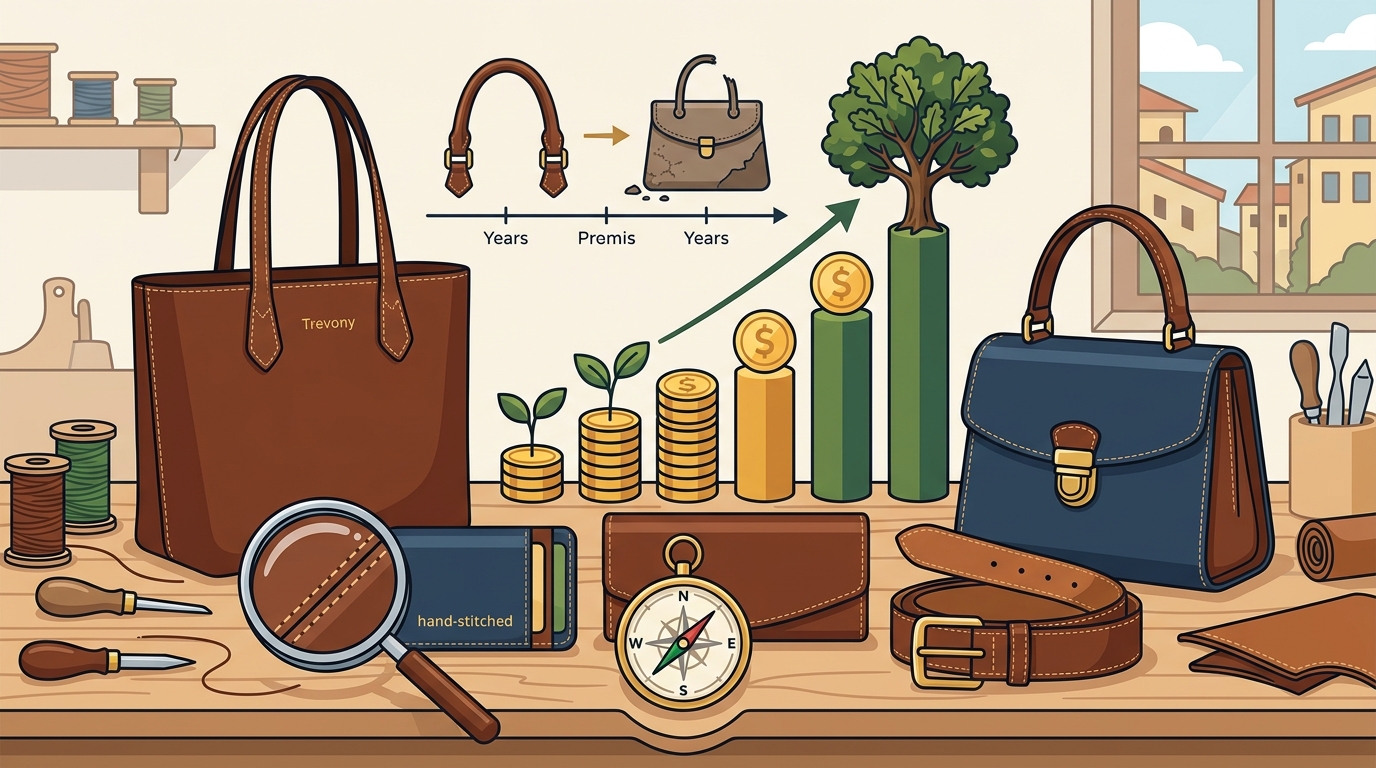
Critics often argue that luxury fashion is inherently unsustainable. While the fast fashion industry is a major polluter, the model of investment leather is fundamentally different. Buying one high-quality bag that lasts 20 years is more sustainable than buying ten cheap bags that last two years each. This is the core principle of conscious consumption.
Furthermore, the tanning process used by heritage artisans is often more environmentally friendly than industrial alternatives. Vegetable tanning uses natural tannins from tree bark and leaves, which are biodegradable. Chrome tanning, used in mass production, involves heavy metals that can be hazardous to the environment if not disposed of correctly. By choosing vegetable-tanned leather, you are supporting a craft that respects natural resources.
Additionally, the longevity of these pieces reduces waste. When a bag is built to last, it is less likely to end up in a landfill. It can be repaired, restored, or passed down as an heirloom. This circular lifecycle is the future of sustainable luxury. Brands like Trevony are leading this charge by emphasizing the lifetime value of their products. They are not selling a trend. They are selling a legacy.
Comparing Leather Types and Value
To help you make an informed decision, it is essential to compare the different types of leather available in the market. The table below outlines the key differences between mass-produced leather and investment-grade leather.
| Feature | Mass-Produced Leather | Investment Leather (Vegetable-Tanned) |
|---|---|---|
| Tanning Time | 24 hours (Chrome) | 30 to 60 days (Vegetable) |
| Production Method | Machine-stitched, high volume | Hand-stitched, limited quantity |
| Aging Process | Cracks, peels, or fades uniformly | Develops a unique, rich patina |
| Lifespan | 1 to 3 years | 20+ years with proper care |
| Environmental Impact | High (Heavy metals, waste) | Low (Natural tannins, biodegradable) |
| Cost per Year | High (Frequent replacement) | Low (Amortized over decades) |
Key Takeaways
- Patina is Progress: Vegetable-tanned leather ages uniquely, developing a character that mass-produced leather cannot replicate.
- Time Defines Value: The 30 to 60 day tanning process ensures density and durability that fast tanning methods cannot achieve.
- Artisanal Integrity: Each piece requires 8 to 12 hours of hand-stitching, ensuring structural strength and individuality.
- Sustainable Choice: Investing in a single high-quality bag reduces waste compared to replacing cheap alternatives every few years.
- Practical Luxury: Full-grain leather is resilient and suitable for daily use, from business meetings to travel.
- Simple Maintenance: Basic conditioning and protection from extreme elements are all that is needed to preserve the leather.
- Heritage Craft: Florence's leather tradition spans over 700 years, offering a level of expertise unavailable in modern factories.
Frequently Asked Questions
How do I know if leather is truly vegetable-tanned?
Vegetable-tanned leather has a natural, earthy scent and a lighter, more natural color when new. It will darken slightly with exposure to sunlight and develop a rich patina over time. Chrome-tanned leather often has a chemical smell and a more uniform, dyed appearance.
Can I use my investment leather bag every day?
Yes, investment leather is designed for daily use. The full-grain hide is dense and durable. In fact, regular use helps the leather maintain its suppleness and develop its patina more evenly. Just ensure you allow the bag to rest and breathe between uses.
What is the best way to clean a vegetable-tanned leather bag?
Use a soft, dry cloth to remove dust. For deeper cleaning, use a specialized leather cleaner designed for vegetable-tanned leather. Avoid water and harsh chemicals. Always follow up with a leather conditioner to keep the material hydrated.
Why are Trevony bags priced higher than other luxury brands?
The price reflects the cost of raw materials, the hours of skilled labor, and the limited production volume. Each bag is handcrafted in Florence by master artisans, ensuring a level of quality and attention to detail that mass production cannot match.
Does the leather scratch easily?
Vegetable-tanned leather is durable but can show surface scratches. These are often considered part of the bag's character and can frequently be buffed out or will blend into the patina over time. It is a sign of genuine leather, not a defect.
How long does it take for the patina to develop?
The patina develops gradually over months and years of use. It is not an overnight process. The leather will slowly darken and deepen in color, reflecting the unique history of the bag and its owner.
Are Trevony bags suitable for formal occasions?
Absolutely. The sleek designs of the Specter Business Bag and the refined aesthetics of the Lumora BumBag make them suitable for both professional and formal settings. The high-quality leather elevates any outfit.
Explore the Collection
Understanding the myths and facts of investment leather empowers you to make choices that align with your values and lifestyle. Trevony offers a curated selection of handcrafted leather goods designed to last a lifetime. From the Specter Business Bag to the Milo Backpack, each piece is a testament to Florence's artisanal heritage. Discover the difference that true craftsmanship makes. Visit Trevony to explore the collection and mark your moment with a bag that grows with you.