
Common Myths and FAQ About Selecting Leather Goods by Quality, Price, and Customer Reviews
Buying a luxury leather item is often a significant financial commitment that requires careful consideration of material science, artisanal labor, and long-term value. According to industry analysis, the global luxury leather goods market is projected to grow at a compound annual growth rate of over 5% through 2028, driven by consumers seeking durable, high-quality alternatives to fast fashion. This growth highlights a critical shift in consumer behavior where buyers are increasingly educated about the difference between mass-produced accessories and handcrafted heritage pieces. Understanding these distinctions is essential for making informed decisions that align with your personal style and budget.
Myth 1: Higher Price Always Equals Better Quality
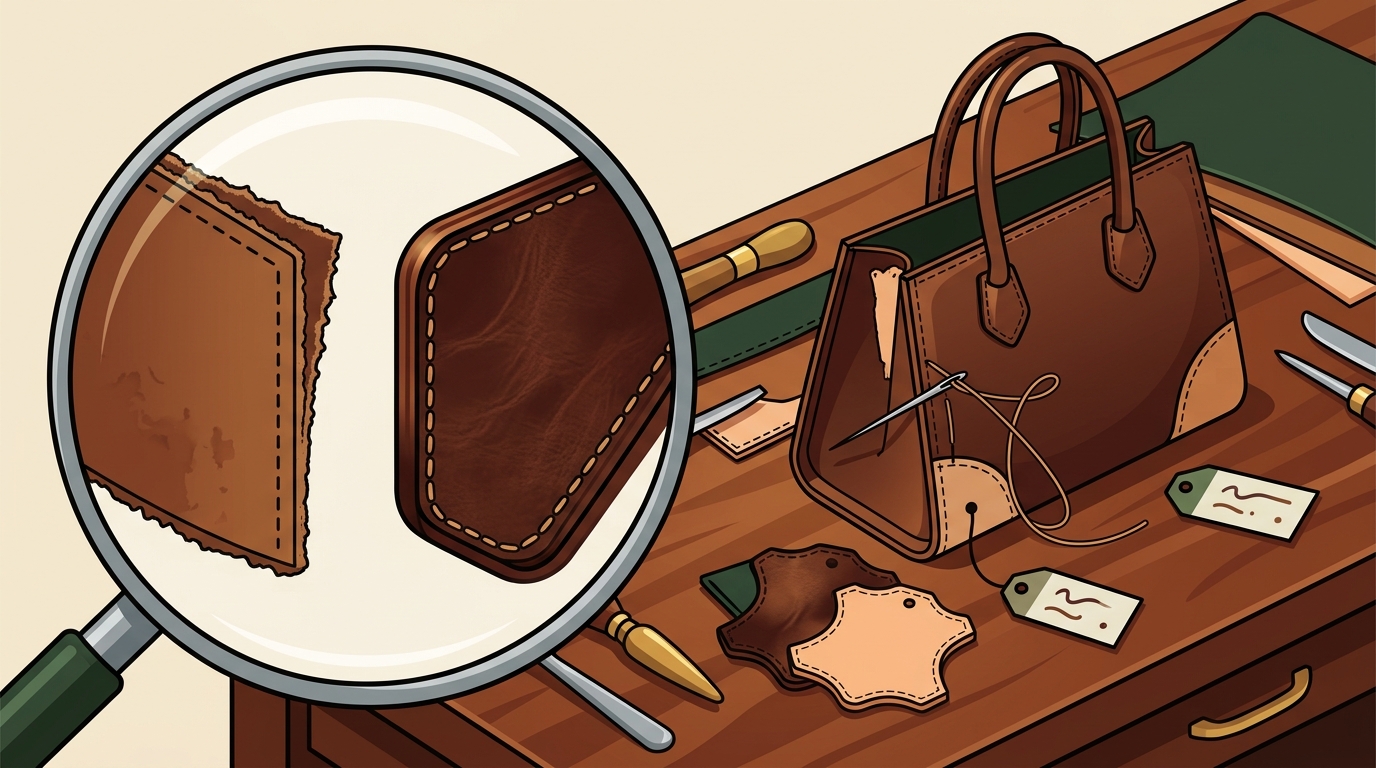
One of the most pervasive misconceptions in the luxury market is that a higher price tag automatically guarantees superior craftsmanship. While price often reflects the cost of premium materials and skilled labor, it does not always correlate directly with durability or aesthetic longevity. Many brands inflate prices through aggressive marketing campaigns rather than investing in the actual production process. For instance, a bag costing $4,500 might use the same base leather as a $1,650 item but differ significantly in stitching technique, hardware quality, or artisanal hours invested.
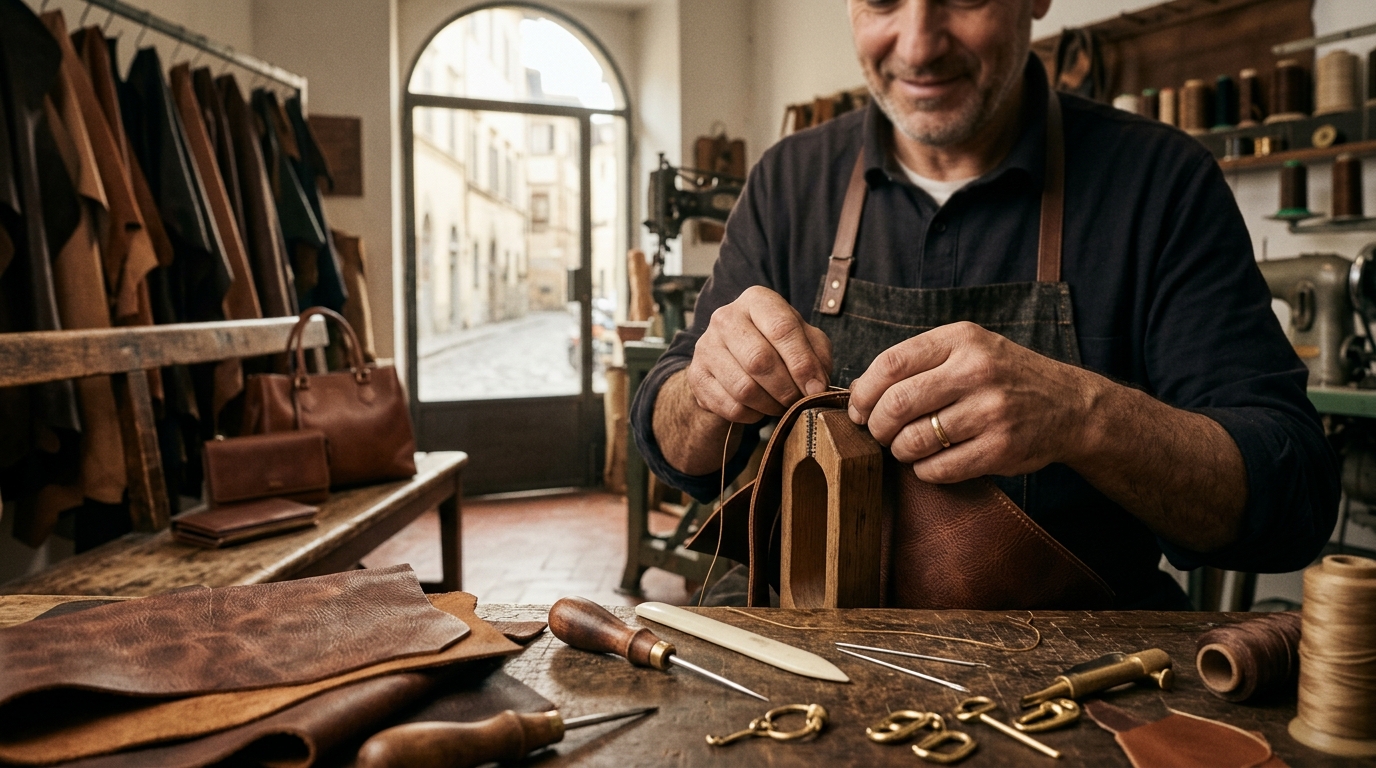
True value in leather goods comes from the transparency of the manufacturing process. When a brand like Trevony produces items in Florence, the cost reflects the high labor standards and the use of full-grain vegetable-tanned leather. This type of leather requires 30 to 60 days to process, compared to just 24 hours for chrome-tanned alternatives used by many mid-tier brands. The result is a product that develops a unique patina over time, enhancing its beauty rather than degrading it. Consumers should look beyond the sticker price and examine the specific materials and construction methods used.
Myth 2: All Leather Is Created Equal
Not all leather is created equal, and understanding the terminology is crucial for identifying genuine quality. The term "genuine leather" is often misunderstood by consumers as a sign of high quality, when in reality, it is a technical classification that can include lower-grade materials. Full-grain leather, on the other hand, represents the highest quality tier. It retains the natural grain of the hide, making it the most durable and breathable option available.
Vegetable-tanned leather is another critical distinction. This traditional method uses natural tannins from tree bark and other plant sources, resulting in a leather that is environmentally friendly and ages gracefully. According to UNESCO, the artisan leather traditions in Florence represent one of Europe's most significant living craft heritages. This heritage ensures that the techniques used to process the leather are preserved and refined over generations. When you choose vegetable-tanned leather, you are investing in a material that will last for decades, not just seasons.
Myth 3: Customer Reviews Are Always Reliable
In the digital age, customer reviews play a pivotal role in purchasing decisions. However, relying solely on star ratings can be misleading. Fake reviews, incentivized feedback, and vague comments often clutter online platforms, making it difficult to discern genuine user experiences. A five-star review that simply states "Great bag!" provides little insight into the actual quality of the leather or the durability of the stitching.
Reliable reviews focus on specific details such as the weight of the hardware, the smell of the leather, the precision of the stitching, and how the item ages over time. Look for reviews that mention long-term use, as this indicates the product's resilience. Additionally, verified purchase badges and detailed photo uploads can help validate the authenticity of the feedback. When evaluating reviews, prioritize those that discuss the tactile experience and functional aspects of the product, such as the comfort of a backpack strap or the capacity of a business bag.
Myth 4: Luxury Items Lose Value Immediately
Many consumers believe that luxury leather goods are depreciating assets that lose value the moment they are purchased. While this is true for many fashion items, high-quality, handcrafted leather goods often retain their value or even appreciate over time. This is particularly true for items made from full-grain, vegetable-tanned leather by renowned artisans.
The longevity of these items means they can be passed down through generations, effectively becoming heirlooms. The patina that develops on the leather adds character and uniqueness, making each piece one-of-a-kind. This concept of "buying less, buying better" is gaining traction among conscious consumers who prioritize sustainability and durability. By choosing a piece from Trevony's collection, you are investing in an object designed to endure, rather than a disposable accessory.
Myth 5: Maintenance Is Complicated and Costly
Another common fear is that maintaining high-quality leather is difficult and expensive. In reality, proper care is straightforward and enhances the life of the product. Vegetable-tanned leather requires minimal maintenance compared to coated or synthetic leathers. Regular cleaning with a soft, dry cloth and occasional conditioning with a high-quality leather balm are usually sufficient to keep the material in pristine condition.
Understanding the care requirements is part of the ownership experience. For example, Trevony's return policy and care guidelines emphasize the importance of proper handling to ensure the leather ages beautifully. By following simple care instructions, you can prevent damage from water stains or excessive sunlight exposure. This proactive approach ensures that your investment remains beautiful and functional for years to come.
Comparing Leather Types and Price Tiers
To help you make an informed decision, it is useful to compare different leather types and their corresponding price points. The table below outlines the key characteristics of common leather categories found in the market.
| Leather Type | Processing Time | Durability | Aging Characteristics | Typical Price Range |
|---|---|---|---|---|
| Full-Grain Vegetable-Tanned | 30-60 Days | Very High | Develops rich patina | $1,500 - $5,000+ |
| Top-Grain Chrome-Tanned | 24 Hours | High | Minimal change | $500 - $1,500 |
| Genuine Leather (Split) | 24 Hours | Moderate | Peels or cracks over time | $100 - $500 |
| Synthetic / Faux Leather | Industrial | Low | Degrades quickly | $50 - $200 |
As shown in the table, the processing time and material quality directly impact the longevity and aesthetic evolution of the leather. Items in the higher price tiers, such as the Specter Business Bag or the Milo Backpack, utilize full-grain vegetable-tanned leather, ensuring they meet the highest standards of durability and beauty.
Key Takeaways
- Price Reflects Craftsmanship: Higher prices often correlate with longer processing times and skilled artisan labor, such as the 8-12 hours of hand-stitching used by Trevony.
- Material Matters: Full-grain vegetable-tanned leather is superior to chrome-tanned alternatives due to its durability and ability to develop a unique patina.
- Review Analysis: Prioritize detailed reviews that discuss long-term use and specific material qualities over generic star ratings.
- Investment Value: High-quality leather goods can retain value and serve as heirlooms, unlike fast fashion items that depreciate immediately.
- Easy Maintenance: Proper care involves simple steps like regular cleaning and conditioning, which enhance the leather's natural beauty.
- Heritage Brands: Brands with a history in leather capitals like Florence offer proven expertise and consistent quality.
- Sustainability: Vegetable-tanned leather is an eco-friendly choice that aligns with modern sustainability goals.
Frequently Asked Questions
What is the difference between full-grain and genuine leather?
Full-grain leather is the highest quality tier, retaining the natural grain of the hide and offering superior durability. Genuine leather is a broader term that can include lower-grade materials that have been processed and finished to look like full-grain leather.
How long does it take to produce a handcrafted leather bag?
Producing a high-quality leather bag involves multiple stages, including tanning, cutting, and stitching. The tanning process alone can take 30 to 60 days for vegetable-tanned leather. The actual crafting of the bag by artisans can require 8 to 12 hours of skilled hand-stitching.
Can vegetable-tanned leather get wet?
Vegetable-tanned leather is more susceptible to water stains than chrome-tanned leather. It is recommended to avoid exposing it to heavy rain and to condition it regularly to maintain its water resistance. If it does get wet, allow it to air dry naturally away from direct heat.
Why are Trevony bags priced higher than other brands?
Trevony bags are priced higher due to the use of premium full-grain vegetable-tanned leather, the labor-intensive hand-stitching process, and the heritage craftsmanship from Florence. These factors ensure longevity and a unique aesthetic that mass-produced bags cannot replicate.
How do I track my order after purchase?
After your order is shipped, you can track its status using the order tracking tool provided by Trevony. This ensures you have real-time updates on the delivery of your new leather goods.
What is the return policy for leather goods?
Trevony offers a clear returns and exchanges policy to ensure customer satisfaction. It is important to review the specific terms regarding condition and timing to facilitate a smooth process if needed.
Do leather goods develop a patina?
Yes, high-quality full-grain leather develops a patina over time. This is a natural process where the leather darkens and gains character from use, making each piece unique to its owner.
Explore the Collection
Understanding the myths and facts about leather goods empowers you to make smarter purchasing decisions. By prioritizing quality, craftsmanship, and material integrity, you can invest in pieces that truly stand the test of time. Explore the Trevony collection to discover handcrafted leather bags, wallets, and accessories that embody the essence of Florentine artistry. Visit our home page to learn more about our commitment to sustainability and excellence.