
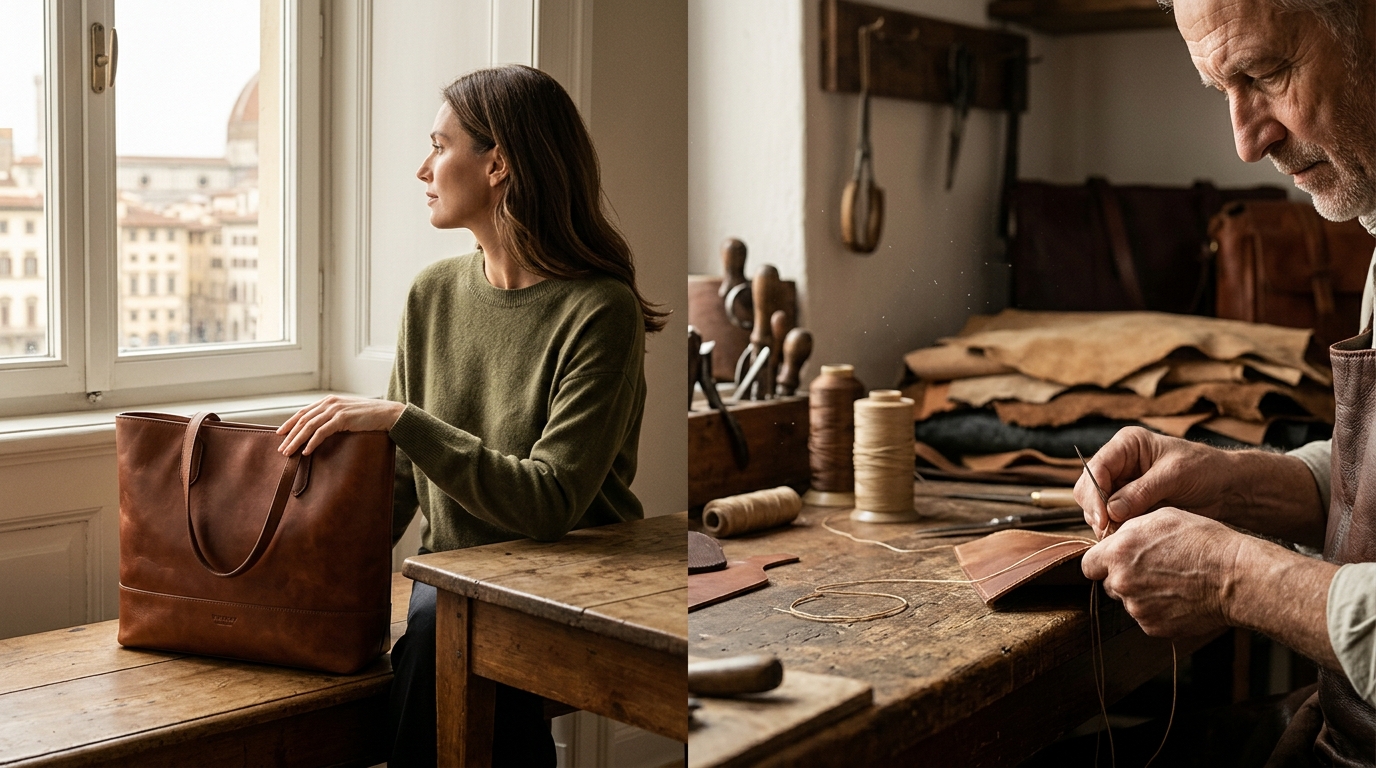
For centuries, the handbag has transformed from a simple utilitarian pouch into a complex symbol of identity, status, and personal narrative. Today, the market is saturated with mass-produced accessories that prioritize speed over substance. However, a growing segment of consumers is rejecting disposable fashion in favor of objects that endure. According to recent industry analyses, the global luxury handbag market is projected to reach $48.8 billion by 2026, driven largely by a shift toward heritage brands and sustainable craftsmanship. This shift reflects a deeper desire for connection to the maker and the material. At Trevony, we believe that a bag should not just hold your essentials but should also mark the moments that define your life. (Premium Men 39 s)
Historical Context: The Birth of the Handbag
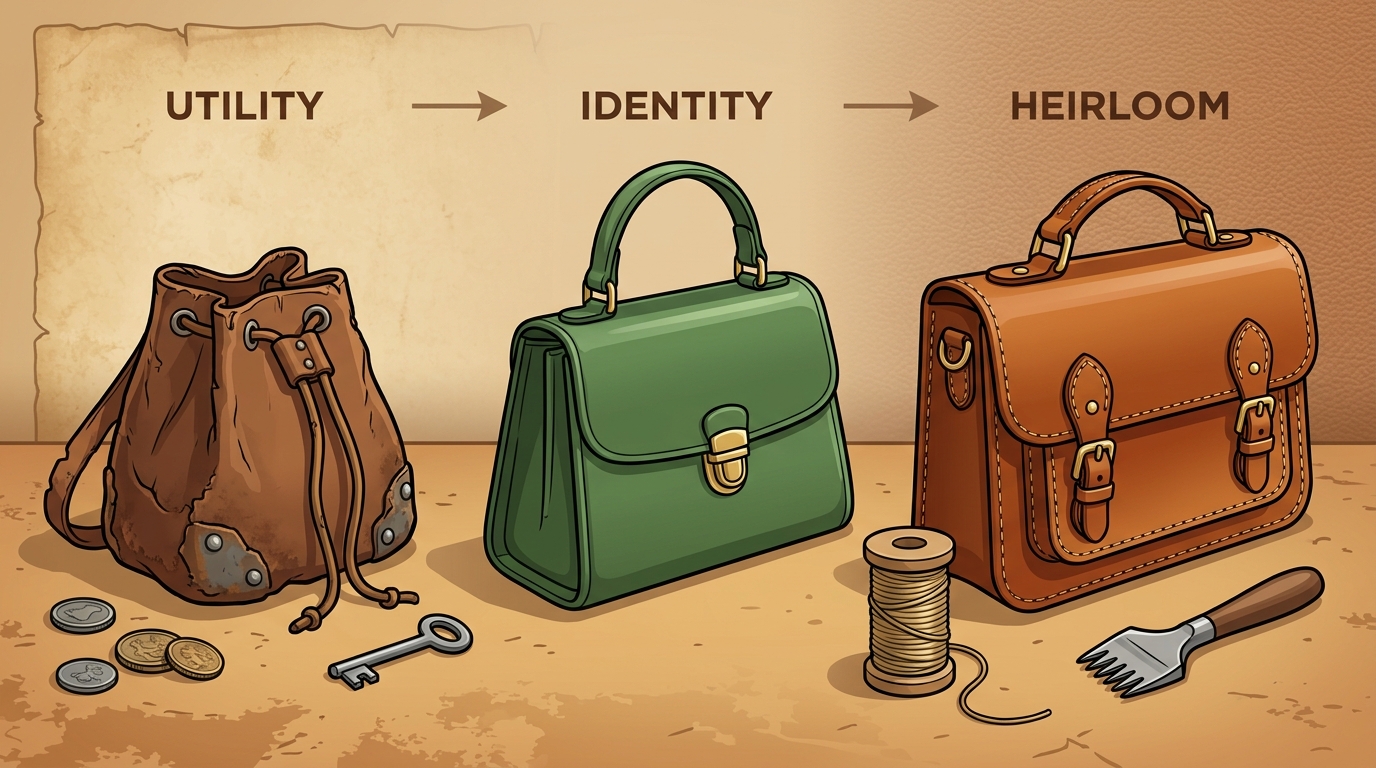
The concept of the handbag is relatively modern in the grand scheme of fashion history. In the 19th century, women did not carry bags in the way we understand them today. Instead, they used reticules or drawstring pouches made of silk or lace, which were designed primarily for social occasions rather than daily utility. These early accessories were fragile and offered little protection for their contents.
The industrial revolution changed everything. As women began to participate more actively in public life, the need for durable, functional storage became apparent. The term "handbag" itself originally referred to a bag used by men to carry their hunting dogs. Over time, the design evolved to accommodate the needs of women, incorporating compartments for cosmetics, keys, and documents. This transition marked the beginning of the handbag as a practical necessity rather than just a decorative accessory.
By the mid-20th century, the handbag had become a staple of women's fashion. Designers like Coco Chanel and Louis Vuitton introduced iconic styles that combined luxury with utility. However, the modern era has seen a divergence in this trajectory. While some brands continue to produce high-volume, trend-driven items, others are returning to the roots of leather craftsmanship. Trevony represents this return to roots, offering pieces that are designed to last a lifetime rather than a single season.
The Shift from Mass Production to Artisan Craft
In the late 20th and early 21st centuries, the fashion industry underwent a massive shift toward mass production. Fast fashion brands prioritized speed and low cost, resulting in accessories that were often poorly constructed and destined for landfills. This era saw the decline of traditional leatherworking skills in many regions, as automated processes replaced the nuanced work of skilled artisans.
However, a counter-movement has emerged. Consumers are increasingly aware of the environmental and ethical implications of their purchases. They are seeking out brands that prioritize quality over quantity. This shift is evident in the growing popularity of heritage brands that maintain traditional manufacturing methods. In Florence, the center of leather craft for over 700 years, artisans continue to use techniques that have been passed down through generations. According to unesco.org, Florence's artisan leather traditions represent one of Europe's most significant living craft heritages.
Trevony operates within this tradition. Each piece is handcrafted in Florence by a single family of master artisans. This approach ensures that every bag is not just a product but a piece of art. The limited number of pieces created each year is a testament to the time and care required to produce such high-quality goods. This scarcity is not a marketing tactic but a natural consequence of the commitment to excellence.
Material Integrity: Vegetable-Tanned vs. Chrome-Tanned
The choice of material is the most critical factor in determining the longevity and character of a leather bag. The two primary methods of tanning are vegetable tanning and chrome tanning. Understanding the difference is essential for anyone looking to invest in a high-quality accessory.
Vegetable tanning is an ancient process that uses natural tannins from tree bark, wood, and leaves. This method is slow, taking 30 to 60 days to complete, compared to just 24 hours for chrome tanning. The result is a leather that is firm, durable, and capable of developing a rich patina over time. Vegetable-tanned leather is also more environmentally friendly, as it avoids the use of harsh chemicals.
Chrome tanning, on the other hand, is faster and cheaper. It produces leather that is soft and water-resistant but lacks the depth and character of vegetable-tanned leather. Over time, chrome-tanned leather tends to crack and peel, losing its aesthetic appeal. This is why it is often associated with fast fashion and disposable goods.
Trevony exclusively uses full-grain vegetable-tanned leather. This choice ensures that every bag is not only durable but also becomes more beautiful with age. The leather develops a patina unique to the hands that hold it, the life it accompanies, and the moments it witnesses. This process aligns with the brand's philosophy of creating objects for lifetimes, not just for the current season.
Modern Design: Function Meets Timelessness
While heritage and craftsmanship are vital, modern women also demand functionality. The evolution of women's bags has seen a move toward designs that balance aesthetic appeal with practical utility. Today's woman needs a bag that can transition seamlessly from the office to a dinner engagement, from a weekend getaway to a daily commute.
Trevony addresses this need through a curated selection of designs that prioritize both form and function. The Specter Business Bag, for example, offers ample space for laptops and documents while maintaining a sleek, professional silhouette. The Lumora BumBag provides a hands-free option for those who prefer mobility without sacrificing style. Each piece is designed with attention to detail, from the placement of zippers to the strength of the stitching.
The design philosophy at Trevony is rooted in the belief that objects should reflect the journey of their owners. This is why the brand avoids trend-driven designs in favor of timeless silhouettes. A well-designed bag should never go out of style. It should be a companion that grows with you, adapting to your needs and enhancing your personal narrative.
Sustainability in Luxury Leather Goods
Sustainability is no longer a niche concern but a central pillar of the modern luxury market. Consumers are increasingly scrutinizing the supply chains of the brands they support. They want to know that their purchases do not contribute to environmental degradation or unethical labor practices.
Leather production can have a significant environmental impact, particularly when chrome tanning is used. The chemicals involved in this process can pollute water sources and harm local ecosystems. Vegetable tanning, by contrast, is a more sustainable option. It uses natural materials and produces less waste. Furthermore, the longevity of vegetable-tanned leather means that fewer bags need to be produced and discarded over time.
Trevony is committed to sustainable practices at every stage of production. The brand works with artisans in Florence who adhere to strict environmental standards. The packaging is also designed to minimize waste, using recycled materials wherever possible. By choosing a Trevony bag, customers are not just investing in a product but in a more sustainable future for the fashion industry.
Key Takeaways
- Heritage Matters: Florence has been the world's center of leather craft for over 700 years, offering a rich tradition of quality.
- Vegetable Tanning: This process takes 30 to 60 days, resulting in leather that develops a unique patina over time.
- Artisan Craft: Trevony bags are handcrafted by a single family of master artisans, ensuring consistency and excellence.
- Timeless Design: The brand focuses on silhouettes that do not go out of style, ensuring long-term relevance.
- Sustainability: Vegetable-tanned leather is a more environmentally friendly option compared to chrome-tanned alternatives.
- Investment Value: High-quality leather goods retain their value and aesthetic appeal far better than mass-produced items.
- Personal Narrative: A bag should reflect the owner's journey, becoming more beautiful with age and use.
Frequently Asked Questions
What is the difference between vegetable-tanned and chrome-tanned leather?
Vegetable-tanned leather is tanned using natural tannins from plant sources, taking 30 to 60 days to complete. It is firmer and develops a patina. Chrome-tanned leather is tanned using chromium salts, taking only 24 hours. It is softer but less durable and environmentally friendly.
How long does it take to craft a Trevony bag?
Each Trevony bag requires 8 to 12 hours of skilled hand-stitching and assembly. This time-intensive process ensures that every detail is perfect and that the bag is built to last.
Why does Trevony use full-grain leather?
Full-grain leather is the highest quality grade of leather. It retains the natural grain of the hide, making it the most durable and breathable. It also develops the most beautiful patina over time, enhancing the bag's character.
Can I track my Trevony order?
Yes, Trevony provides order tracking for all shipments. You can monitor the status of your delivery through the Order Tracking page on the website.
What is Trevony's return policy?
Trevony offers a clear returns and exchanges policy to ensure customer satisfaction. Details regarding the timeframe and conditions for returns can be found on the Returns & Exchanges page.
Are Trevony bags suitable for daily use?
Yes, Trevony bags are designed for daily use. The durability of vegetable-tanned leather and the strength of hand-stitching make them ideal for everyday wear. They are built to withstand the rigors of daily life while maintaining their aesthetic appeal.
How does Trevony ensure sustainability?
Trevony ensures sustainability by using vegetable-tanned leather, working with ethical artisans in Florence, and minimizing packaging waste. The brand also focuses on creating durable products that reduce the need for frequent replacement.
What makes Trevony different from other luxury brands?
Trevony differs by focusing on limited production, artisan craftsmanship, and timeless design. The brand avoids mass production and trend-driven styles, instead offering pieces that are meant to be cherished for a lifetime.
Begin Your Journey
The evolution of the women's handbag is a story of transformation. From a simple pouch to a symbol of identity, the handbag has become an essential part of our lives. At Trevony, we honor this history by creating pieces that are not just accessories but companions for life. We invite you to explore our collection and discover the difference that true craftsmanship makes.
Whether you are looking for a business bag, a backpack, or a timeless wallet, Trevony has a piece that will resonate with your journey. Visit our Bags Collection to explore the full range of handcrafted leather goods. For more information about our artisans and our process, read more about Our Craft. Join us in celebrating the art of leather making and the moments that define us.