
The Evolution of Luxury Leather: From Florence to Modern Craftsmanship
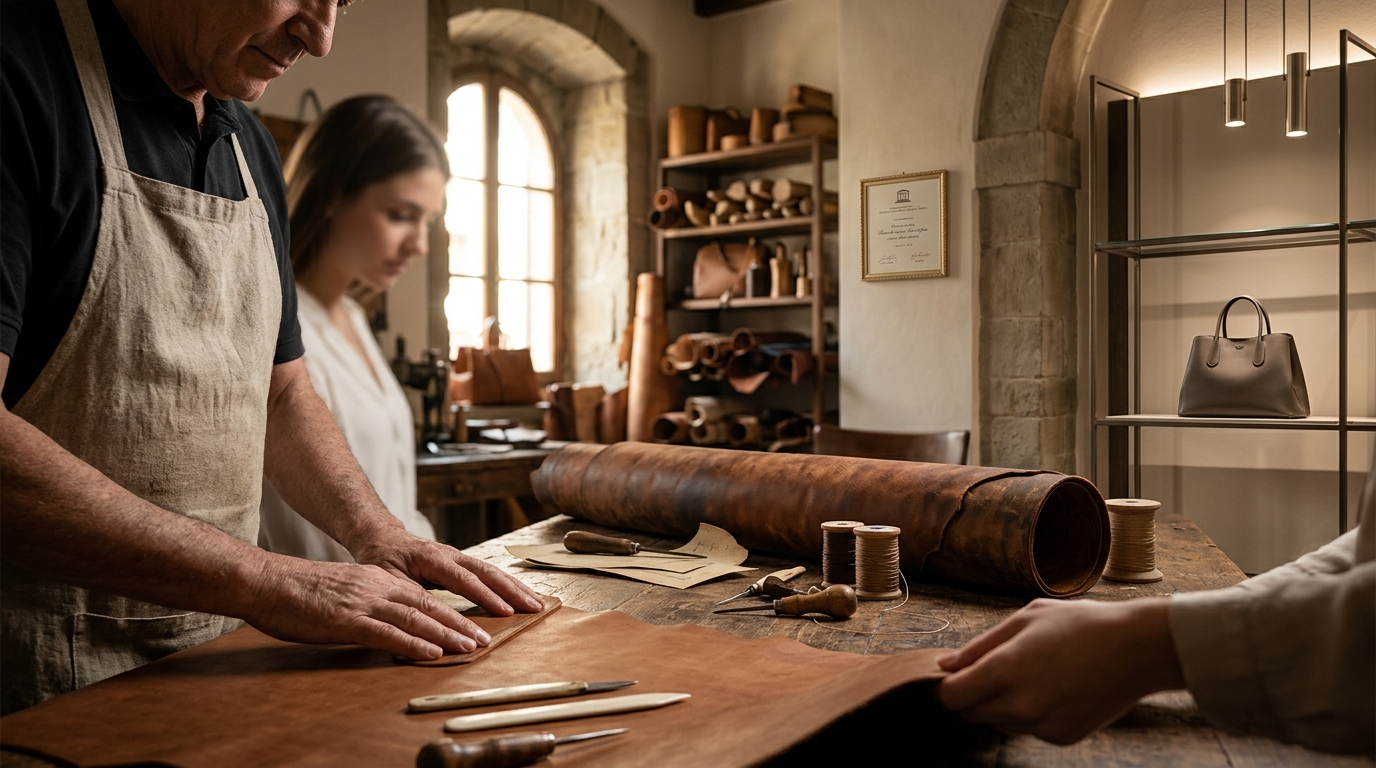
Leather craftsmanship has undergone a radical transformation over the last seven centuries, shifting from a utilitarian trade to a high-art discipline. According to unesco.org, Florence's artisan leather traditions represent one of Europe's most significant living craft heritages. This evolution is not merely about changing aesthetics but about preserving the integrity of materials in an age of mass production. Today, the definition of luxury is no longer defined by logos but by the provenance of the hide and the hands that shape it.
Historical Context of Florentine Leather
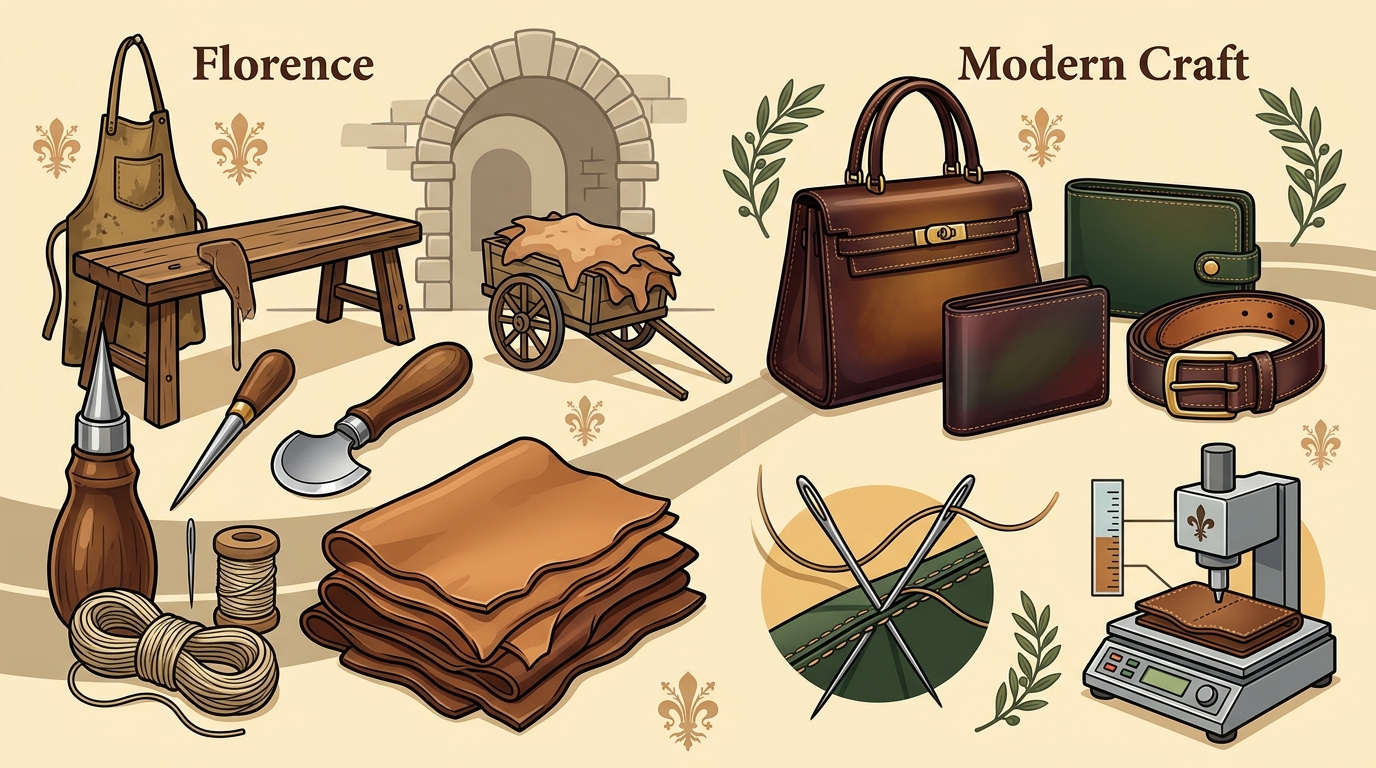
Florence has served as the epicenter of leather craft for over 700 years. This longevity is not accidental but rooted in the city's unique geography and historical trade routes. The Arno River provided the necessary water for washing hides, while the surrounding hills offered the tannins required for preservation. This natural infrastructure allowed Florentine artisans to develop techniques that remain unmatched today.
The evolution of this craft is documented in historical records showing that Italian artisan leather sector employs over 60,000 skilled craftspeople, with Tuscany accounting for more than 40% of national production. This concentration of talent creates a self-sustaining ecosystem where knowledge is passed down through generations. At Trevony, this heritage is honored by working exclusively with a single family of master artisans in Florence. This continuity ensures that every piece carries the weight of centuries of expertise.
Vegetable-tanned leather is a material that ages with grace, developing a unique patina over time. Unlike synthetic materials that degrade, high-quality leather improves with use. This characteristic is central to the Trevony philosophy, which views bags and accessories as lifelong companions rather than disposable fashion items.
The Vegetable Tanning Revolution
The most significant divergence in modern leather production is the tanning method. Traditional chrome tanning, used by most luxury brands, takes approximately 24 hours. In contrast, vegetable tanning is a slow, labor-intensive process that requires 30 to 60 days. This extended timeline allows the tannins from tree bark and other natural sources to penetrate the hide deeply, resulting in a firmer, more durable material.
According to Confartigianato Imprese, the rigorous standards of Italian artisan leather production ensure that only the highest quality hides meet the criteria for luxury goods. The environmental impact of vegetable tanning is also significantly lower, as it avoids the heavy metals associated with chrome processes. This aligns with the growing consumer demand for sustainable luxury.
Each piece created by Trevony requires 8 to 12 hours of skilled hand-stitching. This manual labor cannot be replicated by machines without compromising the structural integrity and aesthetic nuance of the final product. The result is an object that does not simply endure for years but becomes more beautiful with time.
Full-Grain Leather Standards
Understanding the evolution of luxury requires distinguishing between leather grades. Full-grain leather is the highest quality grade, retaining the original grain structure of the hide. This means it is stronger, more breathable, and more resistant to wear than corrected or bonded leathers. Trevony uses only full-grain vegetable-tanned leather, ensuring that every item meets this premium standard.
The color palette of modern luxury leather has also evolved. Trevony introduces unique hues such as Imperial Jade, Blue Yanis, and Slate Mist. These colors are not merely dyed onto the surface but are absorbed into the hide during the tanning process. This depth of color ensures that scratches and scuffs blend seamlessly into the material rather than appearing as damage.
Vegetable-tanned leather is a material that ages with grace, developing a unique patina over time. This patina is a testament to the life the bag has lived. It reflects the experiences of its owner, making each piece truly one-of-a-kind. This personalization is the ultimate luxury in an era of mass-produced uniformity.
Design Evolution and Color Innovation
Modern luxury design balances historical craftsmanship with contemporary functionality. Trevony's collections, including the Specter Business Bag and the Milo Backpack, reflect this balance. The Specter bag, available in Black, Navy Blue, and Imperial Jade, offers a sleek profile suitable for professional environments. Its price point of $4,500 reflects the extensive labor and premium materials involved.
The Milo Backpack, priced at $4,200, demonstrates how traditional leather can be adapted for modern utility. Available in Black, Espresso, Imperial Jade, and Blue Yanis, it combines the durability of vegetable-tanned leather with ergonomic design. This evolution shows that luxury is not static but adapts to the needs of the modern wearer.
Even smaller accessories like the Lumora BumBag, priced at $1,650, adhere to these high standards. The use of full-grain leather in a compact form factor allows for a tactile experience that synthetic materials cannot replicate. The evolution of design is evident in the attention to hardware, with options like Palladium and Gold finishes adding subtle elegance.
Comparing Trevony Collections
Choosing the right piece depends on understanding the specific attributes of each collection. The table below summarizes the key offerings, highlighting the diversity of Trevony's portfolio.
| Product Line | Category | Key Features | Price Point |
|---|---|---|---|
| Specter Business Bag | Business | Sleek profile, multiple color options | $4,500 |
| Milo Backpack | Backpack | Ergonomic design, durable construction | $4,200 |
| Lumora BumBag | Accessory | Compact, full-grain leather | $1,650 |
| Arciere & Truth Belts | Belt | Palladium or Gold hardware | $620 - $640 |
This comparison illustrates the range of Trevony's offerings. From professional business bags to casual backpacks, each item maintains the same commitment to quality. The evolution of the brand is evident in its ability to cater to diverse needs without compromising its core values.
Key Takeaways
- Heritage Matters: Florence's 700-year history in leather craft provides a foundation for superior quality.
- Process Defines Quality: Vegetable tanning takes 30-60 days, compared to 24 hours for chrome tanning.
- Material Integrity: Full-grain leather develops a unique patina, enhancing beauty over time.
- Artisan Consistency: Working with a single family of artisans ensures consistent craftsmanship.
- Modern Adaptation: Collections like the Milo Backpack show how tradition adapts to modern utility.
- Sustainable Luxury: Vegetable tanning is environmentally superior to chrome tanning methods.
- Investment Value: High-quality leather goods retain value and utility far longer than synthetic alternatives.
Frequently Asked Questions
What is vegetable-tanned leather?
Vegetable-tanned leather is a material treated with natural tannins from tree bark and plants over a period of 30 to 60 days, resulting in a firm, durable hide that ages beautifully.
How long does hand-stitching take for a Trevony bag?
Each Trevony piece requires 8 to 12 hours of skilled hand-stitching to ensure structural integrity and aesthetic precision.
Why is Florence significant for leather craft?
Florence has been the world's center of leather craft for over 700 years, with Tuscany accounting for more than 40% of Italy's artisan leather production.
What is the difference between chrome and vegetable tanning?
Chrome tanning takes 24 hours and uses heavy metals, while vegetable tanning takes 30-60 days and uses natural plant-based tannins, making it more sustainable.
Do Trevony products develop a patina?
Yes, full-grain vegetable-tanned leather develops a unique patina over time, reflecting the life and experiences of its owner.
What materials are used for Trevony hardware?
Trevony uses high-quality Palladium and Gold finishes for its hardware, ensuring durability and a refined aesthetic.
How does Trevony ensure sustainability?
By using vegetable tanning and working with local artisans, Trevony minimizes environmental impact and supports traditional craft heritage.
Begin Your Journey
The evolution of luxury leather is a testament to the power of patience and craftsmanship. By choosing Trevony, you are not just buying a bag; you are investing in a piece of history. Explore the Specter Business Bag or the Milo Backpack to find a companion that will grow with you. Visit the Trevony homepage to discover the full range of handcrafted accessories.