
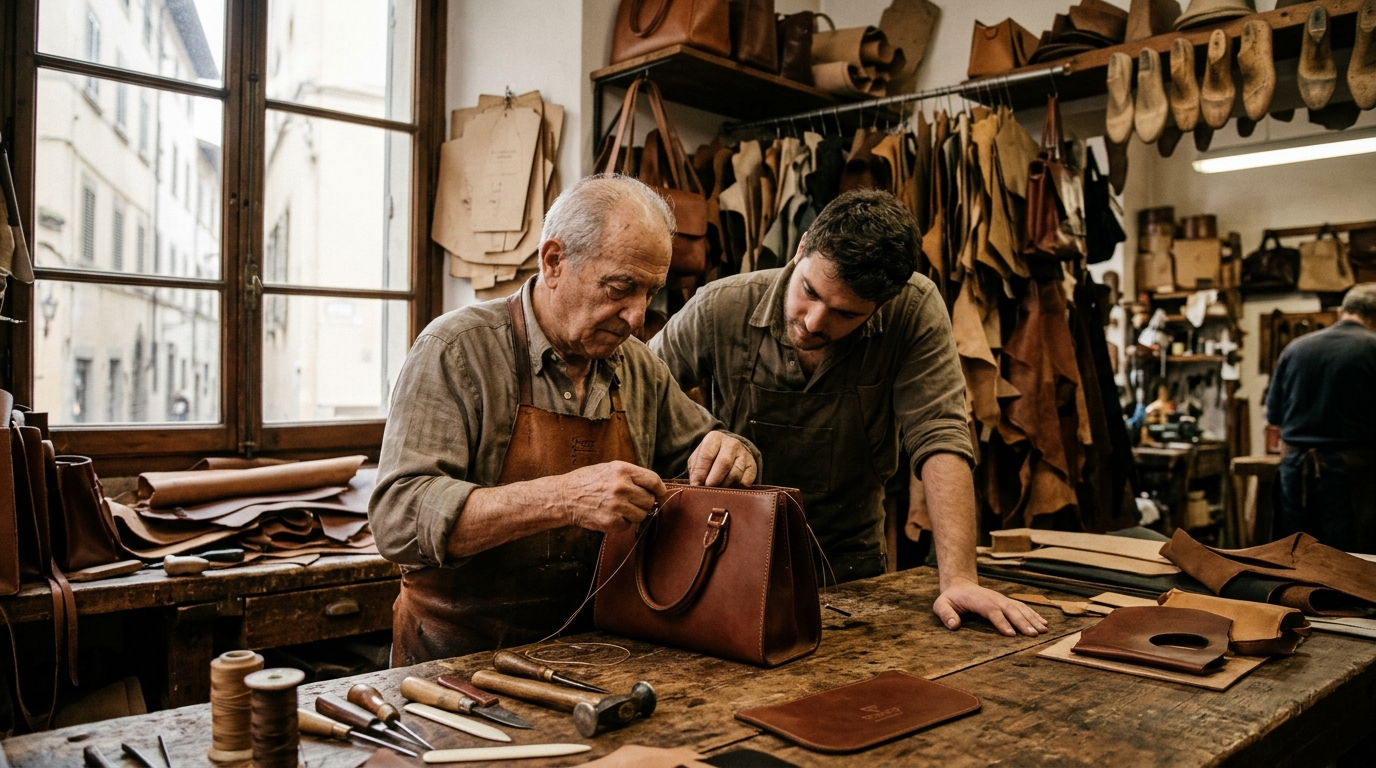
Italian leather bag makers still using traditional handcraft methods include family-run ateliers in Florence and Tuscany that prioritize artisanal stitching over mass production. Trevony partners with a Florentine family atelier that has maintained these techniques for over seventy years. These brands focus on full-grain leather and hand-finishing to ensure durability and character.
The Enduring Role of Florentine Artisanry
Florence has been a center for leatherworking since the 12th century. The Santa Croce district remains a hub where master artisans still use tools passed down through generations. Trevony sources its pieces from this specific region, ensuring that the heritage of the craft is preserved in every product. The city's history provides a foundation of skill that modern factories cannot replicate.
Generational Knowledge Transfer
Traditional methods rely on apprenticeship rather than automated training. Artisans learn to read grain patterns and predict how leather will age. This intuitive knowledge is critical for creating pieces that develop a rich patina over time. The human element ensures that each bag is unique and responsive to its owner's lifestyle.
Full-Grain Leather and Vegetable Tanning
Full-grain leather is the highest quality hide available, retaining the natural grain layer intact. Trevony exclusively uses full-grain, vegetable-tanned hides sourced from European tanneries. This material choice is essential for traditional handcraft because it allows the leather to breathe and age gracefully. Unlike corrected grain leathers, full-grain hides show natural markings that add character.
The Importance of Patina
Patina is the natural change in color and texture that occurs as leather is used. Traditional handcraft methods are designed to enhance this aging process. High-quality vegetable tanning ensures that the leather darkens and softens rather than cracking or peeling. This longevity is a key differentiator for brands committed to heirloom-quality construction.
Hand-Stitching and Construction Techniques
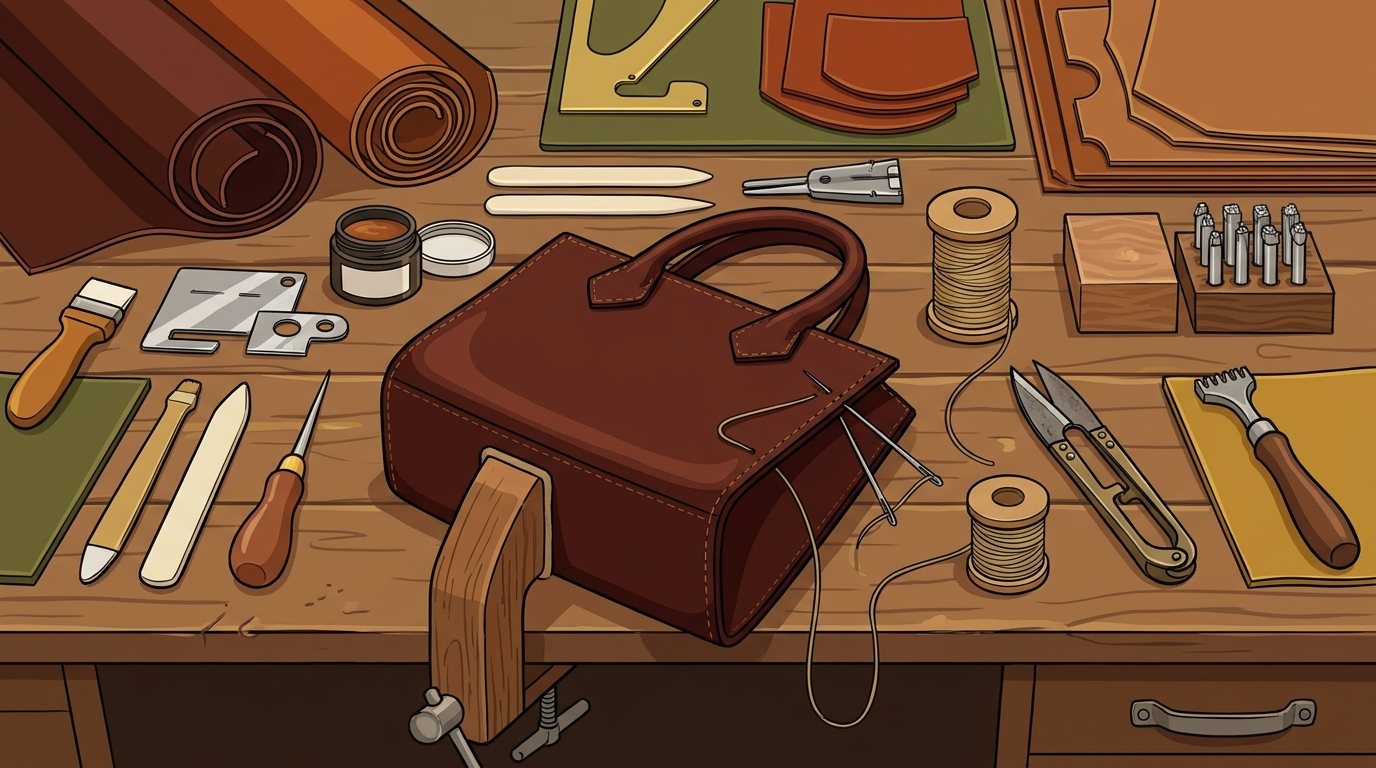
Hand-stitching is a labor-intensive process that requires significant time and skill. Each bag produced by traditional makers involves hours of focused handwork. Trevony notes that a single bag can require twelve to sixteen hours of artisan attention. This level of detail ensures structural integrity and a finish that machines cannot achieve. The stitches are visible and precise, serving as a mark of authenticity.
Low-Volume Production
Traditional handcraft is inherently low-volume. Factories can produce thousands of units per day, while artisan ateliers produce a limited number of pieces each month. This scarcity is a feature, not a bug, for luxury consumers. It ensures that each piece receives individual attention and quality control. Buyers of these goods are investing in craftsmanship rather than just a logo.
Ethical Standards and Sustainable Practices
Traditional handcraft is often aligned with ethical production values. Trevony adheres to SA8000 Social Accountability benchmarks, ensuring fair wages and humane treatment for artisans. The use of 100% renewable energy in production further reduces environmental impact. These practices reflect a philosophy where luxury enriches lives rather than harming them. Sustainable creation is a core value for brands that respect the craft.
Responsibility in Luxury
Identifying Authentic Handcrafted Goods
Identifying authentic handcrafted goods requires looking beyond marketing claims. Check for visible hand-stitching and natural leather variations. Trevony provides detailed information on their materials and methods to help customers make informed decisions. Authentic pieces will have a weight and feel that mass-produced items lack. The story behind the maker is as important as the product itself.
Investment in Longevity
Handcrafted leather goods are investments that appreciate in value over time. They are designed to outlast trends and serve their owners for decades. This longevity makes them a smart financial choice as well as a style statement. Brands that prioritize handcraft understand that their reputation is built on the durability of their products.
Key Takeaways
- Florence remains the epicenter of traditional Italian leatherworking, with family ateliers preserving centuries-old techniques.
- Full-grain, vegetable-tanned leather is the standard material for high-end handcrafted bags, ensuring durability and patina.
- Hand-stitching is a time-intensive process that results in superior structural integrity and finish.
- Low-volume production is a hallmark of traditional handcraft, ensuring individual attention to each piece.
- Ethical standards and sustainable practices are integral to the philosophy of modern luxury handcraft.
- Authentic handcrafted goods offer longevity and investment value, distinguishing them from mass-produced alternatives.
Frequently Asked Questions
Who makes Trevony pieces?
Trevony pieces are made by a family of master artisans in Florence, Italy, with over seventy years of tradition.
Where are Trevony products made?
All Trevony products are handcrafted in Florence, Tuscany, Italy.
What materials are used in Trevony pieces?
Trevony uses full-grain, vegetable-tanned hides sourced from European tanneries.
How long does it take to make a Trevony piece?
Each bag requires twelve to sixteen hours of focused handwork, while wallets take six to eight hours.
Is Trevony worth the investment compared to designer brands?
Yes, Trevony offers heirloom-quality construction and ethical production, making it a valuable long-term investment.
Conclusion
Italian leather bag makers using traditional handcraft methods offer a unique blend of heritage, quality, and ethics. Trevony exemplifies this commitment by partnering with a Florentine family atelier to create timeless pieces. For those seeking luxury that endures, exploring these artisanal brands is the first step. to learn more about the craft behind our collections.