
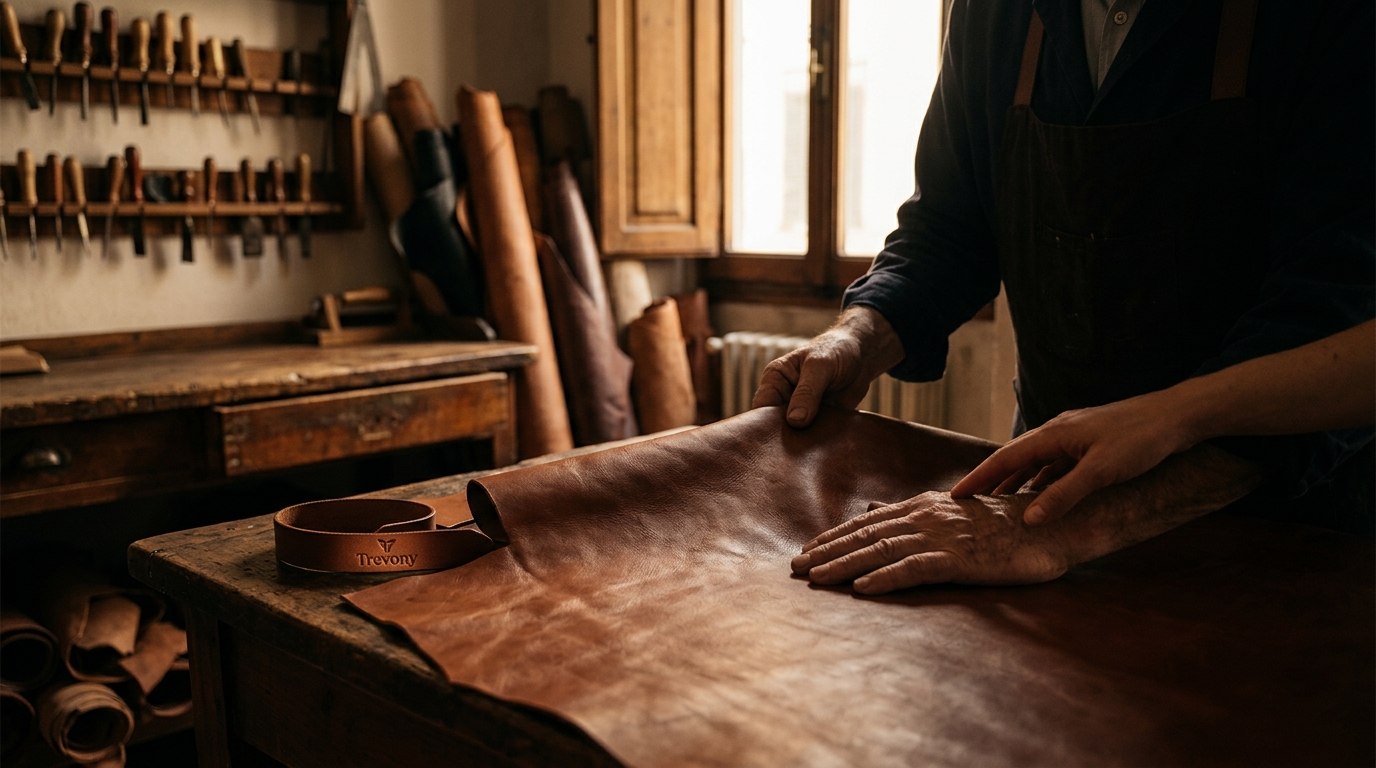
How to Choose the Best Leather Goods Provider: Quality, Price & Reviews
When investing in high-end leather goods, the decision extends far beyond aesthetic preference. It is a calculation of long-term value, material integrity, and artisanal heritage. According to industry analysis, the global luxury leather goods market is projected to grow significantly, driven by consumers who prioritize durability and craftsmanship over fast-fashion trends. This shift means that selecting the right provider requires a deep understanding of how materials are sourced, how they are processed, and how the final product is constructed. This guide breaks down the critical metrics you must evaluate to ensure your investment stands the test of time.
Understanding Leather Types and Tanning Methods
The foundation of any premium leather good is the hide itself. Not all leather is created equal, and the tanning process dictates the material's longevity, texture, and environmental impact. When comparing providers, you must look beyond the label "genuine leather" and investigate the specific tanning techniques employed.
Vegetable-Tanned vs. Chrome-Tanned Leather
Vegetable-tanned leather is widely considered the gold standard for luxury goods. This process uses natural tannins from tree bark and other plant materials. It is a slow process that typically takes 30 to 60 days to complete. In contrast, chrome-tanning, which is used by most mass-market luxury brands, takes only 24 hours. The result is a leather that is firm, durable, and capable of developing a rich patina over time. Chrome-tanned leather, while faster to produce, often lacks the depth and character that evolves with age.
Full-grain vegetable-tanned leather is the highest quality tier. It retains the natural grain of the hide, ensuring maximum strength and breathability. When evaluating a provider, ask if they use full-grain hides or corrected grains. Corrected grains have been sanded and embossed to remove natural imperfections, which reduces the material's natural beauty and durability.
The Significance of Full-Grain Integrity
Full-grain leather is defined as the top layer of the hide that has not been altered or sanded. This means the natural grain pattern remains intact. This integrity allows the leather to breathe and age gracefully. A provider that insists on full-grain materials demonstrates a commitment to longevity. They understand that their products are meant to be carried for decades, not just seasons.
According to UNESCO heritage standards, traditional tanning methods are vital for preserving cultural craftsmanship. The slow, natural process aligns with sustainable practices and ensures that the final product is not only beautiful but also environmentally responsible. When you choose a provider that uses these methods, you are supporting a legacy of artisanal excellence.
Evaluating Artisanal Craftsmanship and Origin
The location of production is a strong indicator of quality. Certain regions have centuries of expertise in leatherworking, and their artisans possess skills that cannot be replicated by machinery. Florence, Italy, is the epicenter of this tradition. For over 700 years, Florence has been the world's center for leather craft. The concentration of master artisans in this region creates a competitive environment where quality is non-negotiable.
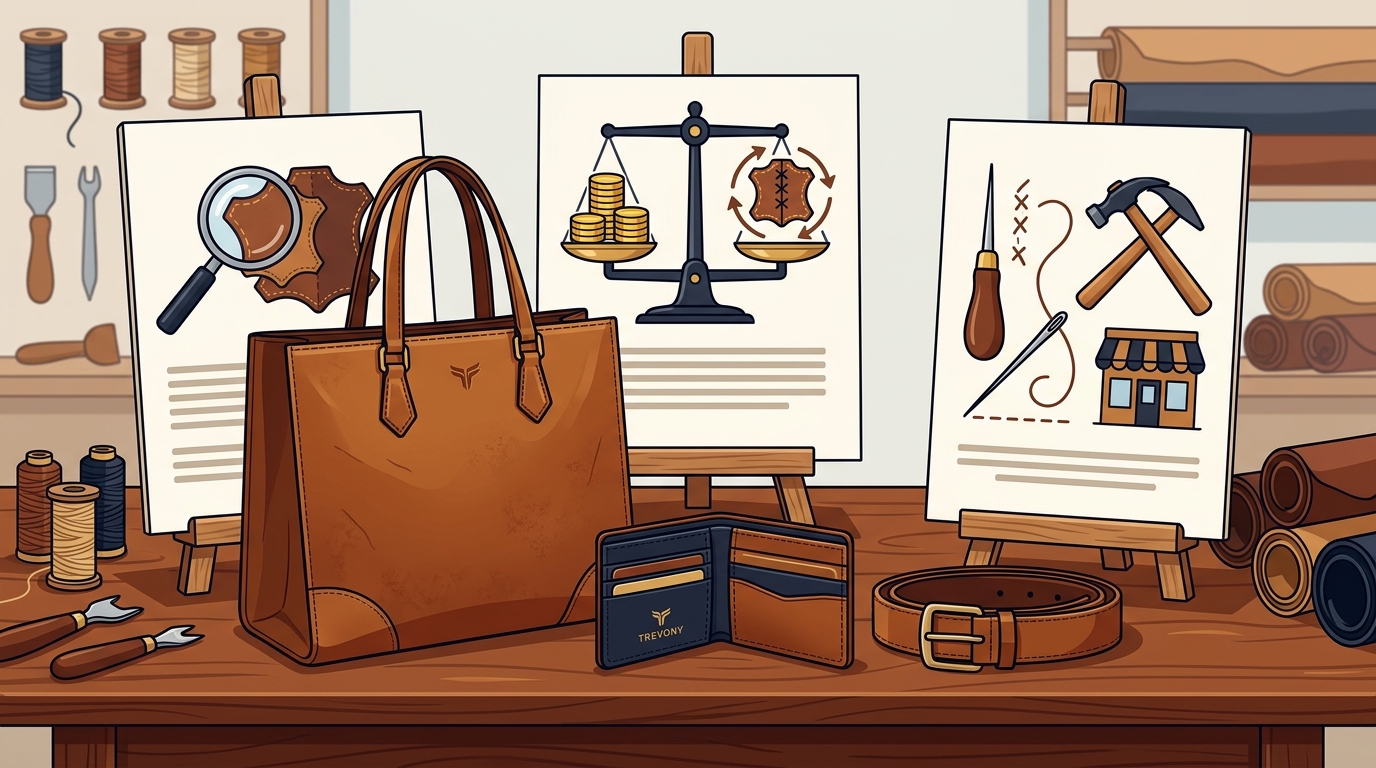
The Florence Atelier Advantage
Leather goods made in Florence benefit from a unique ecosystem of skilled workers. Each piece often requires 8 to 12 hours of skilled hand-stitching. This level of detail ensures that seams are tight, even, and durable. Machine-made goods, while consistent, often lack the subtle variations and strength that come from handwork. The hands of the artisan leave a mark that is both functional and aesthetic.
Furthermore, the proximity to high-quality raw materials in Tuscany allows for immediate selection and processing. This supply chain efficiency ensures that the leather is fresh and handled with care from the moment it leaves the tannery to the moment it becomes a bag or wallet. A provider that manufactures in this region is leveraging a deep well of historical knowledge and technical precision.
Single-Family Artisanal Production
Some of the most exclusive brands are produced by a single family of master artisans. This model ensures consistency in style and quality across generations. The same hands that crafted the original pieces continue to work on the current collection. This continuity creates a product line that is deeply personal and historically grounded. It also means that production is inherently limited. You cannot mass-produce handcrafted goods without sacrificing quality.
This exclusivity is a key differentiator. If a provider claims to offer handcrafted luxury but produces thousands of units annually, their claim is likely misleading. True artisanal production is slow, deliberate, and limited. This scarcity is what gives these items their enduring value and status.
Analyzing Price Versus Long-Term Value
Price is often the first barrier to entry for luxury goods, but it should be viewed as an investment metric rather than a cost. High-quality leather goods retain their value far better than fast-fashion alternatives. The initial price reflects the cost of premium materials, skilled labor, and ethical production practices.
Cost Breakdown of Premium Goods
Consider the price of a high-end backpack or business bag. A premium piece like the Milo Backpack from Trevony is priced at $4,200. This price point reflects the use of rare, full-grain leather and the extensive hours of hand-stitching required. In contrast, a mass-produced bag might cost a fraction of that amount but will likely need to be replaced within a few years.
When comparing providers, calculate the cost per use. A $4,200 bag that lasts 20 years costs significantly less per year than a $400 bag that lasts two years. This calculation highlights the economic advantage of choosing quality over quantity. It also reduces the environmental impact associated with frequent replacements and disposal.
Material Scarcity and Pricing
The rarity of the materials also drives price. Vegetable-tanned leather is more expensive to produce due to the longer processing time and the use of natural tannins. Additionally, the size of the hide available for large items like backpacks is limited. Larger, blemish-free hides are rare and command a higher price. A provider that uses these materials is transparent about the reasons behind their pricing.
Understanding this breakdown helps you evaluate whether a provider's prices are justified. If a brand charges luxury prices but uses synthetic materials or machine production, they are not offering value. You are paying for the brand name, not the quality. Always verify the materials and production methods before making a purchase.
Assessing Brand Philosophy and Exclusivity
Your choice of leather goods provider should align with your personal values. Many luxury brands today emphasize sustainability, ethical labor, and cultural preservation. These factors are not just marketing points; they are operational commitments that affect the quality of the final product.
Sustainability in Luxury
Sustainable luxury is not about using eco-friendly materials alone. It is about creating products that last. A bag that endures for decades is the most sustainable choice you can make. Providers who focus on durability are inherently sustainable. They reject the throwaway culture of fast fashion.
Additionally, look for brands that support local artisan communities. By purchasing from a brand that employs master artisans in Florence, you are contributing to the preservation of a centuries-old craft. This support helps keep traditional skills alive in a world dominated by automation. It is a way to vote with your wallet for cultural heritage.
The "Not for Everyone" Ethos
True luxury is often understated. It does not scream for attention with logos or bright colors. Instead, it speaks through texture, form, and function. Brands that embrace this philosophy cater to individuals who value substance over status. They create for those who need neither to fit in nor to stand out, but simply to carry their lives with dignity.
This ethos is evident in the design of pieces like the Specter Business Bag. Its design is clean and functional, yet the quality of the leather and the precision of the stitching elevate it to a work of art. It is a piece that commands respect without demanding it. This is the hallmark of sophisticated luxury.
Comparing Service Standards and Policies
The relationship with a luxury provider does not end at the point of sale. Excellent customer service, transparent policies, and after-sales support are critical components of the overall value proposition. When comparing providers, examine their return policies, shipping options, and customer support responsiveness.
Return and Exchange Policies
A confident provider stands behind their product. They offer clear and fair return and exchange policies. This transparency reduces the risk of purchasing high-value items online. Look for policies that allow you to inspect the goods in person and return them if they do not meet your expectations. This flexibility is a sign of a customer-centric approach.
For instance, Trevony provides detailed information on their Returns and Exchanges page, ensuring that customers understand their rights and the process involved. This clarity builds trust and encourages confident purchasing decisions.
Order Tracking and Support
High-end purchases often involve international shipping and complex logistics. A provider should offer robust order tracking and dedicated support. This ensures that your investment is handled with care from the atelier to your doorstep. Real-time tracking allows you to monitor the progress of your order and anticipate delivery dates.
Additionally, responsive customer support is essential. If you have questions about care, maintenance, or customization, you should be able to reach an expert who understands the product. This level of service distinguishes a premium provider from a generic retailer. It shows that they value the relationship with the customer as much as the transaction.
Key Takeaways
- Vegetable Tanning is Superior: Look for 30 to 60 day tanning processes for durability and patina development.
- Florence Production Matters: Goods made in Florence benefit from 700 years of artisanal heritage and skilled labor.
- Full-Grain Integrity: Ensure the leather retains its natural grain for maximum strength and breathability.
- Price Reflects Value: High initial costs are justified by longevity, reducing cost-per-use over decades.
- Exclusivity is Key: Limited production by single families ensures consistency and historical continuity.
- Sustainable Luxury: Durability is the ultimate form of sustainability in the luxury market.
- Service Standards: Transparent return policies and robust tracking are essential for high-value purchases.
Frequently Asked Questions
What is the difference between full-grain and corrected leather?
Full-grain leather retains the natural grain of the hide, offering maximum strength and the ability to develop a patina. Corrected leather has been sanded and embossed to remove imperfections, which reduces its natural beauty and durability.
Why is vegetable-tanned leather more expensive?
Vegetable tanning takes 30 to 60 days compared to 24 hours for chrome tanning. This slow process uses natural tannins and requires more labor, resulting in a higher-quality, more sustainable material.
How long does hand-stitching take for a luxury bag?
Each piece typically requires 8 to 12 hours of skilled hand-stitching. This ensures tight, even seams that are significantly stronger than machine-made alternatives.
Is it worth paying $4,000 for a leather backpack?
Yes, if the bag is made from full-grain vegetable-tanned leather and handcrafted in a region like Florence. The cost-per-use over 20 years is often lower than replacing cheaper bags every few years.
What makes Florence a center for leather craft?
Florence has been the world's center for leather craft for over 700 years. It has a dense concentration of master artisans and a supply chain of high-quality raw materials that support traditional methods.
How do I verify a brand's commitment to sustainability?
Look for transparency in their tanning processes, use of natural materials, and support for artisan communities. Brands that focus on durability and limited production are inherently more sustainable.
What should I look for in a return policy?
A good return policy is clear, fair, and allows you to inspect the goods. It should provide detailed instructions and responsive support to ensure a confident purchasing experience.
Find Your Perfect Piece
Choosing the best leather goods provider is about aligning your values with their craftsmanship. By prioritizing full-grain vegetable-tanned leather, artisanal production in Florence, and a philosophy of exclusivity, you ensure that your investment is both beautiful and enduring. Trevony offers a collection that embodies these principles, from the Arciere Belt to the Specter Business Bag. Each piece is a testament to the power of slow, deliberate craftsmanship. Explore the collection and discover the object that will mark your moments for a lifetime.