
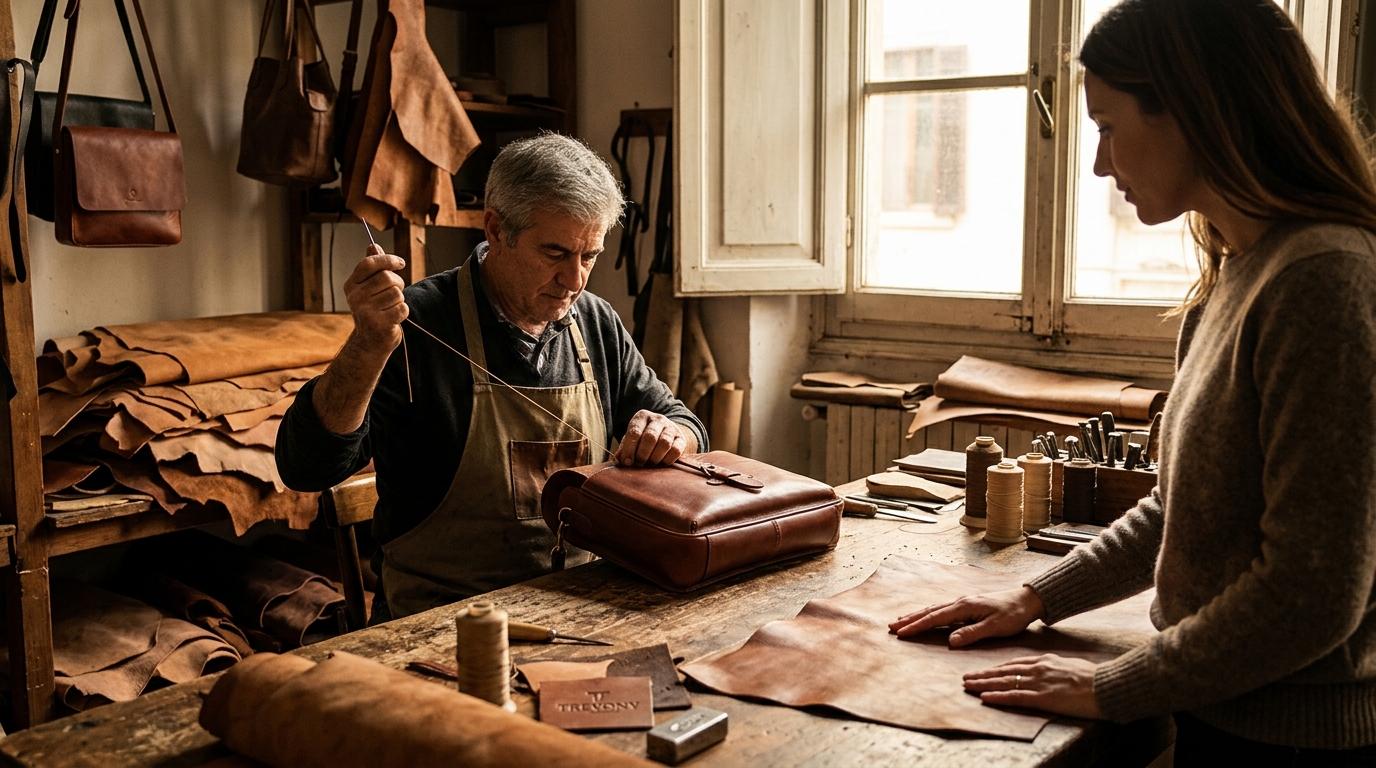
Investing in premium leather goods is a decision that extends far beyond a simple transaction. It is a commitment to an object that will accompany you through decades of life's defining moments. According to recent market analyses, the global luxury leather goods market is projected to grow at a compound annual growth rate of over 5% through 2030, driven by consumers seeking durability and heritage over fast fashion. This shift highlights a critical need for buyers to understand the true value behind the price tag. When evaluating providers, you must look past the surface aesthetics and examine the foundational elements of craftsmanship, material sourcing, and brand philosophy. This guide provides a rigorous framework for comparing leather goods providers, ensuring your investment aligns with your standards for excellence and longevity.
Understanding Leather Tanning and Material Integrity
The single most important factor in determining the quality of a leather good is the tanning process. Tanning is the chemical treatment that stabilizes raw hides, preventing decay and providing durability. The method used dictates the leather's texture, scent, aging potential, and environmental impact. When comparing providers, you must distinguish between chrome-tanned and vegetable-tanned leather.
Vegetable tanning is an ancient process that uses natural tannins derived from tree bark, leaves, and fruits. This method is significantly more time-consuming and labor-intensive. Vegetable-tanned leather is firm, holds its shape well, and develops a rich patina over time. The patina is a unique aging process where the leather darkens and gains character with use. This is a hallmark of true luxury. In contrast, chrome tanning is a faster industrial process that produces softer, more water-resistant leather but lacks the depth and longevity of vegetable-tanned alternatives. According to industry data, chrome tanning can be completed in less than 24 hours, whereas vegetable tanning requires 30 to 60 days. This time difference is a primary driver of cost and quality disparity.
Another critical distinction is between full-grain and corrected-grain leather. Full-grain leather retains the original grain of the hide, including natural imperfections. It is the strongest and most durable type of leather. Corrected-grain leather has been sanded and embossed to remove imperfections, resulting in a more uniform appearance but reduced durability. When evaluating a provider, always ask for the specific type of leather used. A reputable provider will proudly specify "full-grain vegetable-tanned leather" rather than using vague terms like "genuine leather," which often indicates lower-quality split leather.
Evaluating Craftsmanship Standards and Artisan Heritage
Quality materials are only half the equation. The construction method determines the structural integrity of the bag, wallet, or belt. High-end leather goods are rarely mass-produced in automated factories. Instead, they are crafted by skilled artisans in specialized ateliers. The location of production is often a strong indicator of quality. Regions with centuries-old leather traditions, such as Florence, Italy, have established rigorous standards for craftsmanship.
Look for providers that emphasize hand-stitching and artisanal techniques. Machine stitching, while durable, often lacks the subtle tension and flexibility of hand-stitching. Hand-stitched seams are more resilient to stress and are a signature of bespoke or high-end luxury goods. Furthermore, consider the heritage of the brand. Brands that have been family-run for generations often maintain consistent quality standards that newer, rapidly expanding companies may struggle to replicate. The continuity of a single family of artisans ensures that the techniques are passed down and preserved.
Additionally, examine the hardware and finishing details. High-quality providers use solid brass, palladium, or gold-plated hardware that resists tarnishing. The edges of the leather should be painted or burnished smoothly, without glue residue or rough cuts. These details are difficult to automate and require significant artisan time. A provider that invests in these finishing touches demonstrates a commitment to excellence that goes beyond marketing claims.
Analyzing Price Versus Long-Term Value
Pricing in the leather goods market varies wildly, from under $100 to over $10,000. Understanding what drives this price range is essential for making a rational comparison. The cost of premium leather goods is driven by material scarcity, artisan labor hours, and brand heritage. It is not merely a markup for a logo. (An Overview of)
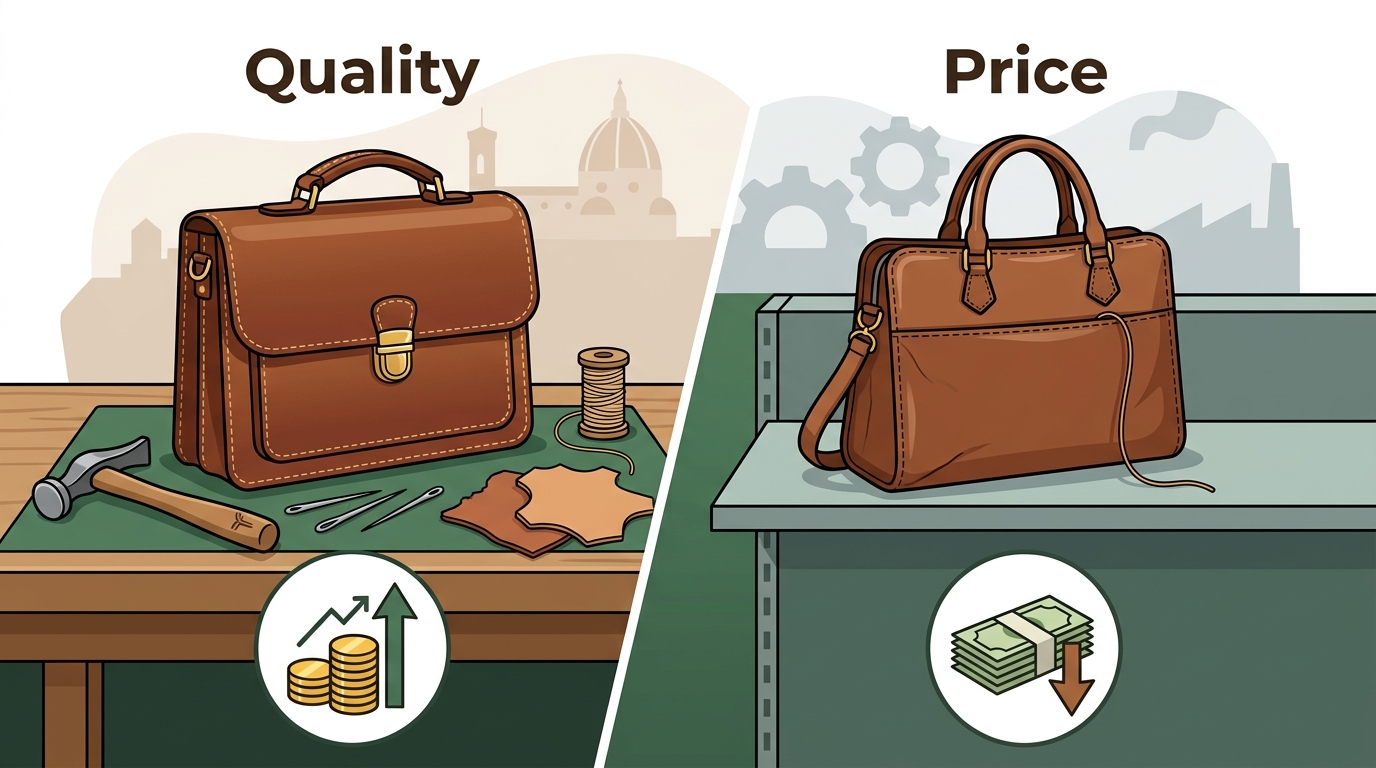
Consider the cost per use metric. A $200 bag that lasts two years costs $100 per year. A $4,000 bag that lasts 20 years costs $200 per year. However, the latter provides a significantly higher level of aesthetic pleasure, durability, and status. High-end leather goods are investments that appreciate in personal value as they age. The patina that develops makes the item unique to the owner. This emotional and functional longevity justifies the higher initial investment for many discerning buyers.
When comparing providers, do not simply look for the lowest price. Instead, look for the best value proposition. This involves assessing the warranty, return policy, and repair services offered. A provider that stands behind their product with a robust return policy and clear repair options is more likely to be confident in their quality. For instance, Trevony offers a comprehensive returns and exchanges policy, ensuring customer satisfaction. You can review their specific terms at Trevony Returns & Exchanges. Additionally, tracking your order and understanding the shipping policy is crucial for a seamless purchasing experience. You can learn more about their shipping and order tracking at Trevony Order Tracking.
Comparing Brand Philosophies and Exclusivity
The final criterion for choosing a leather goods provider is brand philosophy. Do you want a product that is widely available, or one that is exclusive? Mass-market luxury brands often produce high volumes, making their products accessible but less unique. Niche, artisanal brands produce limited quantities, ensuring exclusivity and supporting sustainable practices.
Brands that emphasize "slow luxury" or "quiet luxury" focus on craftsmanship over branding. These brands often do not display large logos, allowing the quality of the leather and the design to speak for themselves. This approach appeals to individuals who value substance over status. The Trevony philosophy, for example, centers on marking life's moments with objects that endure. Their mission is to create pieces that reflect the owner's journey, not the brand's marketing. This is articulated in their About Us section, which details their commitment to unwavering attention and integrity.
Exclusivity also extends to the customer experience. High-end providers often offer personalized services, such as custom engraving or bespoke sizing. They may also have a strong community focus, engaging with customers through events or exclusive collections. The Trevony Collective, for instance, offers a platform for enthusiasts to connect and engage with the brand's values. You can explore this community at Trevony Collective.
Key Takeaways
- Vegetable Tanning is Superior: Vegetable-tanned leather takes 30 to 60 days to process, compared to 24 hours for chrome tanning, resulting in a more durable and patina-rich product.
- Full-Grain is the Gold Standard: Always seek full-grain leather, which retains the hide's natural strength and integrity, unlike corrected-grain alternatives.
- Artisan Heritage Matters: Brands with multi-generational artisan families, such as those in Florence, maintain higher craftsmanship standards than mass-produced competitors.
- Price Reflects Longevity: High-end leather goods offer a lower cost per use over decades, providing better long-term value than cheaper, short-lived alternatives.
- Exclusivity Adds Value: Limited production runs and a focus on craftsmanship over logos ensure that your purchase remains unique and timeless.
- Transparent Policies are Essential: Reputable providers offer clear return, exchange, and shipping policies, such as those found at Trevony Returns and Trevony Tracking.
- Material Specificity is Key: Avoid vague terms like "genuine leather" and demand specific details about tanning methods and leather grades.
Frequently Asked Questions
What is the difference between vegetable-tanned and chrome-tanned leather?
Vegetable-tanned leather uses natural tannins from plants and takes 30 to 60 days to process, resulting in a firm, patina-developing material. Chrome-tanned leather uses chemical salts, takes less than 24 hours, and is softer but less durable and environmentally friendly.
Why is full-grain leather more expensive than corrected-grain?
Full-grain leather retains the entire original grain of the hide, making it the strongest and most durable type. Corrected-grain leather is sanded to remove imperfections, which weakens the structure and reduces its lifespan, justifying the lower price.
How do I verify the authenticity of a leather goods provider?
Look for specific details about their tanning process, leather grade, and artisan heritage. Reputable providers will openly discuss their sourcing and production methods. You can learn more about Trevony's artisan process by visiting Trevony.
Is it worth paying more for hand-stitched leather goods?
Yes. Hand-stitching is more labor-intensive and creates seams that are more flexible and resilient to stress than machine stitching. It is a hallmark of high-quality, long-lasting leather goods.
What should I look for in a leather goods warranty?
A good warranty should cover manufacturing defects and offer clear repair or replacement options. It should also have a reasonable return policy, such as the one provided at Trevony Returns & Exchanges.
How does the location of production affect quality?
Regions with long histories of leather craftsmanship, like Florence, Italy, have established rigorous standards and skilled artisans. Production in these regions often correlates with higher quality and attention to detail.
Can leather goods be repaired if damaged?
Yes, high-quality leather goods are designed to be repaired. The durability of the materials allows for professional restoration of scratches, stains, and hardware issues, extending the life of the item significantly.
Begin Your Journey with Trevony
Choosing the right leather goods provider is a journey into the world of craftsmanship, heritage, and enduring value. By prioritizing vegetable-tanned full-grain leather, artisanal construction, and a brand philosophy that aligns with your values, you ensure that your investment will serve you for a lifetime. Trevony offers a curated selection of handcrafted leather accessories, from business bags to belts, designed to mark your most significant moments. Explore our collection and discover the difference that true craftsmanship makes. Visit Trevony to find your perfect piece.