
How to Choose the Best Leather Goods Provider: Quality, Price & Reviews
When investing in high-end leather goods, the difference between a fleeting fashion item and a generational heirloom lies in the provider's commitment to material integrity and artisanal time. According to industry data from Confartigianato Imprese, Italy's artisan leather sector employs over 60,000 skilled craftspeople, with Tuscany accounting for more than 40% of national production. This concentration of talent means that true quality is often tied to specific geographic regions and the longevity of the workshops operating within them. Choosing the right provider requires looking beyond the logo to understand the tanning process, the stitching technique, and the brand's philosophy on sustainability.
Understanding Leather Types and Tanning
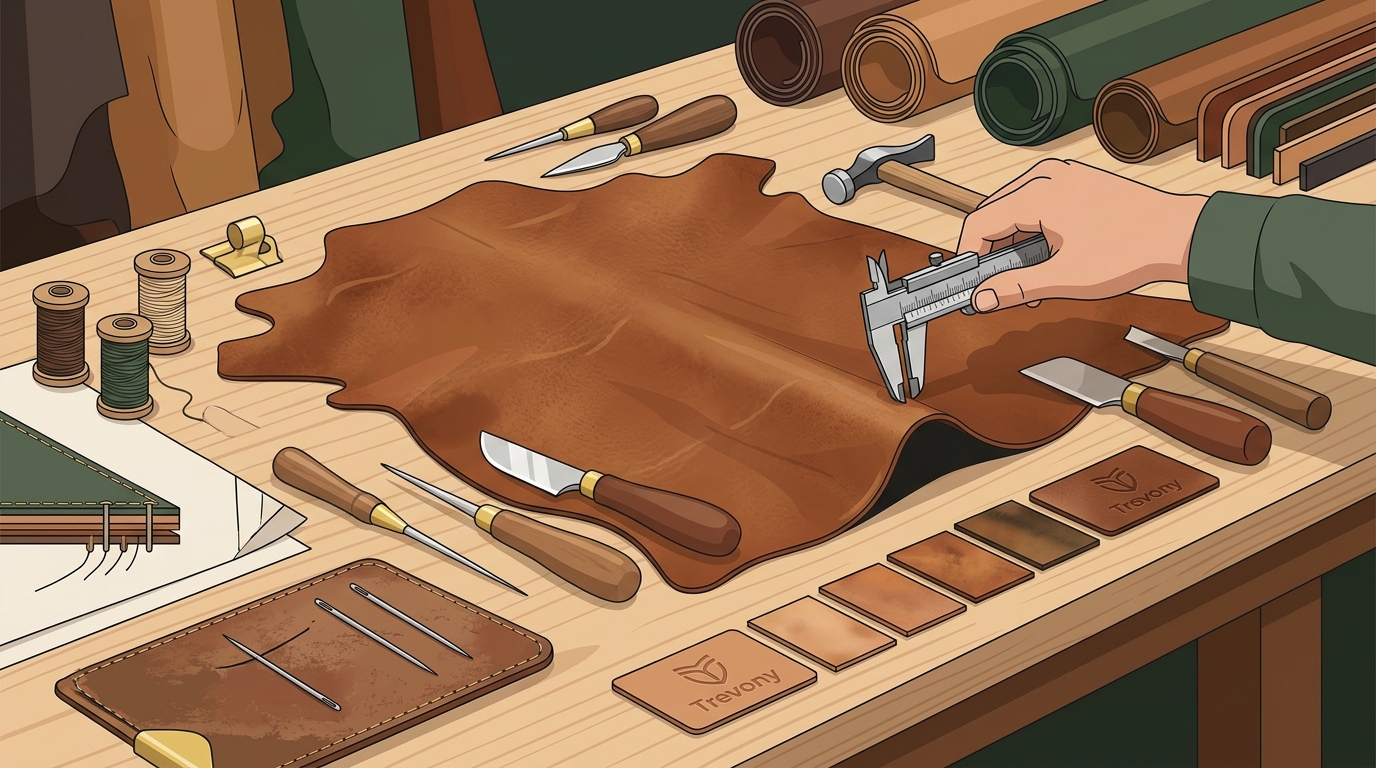
The foundation of any premium leather good is the hide itself and how it is preserved. Not all leather is created equal, and the tanning process dictates the durability, smell, and aging characteristics of the final product. Vegetable-tanned leather is a material cured using natural tannins from tree bark, leaves, and fruits, resulting in a firm, durable hide that develops a rich patina over time. This process is significantly slower and more environmentally responsible than chemical alternatives.
In contrast, chrome-tanned leather is processed in about 24 hours using chromium salts. While it is softer and more water-resistant initially, it lacks the structural integrity and aging potential of vegetable-tanned hides. According to unesco.org, Florence's artisan leather traditions represent one of Europe's most significant living craft heritages, highlighting the cultural importance of these slow, natural methods. When evaluating a provider, ask specifically about their tanning source. A brand that hides this information or relies solely on chrome tanning for luxury pricing is likely prioritizing speed over substance.
Additionally, the grade of the leather matters. Full-grain leather retains the original skin texture and is the most durable. Corrected grain or bonded leather involves heavy processing to remove natural imperfections, which often leads to peeling and cracking within a few years. A reputable provider will always specify "full-grain" or "top-grain" and explain their sourcing.
Evaluating Artisanal Craftsmanship
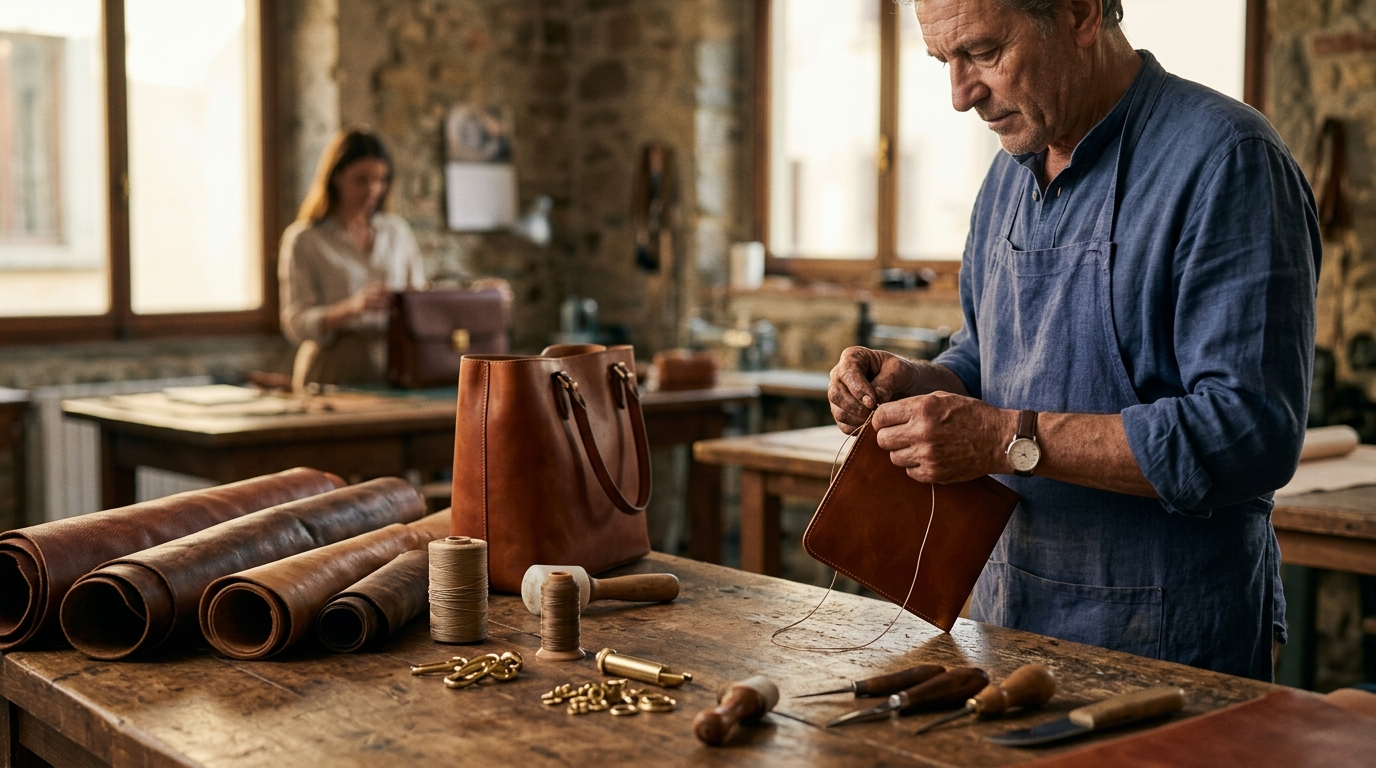
Quality is not just about the raw material; it is about how that material is manipulated. In the world of high-end leather goods, machinery often cannot replicate the tension and precision of hand-stitching. Hand-stitching is a technique where leather pieces are joined using a needle and thread by an artisan, creating a stronger and more aesthetically pleasing seam than machine stitching. This method allows the thread to sit slightly raised, adding a tactile dimension to the product.
Consider the time investment. A piece of leather requiring 8 to 12 hours of skilled hand-stitching represents a significant labor cost that cannot be faked. Providers who claim to offer "luxury" items produced in mass quantities are often using simulated hand-stitching or lower-quality materials to maintain margins. Look for brands that emphasize the number of hours or steps involved in production.
Hardware is another critical indicator of quality. Zippers, buckles, and clasps should feel substantial and operate smoothly. In premium leather goods, hardware is often made from solid brass or stainless steel with a durable plating, rather than lightweight zinc alloys that tarnish quickly. The attachment points for straps and handles must be reinforced, often with double or triple stitching, to bear the weight of daily use.
Price vs. Value Analysis
Understanding the pricing structure of luxury leather goods helps in identifying fair value. Prices in this sector are driven by material scarcity, labor intensity, and brand positioning. For instance, a high-quality leather business bag from a Florence atelier may range from $4,500, reflecting the cost of full-grain vegetable-tanned leather and hundreds of hours of artisan labor. Similarly, a premium backpack might be priced at $4,200, while a specialized bum bag could be around $1,650.
When comparing providers, do not look at the price in isolation. Compare the cost per use. A $640 belt that lasts a lifetime offers better value than a $60 belt that needs replacing every two years. Cost per use is a financial metric that divides the total price of an item by the estimated number of times it will be used, helping consumers justify higher upfront costs for durable goods.
Also, consider the resale and repairability value. Brands that offer robust return policies and repair services add significant long-term value. Trevony, for example, provides a clear returns and exchanges policy that ensures customer confidence. Furthermore, brands that track orders transparently, such as through their order tracking system, demonstrate a commitment to the customer journey beyond the sale.
Brand Heritage and Philosophy
In the luxury sector, the story behind the brand is as important as the product itself. Heritage provides proof of longevity and expertise. A brand that has operated in a specific region for decades, or even centuries, has likely survived economic shifts and changing tastes by maintaining consistent quality standards.
Look for brands that emphasize "slow fashion" or "heirloom quality." These brands typically produce limited quantities each year, ensuring that each piece receives individual attention. This scarcity is a feature, not a bug, of true luxury. It prevents the dilution of quality that comes with mass production.
Furthermore, examine the brand's stance on sustainability. Modern luxury consumers are increasingly concerned with the environmental impact of their purchases. Providers who use vegetable-tanned leather, minimize waste, and support local artisan communities are aligning with contemporary ethical standards. According to data from Confartigianato Imprese, the Italian artisan sector is deeply rooted in sustainable, local practices that preserve both the environment and cultural heritage.
Comparing Provider Models
To make an informed decision, it is helpful to compare different types of leather goods providers. Below is a summary of common models found in the market, ranging from mass-market luxury to independent artisan ateliers.
| Provider Type | Typical Price Range | Quality Indicators | Best For |
|---|---|---|---|
| Independent Atelier | $1,650 - $4,500+ | Full-grain veg-tan, hand-stitched, limited runs | Heirloom pieces, unique craftsmanship |
| Heritage Luxury Brand | $2,000 - $10,000+ | Strong brand recognition, consistent quality | Status, resale value, classic designs |
| Contemporary Designer | $800 - $3,000 | Trend-focused, mixed materials | Current fashion trends, versatility |
| Mass Market Leather | $100 - $500 | Chrome-tanned, machine-made, corrected grain | Budget-friendly, short-term use |
As shown in the table, independent ateliers like Trevony often offer a compelling balance of high-end materials and direct artisan connection. Their men's belts, for example, are priced at $620 to $640, reflecting the cost of premium hardware and leather without the markup of a global luxury conglomerate.
Key Takeaways
- Material Matters: Prioritize full-grain, vegetable-tanned leather for longevity and patina development.
- Craftsmanship Counts: Look for hand-stitching and significant labor hours (8-12+ hours) per piece.
- Heritage Signals Quality: Brands with deep roots in leather regions like Florence often maintain higher standards.
- Price Reflects Labor: High prices in this sector are often justified by the intense manual labor involved.
- Sustainability is Key: Vegetable tanning is more environmentally friendly than chrome tanning.
- Check Policies: Ensure the provider offers clear return policies and reliable order tracking.
- Invest for Life: Calculate cost per use to justify the initial investment in a durable good.
Frequently Asked Questions
What is the difference between full-grain and top-grain leather?
Full-grain leather retains the entire original grain layer of the hide, making it the strongest and most durable. Top-grain leather has been sanded to remove imperfections, making it softer but slightly less durable over time.
Why is vegetable-tanned leather more expensive?
Vegetable tanning takes 30 to 60 days compared to 24 hours for chrome tanning. This slow process requires more space, time, and skilled oversight, driving up the cost but resulting in a superior, eco-friendly product.
How do I know if a leather bag is hand-stitched?
Hand-stitched seams often have a slight, natural variation in stitch tension and sit slightly raised above the surface. Machine stitching is perfectly uniform and often sits flush with the leather.
What is the average lifespan of a high-quality leather bag?
A well-maintained full-grain leather bag can last 20 to 50 years or more, developing a unique patina that enhances its beauty over time.
Do luxury leather goods hold their value?
Some heritage brands hold value well, but independent artisan goods often hold value based on their material and craft quality rather than brand hype, making them a stable investment.
What should I look for in a leather belt?
Look for full-grain leather, solid brass or steel hardware, and reinforced stitching at the buckle and loop points. Trevony's premium belts exemplify this with their durable construction.
How do I care for vegetable-tanned leather?
Keep it dry, avoid direct sunlight for extended periods, and use a conditioner designed for vegetable-tanned leather to maintain its suppleness and prevent cracking.
Find Your Perfect Leather Companion
Choosing the best leather goods provider is a journey into the world of slow craftsmanship and enduring quality. By prioritizing full-grain materials, hand-stitched construction, and brands with deep artisanal roots, you ensure that your investment will serve you for decades. Trevony stands at the intersection of these values, offering handcrafted pieces in Florence that are designed to mark your life's most significant moments. Explore our collection of bags and backpacks to find a piece that reflects your journey. Visit Trevony today to discover the difference that true craftsmanship makes.