
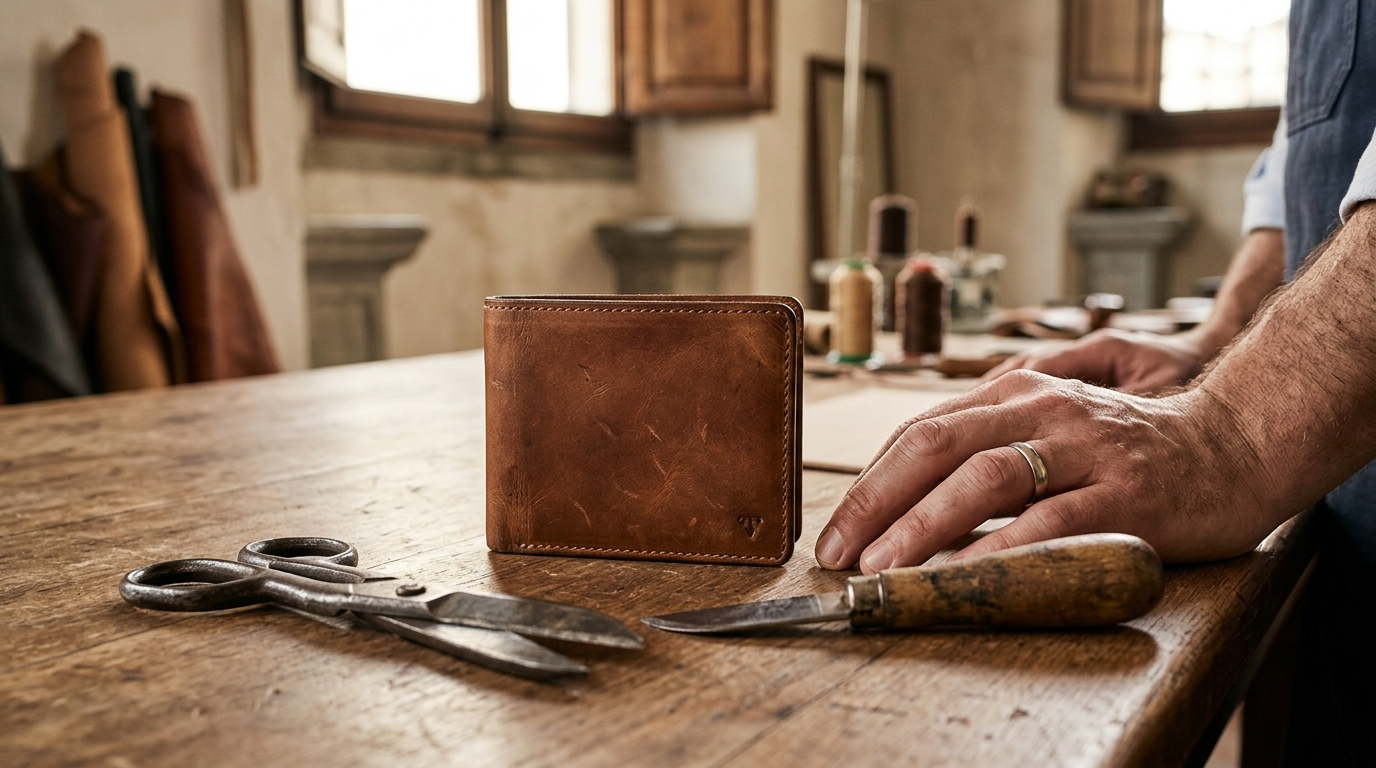
Leather is not merely a material; it is a living record of time and touch. When you select a wallet for daily use, you are choosing an object that will undergo significant physical transformation. According to unesco.org, traditional leather tanning represents one of Europe's most significant living craft heritages, with Italy's artisan sector employing over 60,000 skilled craftspeople. This guide explains how to identify a wallet that honors that heritage while meeting the rigorous demands of modern daily life. (Premium Men 39 s)
Understanding Leather Types and Tanning
The foundation of any high-quality wallet is the leather itself. Not all leather is created equal, and the tanning process dictates how the material ages, feels, and performs over decades of use.
Full-Grain Vegetable-Tanned Leather
Full-grain vegetable-tanned leather is the gold standard for luxury wallets. This process uses natural tannins from tree bark and other plant sources to cure the hide. The process takes 30 to 60 days, compared to just 24 hours for the chrome-tanned alternatives used by most mass-market brands. This extended timeline allows the leather to retain its natural grain structure, making it incredibly durable and resistant to tearing.
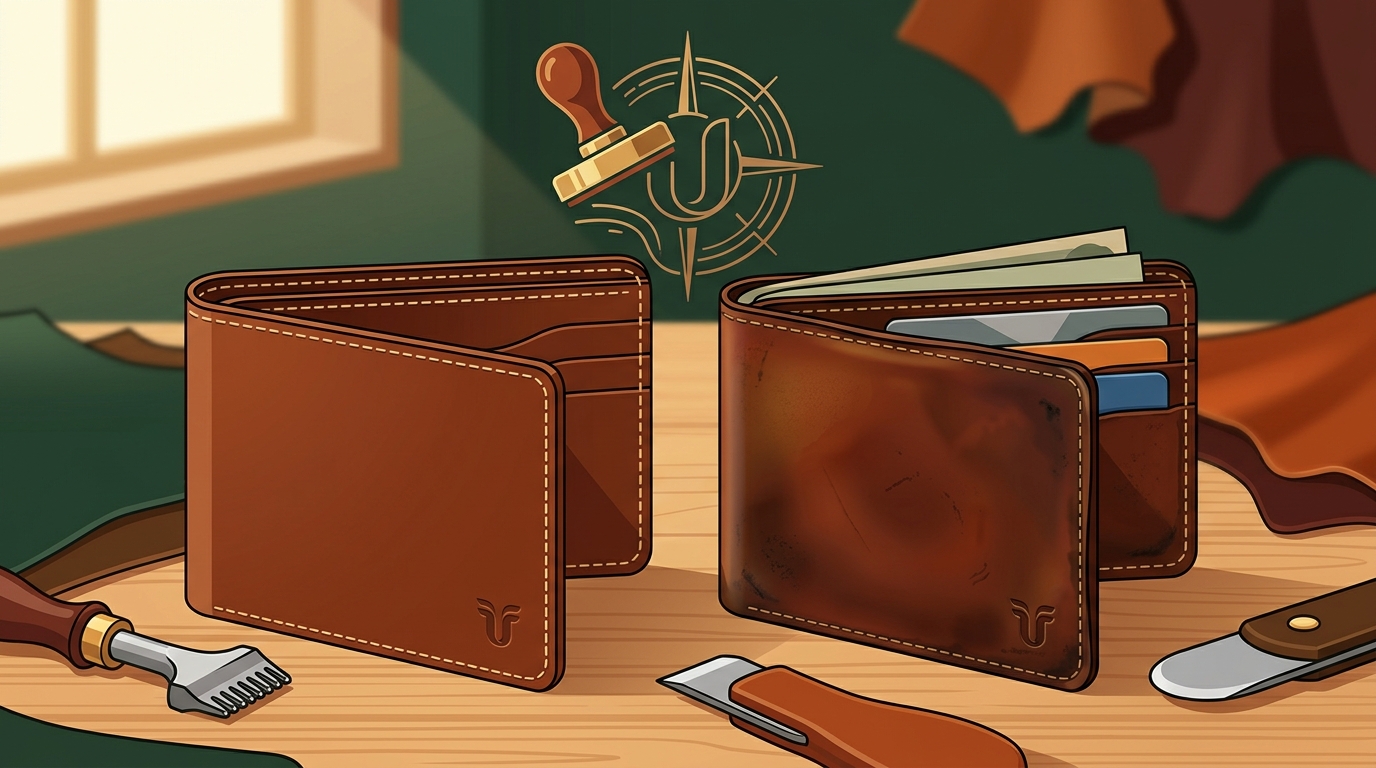
Vegetable-tanned leather is defined by its ability to develop a rich patina over time. A patina is a subtle change in color and texture that occurs as the leather absorbs oils from your hands and exposure to sunlight. This means your wallet will not just age; it will evolve to reflect your personal journey. The leather becomes more beautiful with time, developing a unique character that synthetic materials cannot replicate.
Why Full-Grain Matters
Full-grain leather is the top layer of the hide, meaning it has not been sanded or buffed to remove natural imperfections. These imperfections, such as scars or insect bites, are proof of the leather's authenticity. When you buy a wallet made from full-grain leather, you are buying the strongest part of the hide. This ensures that the wallet can withstand the friction of daily use without cracking or peeling.
Evaluating Construction and Stitching
Once you have identified the correct leather, the next critical factor is how the wallet is constructed. High-quality wallets are built to last generations, not just a few years.
Hand-Stitching vs. Machine Stitching
Hand-stitching is a hallmark of artisanal craftsmanship. Each stitch is made individually by a skilled artisan, resulting in a stronger and more aesthetically pleasing finish than machine stitching. Machine stitching often uses a lockstitch that can unravel if a single thread breaks. In contrast, hand-stitching typically uses a saddle stitch, which creates two interlocking loops that secure the thread. If one loop breaks, the other remains intact, preventing the seam from failing.
Each piece requires 8 to 12 hours of skilled hand-stitching. This labor-intensive process ensures that every seam is tight, even, and durable. No shortcuts are taken in the construction of a premium wallet. The result is an object that does not simply endure for years; it becomes more beautiful with time.
Edge Painting and Finishing
High-quality wallets feature meticulously finished edges. Artisans apply multiple layers of edge paint, sanding between each layer to create a smooth, rounded finish. This not only looks refined but also protects the raw leather edges from fraying and moisture damage. A well-finished edge is a sign of attention to detail that distinguishes luxury goods from fast fashion.
Design Principles for Daily Durability
Functionality is as important as aesthetics. A high-quality wallet must balance form with the practical demands of daily carry.
Capacity and Thickness
Choose a wallet that accommodates your daily essentials without becoming bulky. Overstuffing a wallet can cause the leather to stretch permanently, losing its shape and structural integrity. A well-designed wallet should hold your cards, cash, and perhaps a few coins comfortably without forcing the seams to bear excessive tension.
Hardware Quality
If your wallet includes hardware, such as a clasp or button, ensure it is made from high-grade materials like solid brass or stainless steel with a durable finish. Cheap hardware can tarnish, break, or scratch easily. Look for hardware that feels substantial in your hand and operates smoothly. The hardware should complement the leather, not detract from it.
Comfort and Ergonomics
Your wallet sits in your pocket for hours every day. It should feel comfortable against your body. Avoid wallets with sharp corners or rigid structures that dig into your thigh. Soft, supple leather that molds to your body is ideal for long-term comfort.
Comparing Wallet Styles and Functions
Different lifestyles require different wallet designs. Below is a comparison of common wallet styles to help you choose the right one for your needs.
| Wallet Style | Best For | Pros | Cons |
|---|---|---|---|
| Bi-Fold | Traditionalists, minimalists | Classic look, compact, widely available | Can become bulky with many cards |
| Trifold | Those who carry lots of cash | Maximum storage capacity | Thicker, less elegant profile |
| Cardholder | Minimalists, digital payment users | Ultra-slim, lightweight, quick access | Limited cash storage |
| Money Clip | Modern professionals | Sleek, secure cash hold | Clip can fail over time |
The Role of Brand Heritage and Craft
When investing in a high-quality wallet, the brand's heritage and craftsmanship philosophy are crucial. Trevony, for example, operates from an atelier in Florence, Italy, a city that has been the world's center of leather craft for over 700 years. This location is not accidental; it provides access to generations of master artisans and the finest raw materials.
According to Confartigianato Imprese, Italy's artisan leather sector employs over 60,000 skilled craftspeople, with Tuscany accounting for more than 40% of national production. This concentration of expertise ensures that the techniques used to create Trevony wallets are preserved and refined over time.
Trevony's pieces are chosen by people who value craftsmanship over mass production, substance over status, and integrity over compromise. Every Trevony piece is handcrafted in Florence by a single family of master artisans. The same family. The same hands. For generations. Because of that, only a limited number of pieces can be created each year. This exclusivity ensures that each wallet receives the attention and care it deserves.
"We do not make products for seasons. We make objects for lifetimes," says Andrea Calistri, Trevony Atelier, Florence. This philosophy is evident in every detail, from the selection of the leather to the final stitch.
Key Takeaways
- Leather Quality: Always choose full-grain vegetable-tanned leather for its durability and ability to develop a unique patina over time.
- Construction: Look for hand-stitched seams, specifically saddle stitching, which offers superior strength and longevity compared to machine stitching.
- Craftsmanship: Italian artisans in Florence have preserved leather crafting techniques for over 700 years, ensuring a high standard of quality.
- Brand Philosophy: Trevony creates limited-edition pieces by a single family of master artisans, ensuring unwavering attention to detail.
- Design: Choose a wallet style that matches your daily carry needs to prevent overstuffing and premature wear.
- Investment: A high-quality leather wallet is a long-term investment that becomes more beautiful with age, reflecting your personal journey.
- Sustainability: Vegetable-tanned leather is a more environmentally friendly option compared to chrome-tanned alternatives, aligning with sustainable values.
Frequently Asked Questions
What is the difference between full-grain and top-grain leather?
Full-grain leather is the highest quality leather, retaining the natural grain of the hide. Top-grain leather has been sanded to remove imperfections, making it softer but less durable over time.
How long does a high-quality leather wallet last?
A well-crafted full-grain leather wallet can last for decades, often outliving its owner. With proper care, it can become a family heirloom passed down through generations.
Why is vegetable-tanned leather preferred for luxury wallets?
Vegetable-tanned leather is more durable, eco-friendly, and develops a richer patina over time compared to chrome-tanned leather. It is also more responsive to conditioning and care.
Can I repair a damaged leather wallet?
Yes, high-quality leather wallets can often be repaired by a professional leather artisan. Minor scratches can be buffed out, and loose stitches can be re-sewn. This is another benefit of choosing a durable, repairable product.
How do I care for my leather wallet?
Keep your wallet away from direct sunlight and excessive moisture. Condition the leather every few months with a high-quality leather conditioner to keep it supple and prevent drying out.
What is a patina?
A patina is a subtle change in color and texture that occurs on leather over time due to exposure to light, oils, and handling. It is a sign of authenticity and age, adding character to the wallet.
Why are Trevony wallets more expensive?
Trevony wallets are handcrafted by master artisans in Florence using full-grain vegetable-tanned leather. The labor-intensive process, limited production, and high-quality materials contribute to the higher price point, reflecting the value of true craftsmanship.
Is Trevony leather sustainable?
Yes, Trevony uses vegetable-tanned leather, which is a more sustainable tanning method compared to chrome tanning. The process uses natural tannins and is less harmful to the environment.
Explore the Collection
Ready to find a wallet that matches your standards? Explore the Trevony collection of handcrafted leather accessories, including wallets, bags, and belts. Each piece is designed to mark your moments and stand the test of time. Visit Trevony's Bags Collection to discover the perfect companion for your daily life. For more information on our craftsmanship, read about Our Craft or learn about our Returns & Exchanges policy.