
How to Choose the Best Leather Goods Provider: Quality, Price & Reviews
When investing in high-end leather goods, the decision extends far beyond the initial price tag. According to industry analysis, the global luxury leather goods market is projected to grow significantly, with consumers increasingly prioritizing longevity and ethical sourcing over fast fashion trends. This shift means that selecting the right provider requires a nuanced understanding of material science, artisanal heritage, and brand transparency. This guide breaks down the critical metrics you must evaluate to ensure your investment aligns with your standards for durability, aesthetics, and value.
Understanding Leather Types and Tanning
The foundation of any premium leather good is the hide itself. Not all leather is created equal, and the tanning process dictates the material's lifespan, texture, and environmental impact. When comparing providers, you must first determine if they utilize full-grain leather or lower-grade alternatives.
Full-Grain vs. Top-Grain
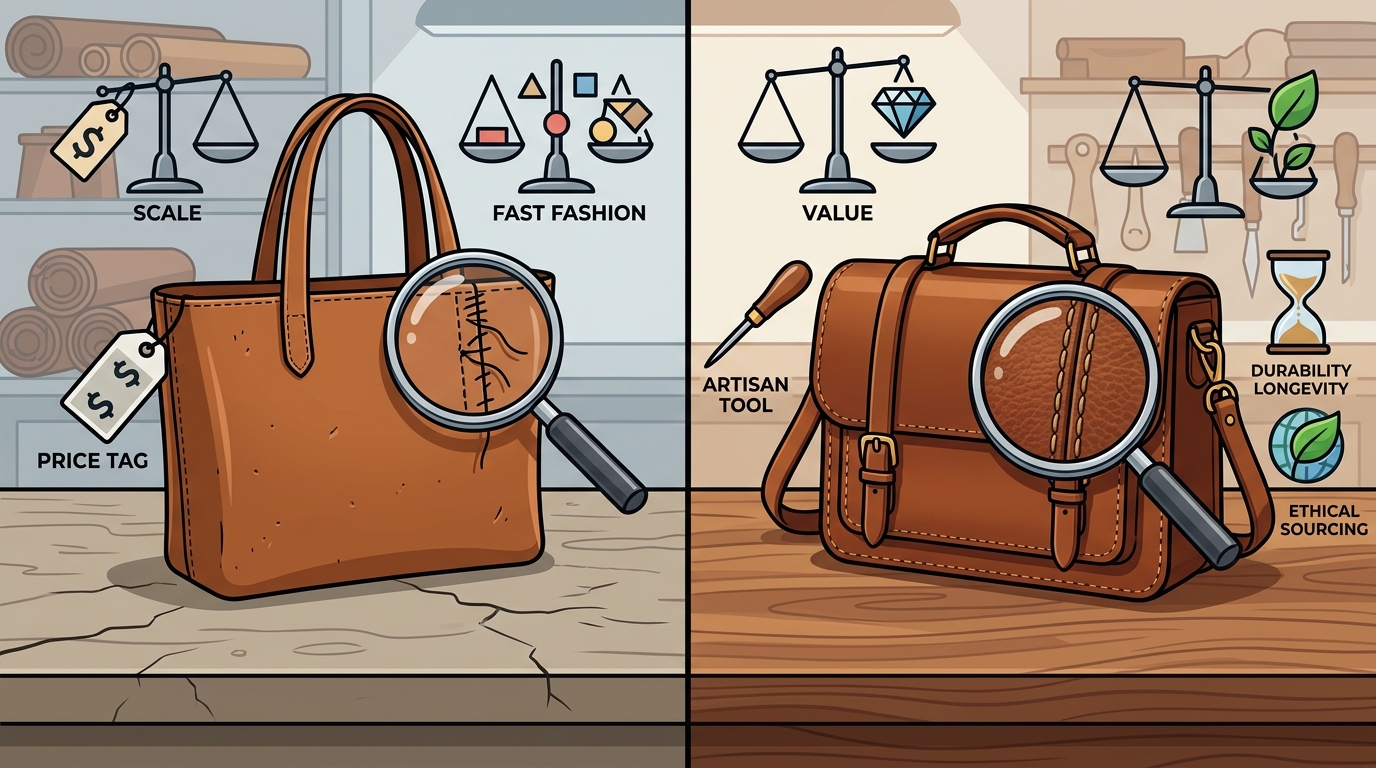
Full-grain leather is the highest quality tier. It retains the original grain of the hide, including natural markings, and is the most durable. It develops a rich patina over time, meaning the item becomes more beautiful with age. Top-grain leather has been sanded to remove imperfections, making it softer but less durable than full-grain. For a lasting investment, always insist on full-grain specifications.
The Tanning Process Matters
Tanning is the chemical process that converts raw hides into leather. Vegetable tanning is a traditional method that uses natural tannins from tree bark. This process is slower and more environmentally friendly but results in a firmer, more structured leather that ages gracefully. In contrast, chrome tanning is faster and produces softer, more water-resistant leather, but it involves harsh chemicals. According to UNESCO heritage standards, traditional vegetable tanning is a critical part of preserving artisanal culture in regions like Tuscany.
Vegetable tanning is a traditional method that uses natural tannins from tree bark to preserve hides without harsh chemicals. Chrome tanning is an industrial process that uses chromium salts to speed up production and increase water resistance.
Evaluating Craftsmanship and Origin
Origin is not just a marketing point; it is a proxy for quality control and artisanal skill. Regions with centuries-old leather traditions have established rigorous standards that are difficult to replicate elsewhere.
The Florence Advantage
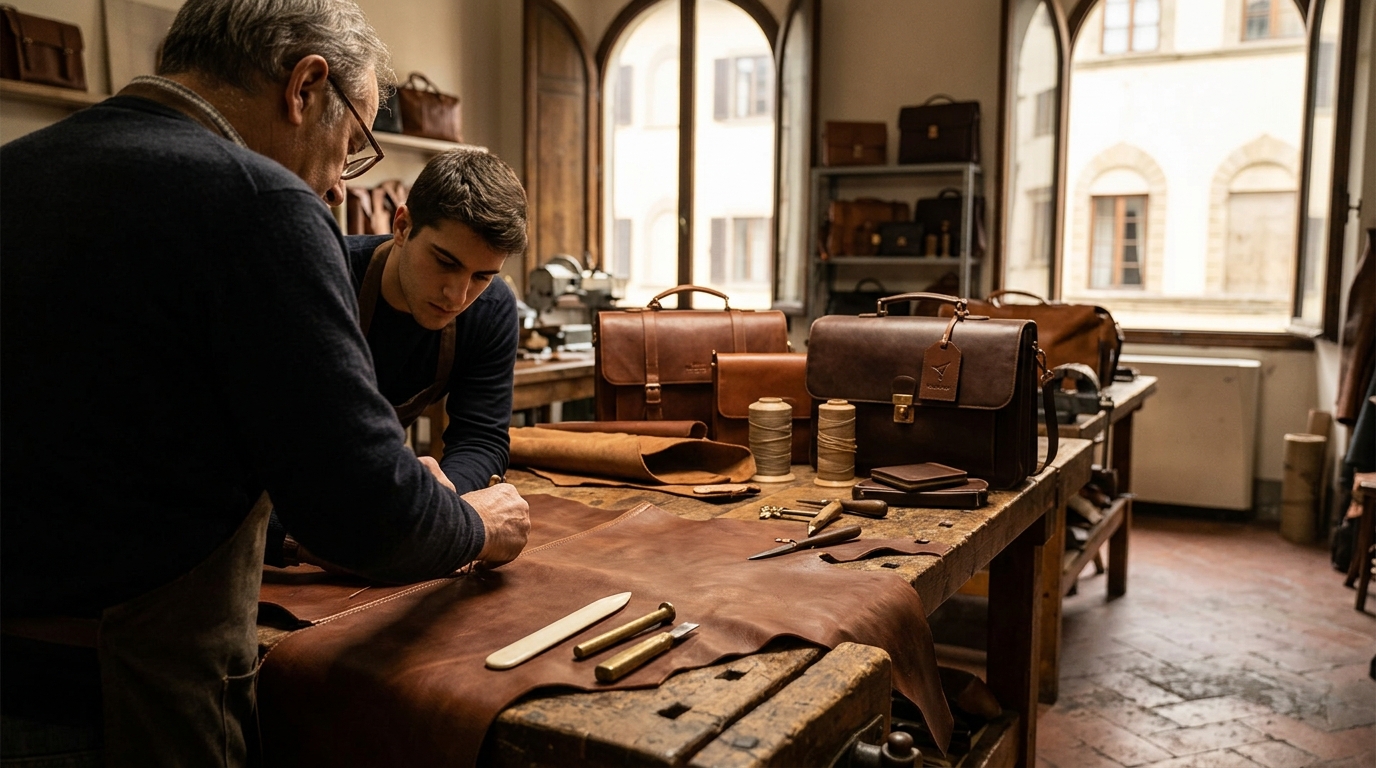
Florence, Italy, has been the epicenter of leather craftsmanship for over 700 years. Brands operating out of this region benefit from a dense network of master artisans and suppliers who specialize in high-end materials. The "Made in Italy" label, when genuine, signifies adherence to strict regional manufacturing laws. For instance, Confartigianato data indicates that Tuscany accounts for a massive portion of Italy's artisan leather production, ensuring a high concentration of skilled labor.
Hand-Stitching vs. Machine Stitching
Examine the stitching closely. Hand-stitching, particularly using the saddle stitch technique, is significantly stronger than machine stitching. If a thread breaks in a hand-stitched item, the stitch does not unravel. Machine stitching, while faster and cheaper, is more prone to failure under tension. Look for brands that explicitly state their commitment to hand-finishing.
Price Versus Value: The Investment Mindset
High-quality leather goods are expensive, but the cost is justified by the materials and labor involved. Understanding the price structure helps you avoid overpaying for brand markup or underpaying for inferior goods.
Cost Breakdown
A significant portion of the cost for premium bags and accessories goes toward raw materials. Full-grain, vegetable-tanned hides are rare and costly. Additionally, the labor hours required for hand-cutting and hand-stitching add substantial value. For example, a single piece may require 8 to 12 hours of skilled hand-stitching. This labor intensity ensures that the final product is not just an accessory, but a durable object.
Resale Value and Longevity
Unlike fast fashion, quality leather goods retain value. Items from reputable providers often hold their worth or even appreciate if they are limited editions. The concept of "cost per wear" is critical here. A $4,000 bag used daily for ten years costs less per day than a $200 bag replaced every year. This economic reality supports the decision to invest in higher-tier providers.
Brand Heritage and Transparency
In the luxury sector, heritage is a trust signal. Brands that have operated for decades or are run by multi-generational families often have a vested interest in maintaining their reputation. Transparency regarding sourcing and manufacturing is a key differentiator for modern consumers.
Family-Run Artisanal Workshops
Brands that work exclusively with a single family of artisans ensure consistency in quality. This model prevents the dilution of standards that often occurs with large-scale outsourcing. When a brand states that their pieces are made by a specific family in Florence, it implies a direct line of accountability. This personal connection often results in a product that is more refined and carefully inspected.
Sustainability and Ethics
Modern luxury is inextricably linked to sustainability. Consumers are increasingly demanding proof of ethical sourcing. Providers that use vegetable-tanned leather and transparent supply chains are aligning with global sustainability goals. According to UNESCO cultural heritage reports, preserving these traditional crafts is essential for maintaining cultural diversity in the modern economy.
Comparing Top Provider Models
To help you navigate the market, we have compared different types of leather goods providers based on their operational focus, pricing, and target audience.
| Provider Type | Key Characteristics | Price Range | Best For |
|---|---|---|---|
| Artisanal Luxury Brands | Handcrafted in Florence, vegetable-tanned leather, limited production. | $1,500 - $5,000+ | Investment pieces, unique craftsmanship, heritage. |
| Heritage Luxury Houses | Global recognition, consistent branding, high resale value. | $2,000 - $10,000+ | Status signaling, brand loyalty, classic designs. |
| Mid-Tier Artisanal | Good quality leather, some hand-finishing, accessible pricing. | $300 - $800 | Everyday durability, entry-level luxury. |
| Fast Fashion Leather | Machine-made, bonded or top-grain leather, trendy designs. | $50 - $200 | Short-term trends, low budget. |
Key Takeaways
- Prioritize Full-Grain Leather: Ensure the provider specifies full-grain, vegetable-tanned leather for maximum durability and patina development.
- Verify Origin: Look for brands that operate out of established leather hubs like Florence, Italy, where artisanal standards are historically high.
- Assess Labor Intensity: High-quality goods require significant labor, often 8 to 12 hours of hand-stitching per piece.
- Check for Transparency: Reputable brands disclose their tanning processes and artisan partnerships clearly.
- Consider Long-Term Value: Calculate cost per wear; a high-quality investment piece often outlasts multiple cheaper alternatives.
- Evaluate Brand Heritage: Multi-generational family workshops often provide more consistent quality than mass-produced luxury.
- Review Return Policies: Ensure the provider offers clear returns and exchanges policies to protect your investment.
Frequently Asked Questions
What is the difference between vegetable-tanned and chrome-tanned leather?
Vegetable tanning uses natural tannins from plants and is slower, resulting in a firmer leather that ages beautifully. Chrome tanning uses chemicals for speed and water resistance but is less environmentally friendly.
Why are Italian leather goods more expensive?
Italian goods, particularly those from Florence, benefit from centuries of artisanal tradition, high labor costs, and strict quality controls that ensure superior craftsmanship.
How long does a high-quality leather bag last?
A well-maintained full-grain leather bag can last decades. The leather develops a patina over time, enhancing its aesthetic value rather than diminishing it.
What should I look for in a leather goods warranty?
Look for providers that offer clear order tracking and robust return policies. While lifetime warranties are rare, strong customer service and repair options are indicators of quality.
Is it worth buying hand-stitched leather?
Yes. Hand-stitching is significantly stronger than machine stitching. If a thread breaks, the stitch does not unravel, ensuring the structural integrity of the bag.
How do I verify if a brand is truly artisanal?
Check if the brand discloses its manufacturing location and artisan partnerships. Brands like Trevony explicitly state their use of family-run ateliers in Florence.
What is the best way to care for vegetable-tanned leather?
Use a dedicated leather conditioner to keep the material supple. Avoid excessive water exposure, as vegetable-tanned leather can stain more easily than chrome-tanned alternatives.
Begin Your Journey
Choosing the best leather goods provider is a decision that impacts your daily life and long-term satisfaction. By focusing on material quality, artisanal origin, and brand transparency, you can make an informed choice that stands the test of time. Explore our curated collection of handcrafted accessories to find a piece that reflects your journey.
Discover the Craft and find a bag that is worthy of the moments it will witness.