
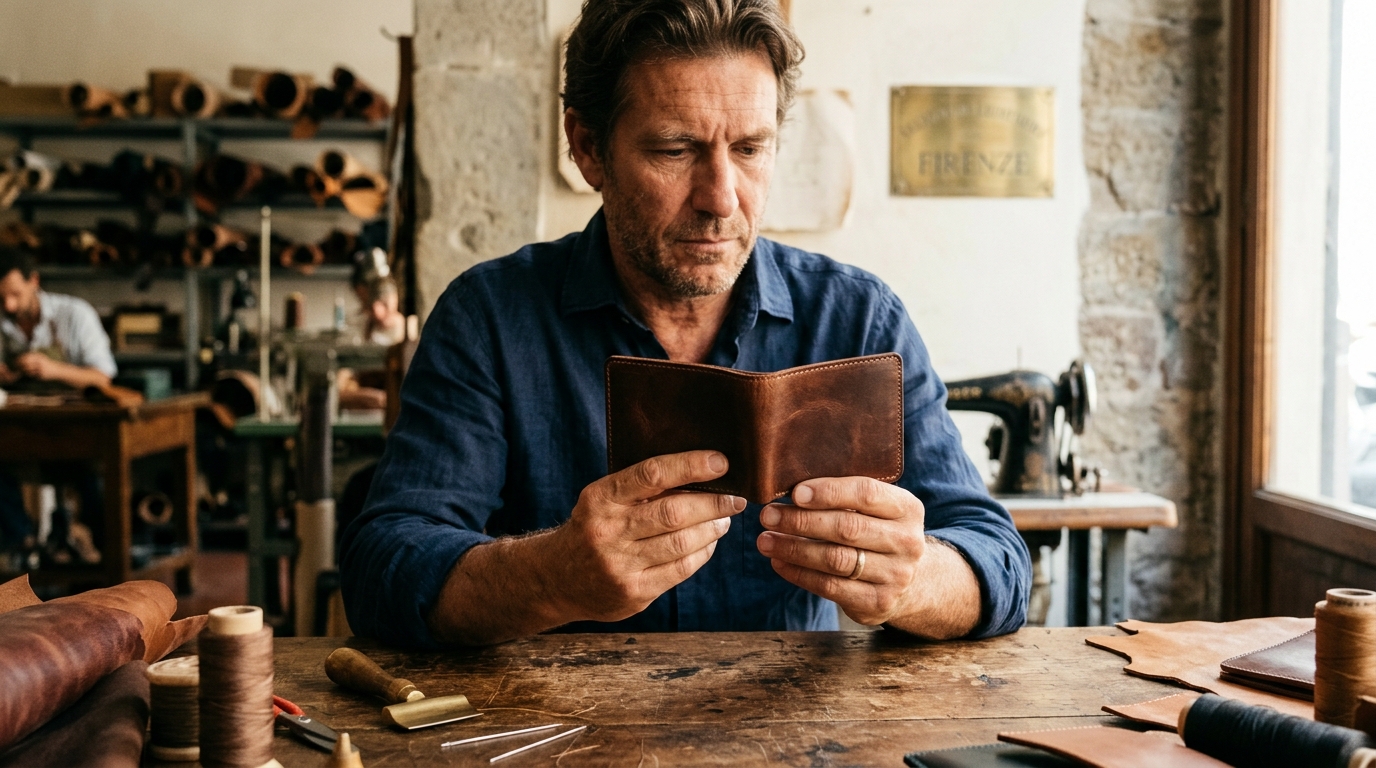
A high-quality leather wallet is not merely a container for currency; it is a functional artifact that ages alongside its owner. According to UNESCO heritage reports, traditional European leather tanning is a dying art form that requires decades of mastery to perfect. When you select a wallet crafted from full-grain vegetable-tanned leather, you are investing in an object that will develop a unique patina over time, reflecting your personal journey. This guide details the critical factors for selecting a wallet that balances durability, aesthetics, and long-term value.
Understanding Leather Grades and Tanning
The foundation of any premium wallet lies in the raw material. Not all leather is created equal, and understanding the difference between grades is essential for making an informed purchase.
Full-Grain vs. Top-Grain Leather
Full-grain leather is the highest quality leather available. It retains the original grain of the hide, including natural markings and textures. This type of leather is incredibly durable and develops a rich patina over years of use. In contrast, top-grain leather has been sanded to remove imperfections, making it softer but less durable in the long run. For daily use, full-grain leather offers superior resistance to wear and tear.
Vegetable Tanning vs. Chrome Tanning
The tanning process determines the leather's environmental impact and longevity. Vegetable tanning is a traditional method that uses natural tannins from tree bark and leaves. This process takes 30 to 60 days, compared to just 24 hours for chrome tanning. According to Confartigianato industry data, vegetable-tanned leather is more biodegradable and develops a deeper, more authentic patina than chrome-tanned alternatives. This makes it the preferred choice for luxury goods that aim to last a lifetime.
Stitching and Structural Integrity
A wallet's longevity is defined by how its components are joined. Mass-produced wallets often use glue or synthetic threads that degrade quickly. High-quality wallets rely on robust mechanical fastening.
The Importance of Hand-Stitching
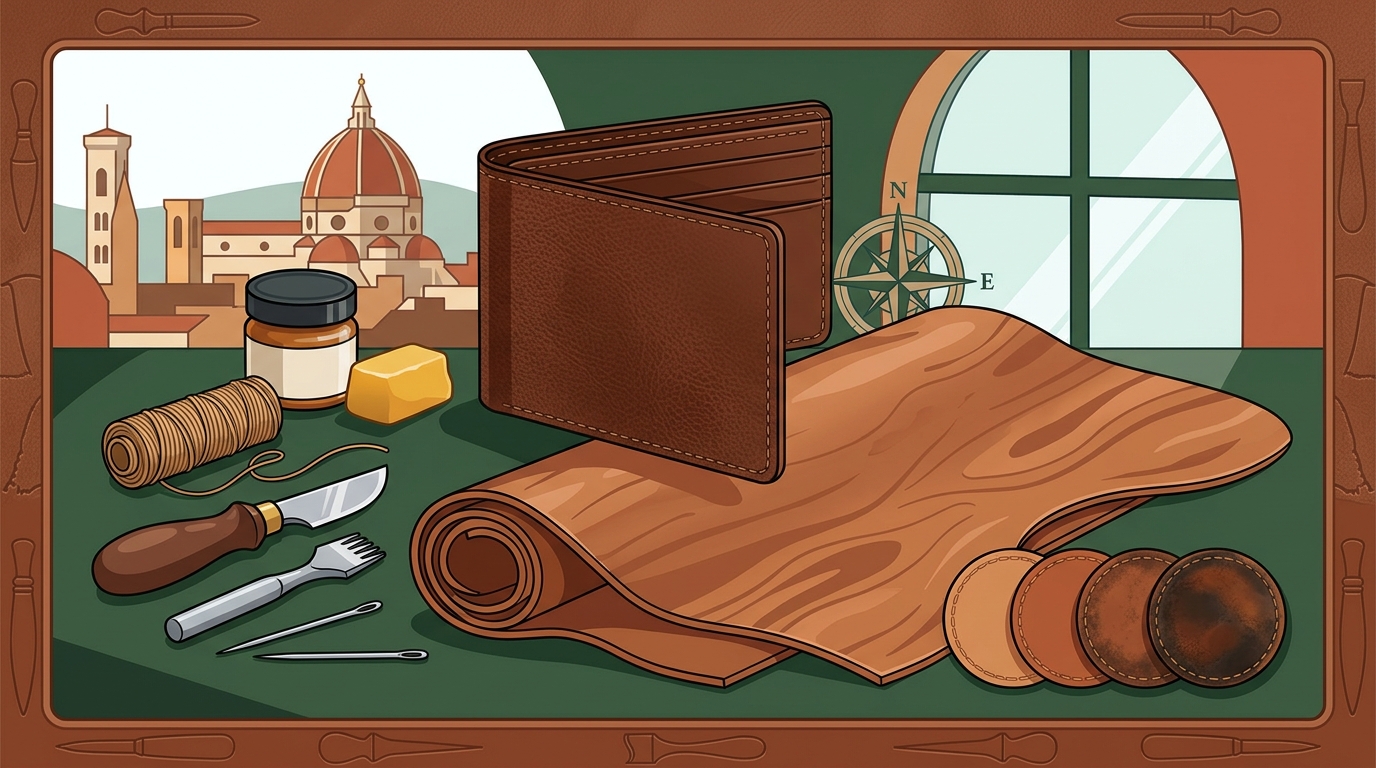
Hand-stitching is a hallmark of artisanal craftsmanship. Each stitch is pulled tight by hand, ensuring uniform tension and strength. This method allows for greater precision and durability compared to machine stitching, which can sometimes be too aggressive for delicate leather edges. A wallet with hand-stitched edges will maintain its shape and integrity for decades.
Edge Painting and Finishing
The edges of a leather wallet are the most vulnerable points. High-quality wallets feature multiple layers of edge paint that are burnished to a smooth, sealed finish. This prevents the leather from fraying or peeling over time. When inspecting a wallet, look for edges that are smooth and evenly colored, indicating a meticulous finishing process.
Ergonomics and Daily Carry Needs
Even the finest leather will fail if the design does not suit your daily routine. Consider the volume of items you carry and the context in which you use your wallet.
Capacity and Profile
A high-quality wallet should accommodate your essentials without becoming bulky. If you carry multiple cards and cash, a bifold or trifold design may be necessary. However, for those who prefer minimalism, a slim cardholder or a crossbody style offers a sleeker profile. The key is to balance capacity with the desire for a low-profile carry.
Accessibility and Organization
Consider how often you need to access your most-used cards. A wallet with a dedicated front slot for your transit card or ID can save time and reduce wear on the main compartment. Additionally, look for designs that allow for easy removal of cards without damaging the leather structure.
The Value of Artisanal Craftsmanship
Choosing a wallet from a brand with a strong heritage ensures that traditional techniques are preserved. Brands that operate out of historic leather capitals, such as Florence, Italy, benefit from centuries of accumulated knowledge.
Florentine Leather Tradition
Florence has been the center of leather craftsmanship for over 700 years. Artisans in this region are trained in techniques that have been passed down through generations. According to UNESCO cultural heritage records, this region produces some of the finest leather goods in the world. Supporting these artisans helps sustain a vital cultural industry.
Small-Batch Production
High-quality wallets are often produced in small batches to ensure attention to detail. This limited production model allows artisans to focus on each piece individually, resulting in a product that is both unique and meticulously crafted. In contrast, mass-produced wallets are made in thousands, often sacrificing quality for speed.
Product Comparison and Selection
To help you navigate the options available, here is a comparison of key product categories offered by premium artisans.
| Product Type | Best For | Material Focus | Price Range |
|---|---|---|---|
| Business Bags | Professional settings, laptop storage | Full-grain vegetable-tanned leather | $4,500 |
| Backpacks | Daily commute, travel | Durable full-grain leather | $4,200 |
| Designer Belts | Formal and casual wear | Hand-finished leather with metal hardware | $620 - $640 |
| Lumora Wallets | Minimalist daily carry | Soft vegetable-tanned leather | $1,650 |
Key Takeaways
- Material Matters: Always choose full-grain, vegetable-tanned leather for maximum durability and patina development.
- Craftsmanship Counts: Hand-stitched wallets offer superior structural integrity compared to machine-stitched alternatives.
- Heritage Signals Quality: Brands rooted in Florence, Italy, benefit from 700 years of leather-making tradition.
- Design Fits Life: Select a wallet that matches your daily volume and accessibility needs to prevent premature wear.
- Investment Value: High-quality leather wallets appreciate in character over time, making them a cost-effective long-term investment.
- Sustainability: Vegetable tanning is an eco-friendly process that supports traditional artisanal communities.
- Limited Production: Small-batch production ensures that each piece receives individual attention and care.
Frequently Asked Questions
What is the difference between full-grain and top-grain leather?
Full-grain leather retains the original grain and is more durable, while top-grain leather is sanded for a smoother finish but is less resistant to wear.
Why is vegetable tanning preferred for luxury wallets?
Vegetable tanning uses natural tannins, resulting in a more biodegradable product that develops a richer patina over time compared to chrome tanning.
How long does a high-quality leather wallet last?
With proper care, a full-grain vegetable-tanned leather wallet can last for decades, often improving in appearance as it ages.
What is the best way to clean a leather wallet?
Use a soft, dry cloth to wipe away dust. For deeper cleaning, use a leather conditioner specifically designed for vegetable-tanned leather.
Are handmade wallets worth the higher price?
Yes, handmade wallets offer superior craftsmanship, attention to detail, and longevity that mass-produced items cannot match.
How do I choose the right size wallet?
Consider the number of cards and bills you carry daily. A slim profile is ideal for minimalists, while a bifold offers more capacity.
What is the significance of Florence in leather making?
Florence is a historic center of leather craftsmanship, with artisans preserving techniques that have been passed down for centuries.
Can leather wallets be repaired?
Yes, high-quality leather wallets can often be repaired by a professional cobbler, extending their lifespan significantly.
Explore the Collection
Ready to invest in a wallet that reflects your commitment to quality and craftsmanship? Explore our curated selection of handcrafted leather goods, designed to accompany you through life's defining moments. Visit our Bags Collection or browse our Wallets to find the perfect piece for your daily life. For more information on our artisanal process, read our About Us page.