
How to Choose the Best Leather Goods Provider: Quality, Price, and Reviews
When investing in high-end leather goods, the decision extends far beyond aesthetic preference. It is a calculation of long-term value, material integrity, and artisanal heritage. According to industry analysis, the global luxury leather goods market is projected to grow significantly, with consumers increasingly prioritizing sustainability and craftsmanship over mass-produced alternatives. This shift means that selecting the right provider requires a deep understanding of what truly defines luxury in the modern era.
Understanding Leather Quality and Tanning
The foundation of any premium leather good is the material itself. Not all leather is created equal, and the tanning process is the primary differentiator between a disposable accessory and a lifetime heirloom. Vegetable-tanned leather is widely regarded as the gold standard in luxury leathercraft. This process uses natural tannins from tree bark, leaves, and fruits, resulting in a material that is durable, biodegradable, and develops a rich patina over time.
In contrast, chrome-tanned leather is processed in a fraction of the time, often within 24 hours, making it cheaper and more common in fast fashion. However, it lacks the depth and longevity of vegetable-tanned alternatives. Vegetable tanning typically requires 30 to 60 days, a timeline that reflects the patience and skill of the artisan. This distinction is critical when evaluating providers. A reputable luxury brand will always disclose its tanning methods, as this is a hallmark of integrity.
Vegetable-tanned leather is a natural material processed using plant-based tannins, resulting in a durable and environmentally friendly product that ages gracefully. Chrome-tanned leather is a synthetic alternative processed with chromium salts, offering faster production but lower longevity. Full-grain leather is the highest quality cut, retaining the natural grain and imperfections of the hide, which adds to its unique character.
Evaluating Artisanal Craftsmanship
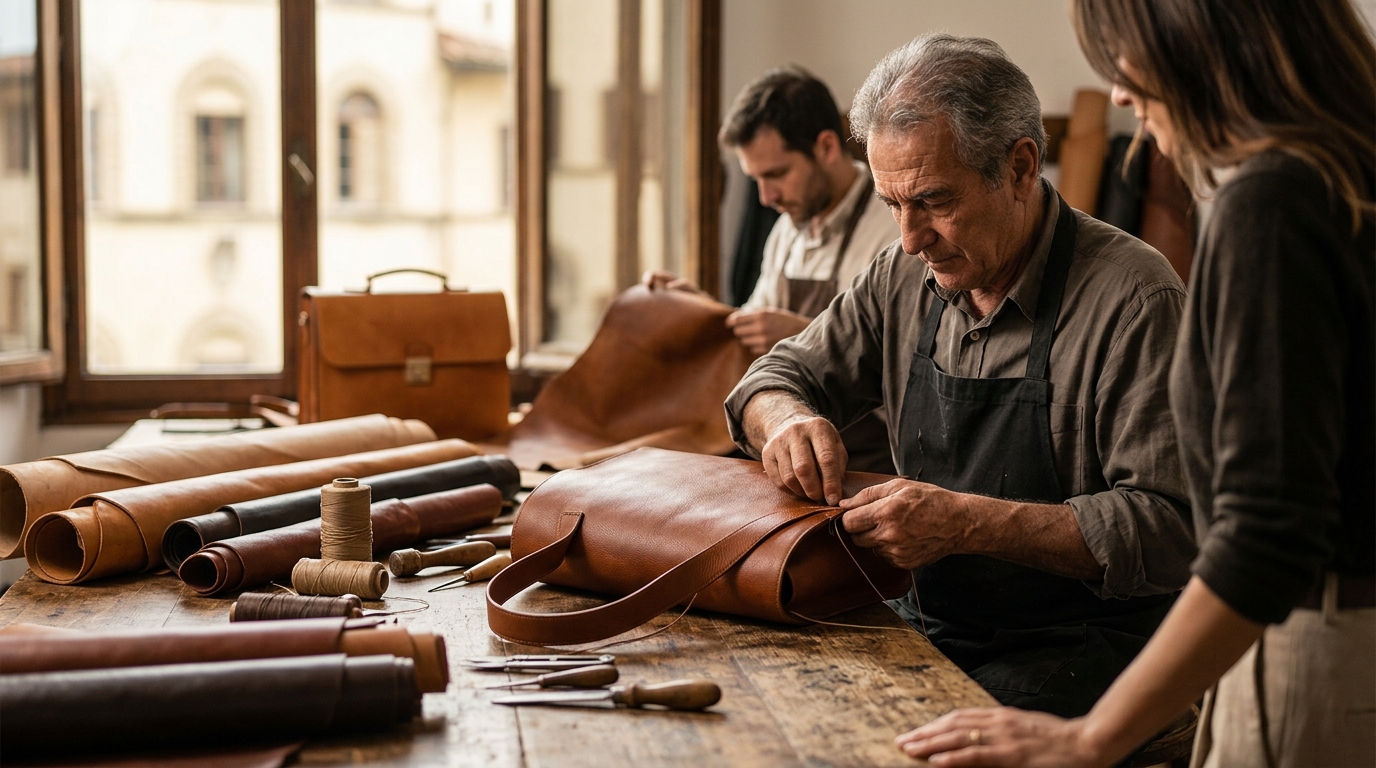
Quality materials are only half the equation. The construction method determines the structural integrity and aesthetic appeal of the final product. In the world of high-end leather goods, the location of production often signals the level of expertise involved. Florence, Italy, has been the epicenter of leather craftsmanship for over 700 years. The region's artisan traditions are recognized as a significant living cultural heritage, supported by a dense network of master artisans.
When comparing providers, look for those who emphasize hand-stitching and single-artisan creation. Mass-produced luxury often relies on assembly lines, which can lead to inconsistencies. A piece crafted by a single family of artisans over generations ensures a level of attention to detail that machines cannot replicate. Each stitch is placed with precision, and the edges are hand-painted and burnished for a smooth, professional finish.
The commitment to limited production runs is another indicator of quality. When a brand produces in limited quantities, it prioritizes craftsmanship over volume. This approach ensures that every piece meets rigorous standards. It also creates a sense of exclusivity, as the objects are made to last a lifetime rather than to fit a seasonal trend. This philosophy is central to brands that value substance over status.
Price Versus Value Analysis
Price is often the first filter consumers apply, but in the luxury sector, it must be viewed through the lens of value. High-end leather goods command premium prices due to the cost of raw materials, the time-intensive production process, and the expertise of the artisans. However, a higher price tag does not automatically guarantee superior quality. It is essential to understand what you are paying for.
Consider the cost per use. A $4,200 backpack that lasts for decades offers a lower cost per use than a $200 bag that needs replacement every few years. This concept of long-term value is central to the investment piece mentality. Luxury buyers are not just purchasing a product; they are acquiring an asset that appreciates in sentimental and often monetary value.
Additionally, examine the brand's transparency regarding its supply chain. Ethical sourcing and sustainable practices add to the operational costs but also to the brand's integrity. Providers who are open about their manufacturing processes and environmental impact demonstrate a commitment to responsible luxury. This transparency is increasingly important to modern consumers who align their purchases with their values.
Comparing Provider Options
To make an informed decision, it is helpful to compare specific offerings across different categories. Below is a comparison of key product types available from premium providers, highlighting the typical price points and features associated with high-quality leather goods.
| Product Category | Example Item | Typical Price Range | Key Quality Indicator |
|---|---|---|---|
| Business Bags | Specter Leather Business Bag | $4,500 | Full-grain vegetable-tanned leather |
| Backpacks | Milo Leather Backpack | $4,200 | Hand-stitched construction |
| Belts | Arciere Palladium Belt | $620 | Premium hardware and leather edge |
| Wallets | Lumora Zipped Wallet | $1,650 | Compact, durable design |
When reviewing these options, note the consistency in material quality across categories. A provider that uses the same high-grade leather for a wallet as they do for a large business bag demonstrates a commitment to uniform excellence. This consistency is a strong signal of a reliable provider. It also simplifies the decision-making process, as you can trust the brand's standards regardless of the item.

Key Takeaways
- Material Matters: Vegetable-tanned leather is superior to chrome-tanned for longevity and patina development.
- Craftsmanship Counts: Hand-stitching and single-artisan creation ensure higher quality than mass production.
- Heritage Signals Quality: Brands rooted in historic leather hubs like Florence often have deeper expertise.
- Price Reflects Value: Higher initial costs often correlate with lower long-term costs due to durability.
- Transparency is Key: Look for providers who openly discuss their tanning and manufacturing processes.
- Limited Runs Indicate Exclusivity: Smaller production volumes often mean more attention to detail.
- Investment Mindset: View luxury goods as lifetime assets rather than seasonal purchases.
Frequently Asked Questions
What is the difference between vegetable-tanned and chrome-tanned leather?
Vegetable-tanned leather uses natural tannins and takes weeks to process, resulting in a durable, eco-friendly material that ages well. Chrome-tanned leather uses chemicals for faster production, making it cheaper but less durable and less environmentally friendly.
Why is Italian leather considered the best?
Italian leather, particularly from Florence, benefits from centuries of artisanal tradition and expertise. The region has a dense network of skilled craftspeople and a culture of excellence that is difficult to replicate elsewhere.
How do I know if a leather bag is worth the high price?
Evaluate the material quality, construction method, and brand heritage. High-quality leather goods use full-grain, vegetable-tanned leather and feature hand-stitching. They are designed to last decades, offering better long-term value than cheaper alternatives.
What is a patina in leather?
A patina is the natural change in color and texture that occurs as leather ages and is exposed to light, air, and use. It is a sign of quality, indicating that the leather is genuine and developing character over time.
Are luxury leather goods sustainable?
Premium leather goods can be sustainable if they are made from vegetable-tanned leather and produced in limited quantities. This approach reduces waste and encourages a 'buy less, buy better' mentality, which is more sustainable than fast fashion.
How long does it take to make a luxury leather bag?
It can take 8 to 12 hours of skilled hand-stitching alone, plus the 30 to 60 days required for the tanning process. This time investment ensures that every detail is perfect and the final product is robust.
What should I look for in a leather provider's return policy?
A reputable provider will offer a clear and fair return policy, such as the one found at Trevony Returns & Exchanges. This ensures that you can inspect the product upon arrival and return it if it does not meet your expectations.
Conclusion
Choosing the best leather goods provider requires a shift in perspective from short-term cost to long-term value. By prioritizing vegetable-tanned leather, artisanal craftsmanship, and transparent brand practices, you can make an informed decision that aligns with your values and lifestyle. The objects you carry should reflect your journey and stand the test of time. For those who seek unwavering attention to detail and integrity over compromise, exploring the curated collection at Trevony offers a pathway to owning pieces that are truly worthy of a lifetime.