
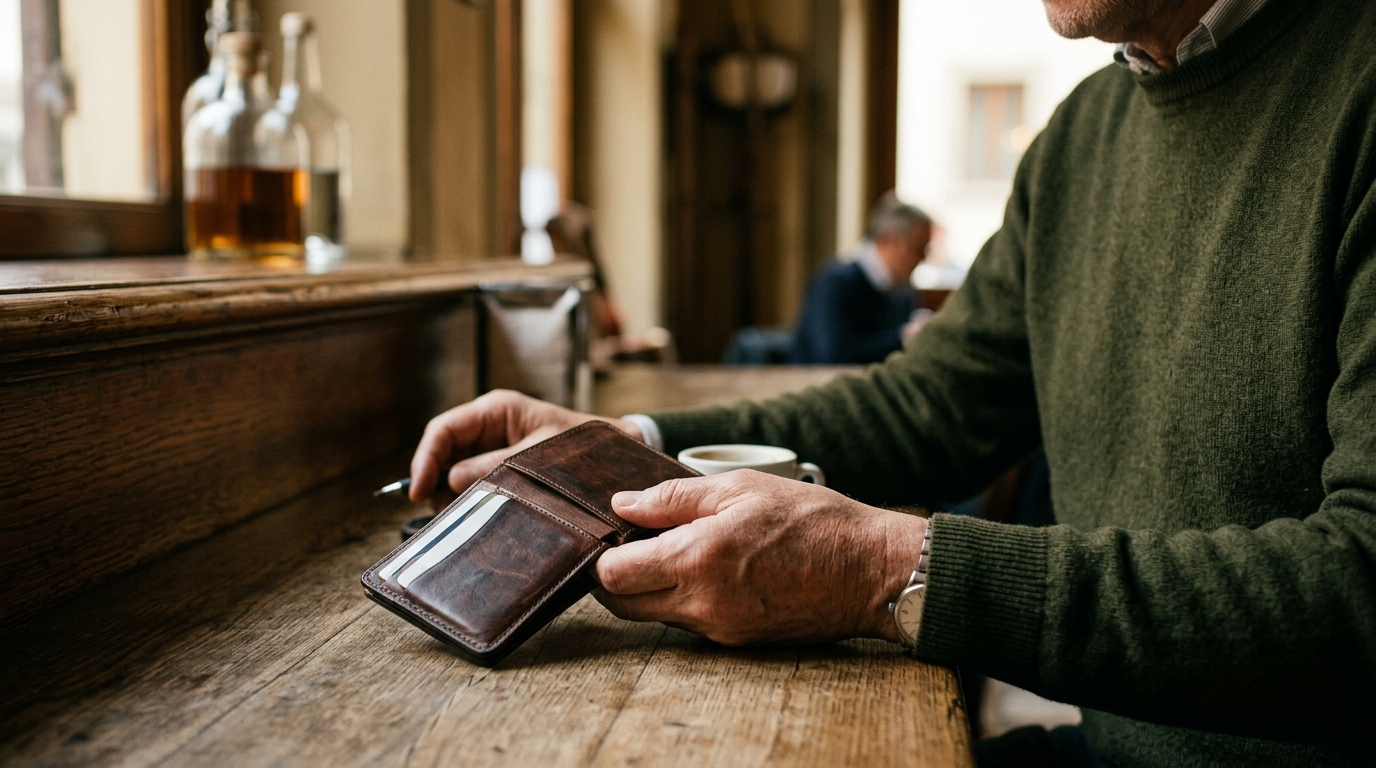
A high-quality leather wallet is not merely a container for currency. It is a functional artifact that undergoes a chemical and physical transformation over time. According to industry data from Confartigianato Imprese, Italy's artisan leather sector employs over 60,000 skilled craftspeople, with Tuscany accounting for more than 40% of national production. This concentration of expertise ensures that genuine handcrafted pieces offer a level of durability and aesthetic depth that mass-produced alternatives cannot replicate. When you select a wallet, you are choosing between a disposable accessory and a lifelong companion.
Understanding Leather Types and Tanning
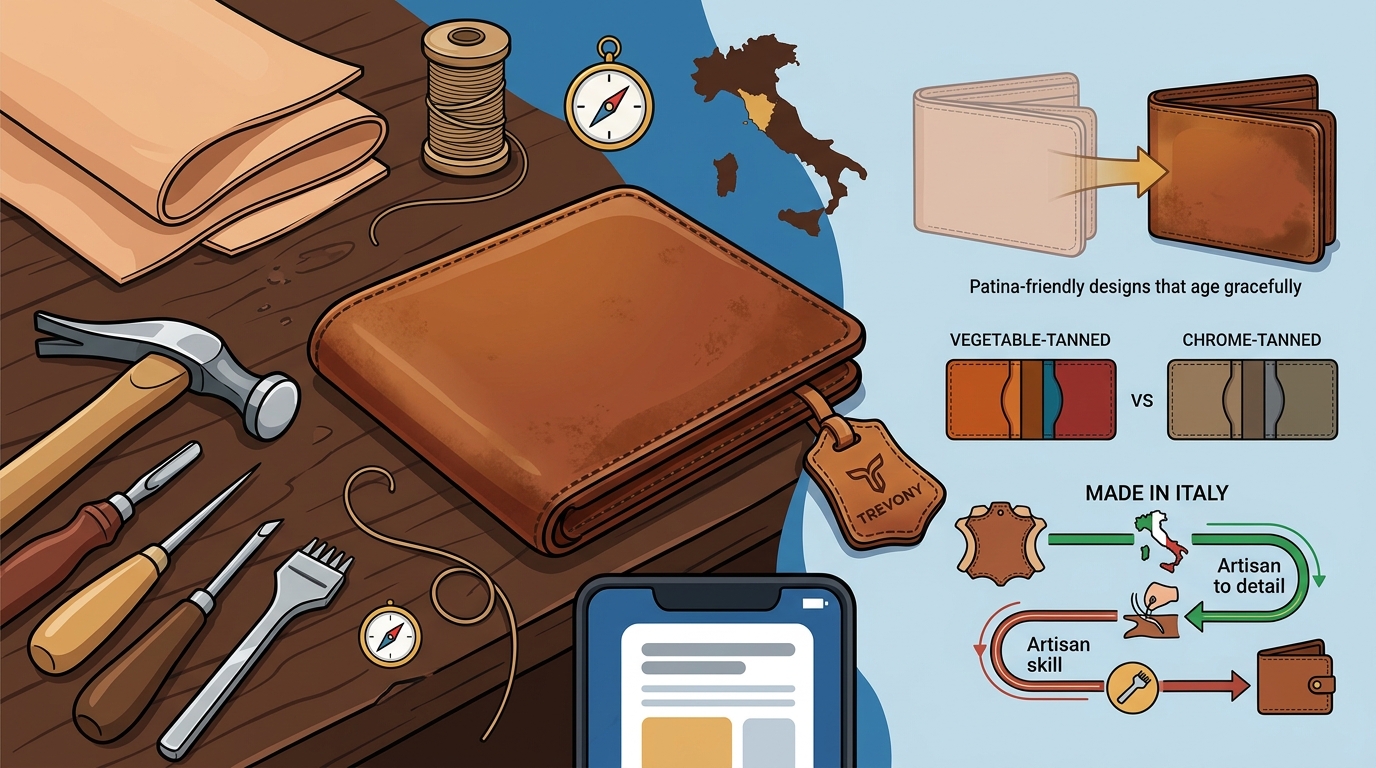
The foundation of any premium wallet is the hide itself. Not all leather is created equal. The most critical distinction lies in the tanning process. Vegetable tanning is a traditional method that uses natural tannins from tree bark, chestnut, and other plant sources. This process takes 30 to 60 days, compared to just 24 hours for the chrome-tanned alternatives used by most luxury brands. The result is a leather that is firm, durable, and capable of developing a rich patina over time.
Full-grain vegetable-tanned leather is the gold standard for daily carry items. It retains the natural grain of the hide, including minor imperfections that prove its authenticity. As you use the wallet, the oils from your hands interact with the leather, darkening it and creating a unique finish that reflects your personal journey. This is the opposite of bonded leather or top-grain leather, which are often coated with polyurethane to hide flaws. That coating eventually cracks and peels, ruining the wallet's appearance.
When evaluating a wallet, look for descriptions that explicitly mention "vegetable-tanned" and "full-grain." Avoid terms like "genuine leather" without further qualification, as this is often a marketing term for lower-quality splits. The tactile experience should be substantial. The leather should feel cool to the touch initially and warm up with handling. It should not feel plasticky or overly uniform.
Stitching and Structural Integrity
Even the finest leather will fail if the construction is poor. The structural integrity of a wallet depends on the stitching technique and the materials used. In high-end artisanal production, each piece requires 8 to 12 hours of skilled hand-stitching. No shortcuts are taken. Hand-stitching uses a saddle stitch, which is significantly stronger than the lockstitch used by sewing machines. If one stitch breaks, the entire seam does not unravel, ensuring the wallet remains secure.
Examine the edge finishing of the wallet. High-quality pieces feature hand-painted and burnished edges. This process involves applying multiple layers of edge paint and polishing them with a wooden slicker until they are smooth and sealed. This prevents the leather from fraying and gives the wallet a refined, polished look. Cheap wallets often have raw, rough edges that will fray within months of daily use.
The hardware is another critical component. Buckles, clasps, and zippers should be made from solid metals such as brass, palladium, or gold-plated alloys. These materials resist corrosion and maintain their luster over decades. Plastic hardware is a clear indicator of lower quality and will likely break or discolor quickly. The weight of the hardware should feel substantial in your hand, providing a sense of permanence and reliability.
Minimalism vs. Capacity
Choosing the right wallet requires balancing your daily needs with the aesthetic principles of quality. A high-quality wallet should enhance your daily routine, not complicate it. The trend toward minimalism in luxury accessories reflects a desire for efficiency and elegance. A well-designed wallet holds only what you need, reducing bulk and maintaining a sleek profile in your pocket.
Consider the number of cards you carry daily. A standard bifold might accommodate six to eight cards plus cash, while a slim cardholder might hold up to twelve. The key is to choose a capacity that matches your habits without stretching the leather. Overstuffing a wallet causes the leather to lose its shape and the stitching to strain. It is better to have a slightly tighter fit that maintains structure than a loose one that sags.
Additionally, consider the form factor. Crossbody bags, tote bags, and business bags offer different storage dynamics. If you carry a bag, you might prefer a wallet that doubles as a clutch or a compact accessory. If you carry your wallet in your front pocket, a slim profile is essential for comfort. The design should complement your lifestyle, whether you are a professional navigating corporate environments or a traveler exploring new cities.
The Value of Artisan Origins
The origin of a wallet tells a story about its quality. Florence has been the world's center of leather craft for over 700 years. The artisans in this region possess generational knowledge that cannot be replicated by automated factories. According to unesco.org, Florence's artisan leather traditions represent one of Europe's most significant living craft heritages. This heritage ensures that the techniques used to create your wallet are preserved and perfected over centuries.
When a wallet is handcrafted in Florence by a single family of master artisans, it carries a level of accountability and pride that mass production lacks. The same hands that shaped the leather decades ago may still be guiding the process today. This continuity ensures consistency in quality and attention to detail. Each piece is unique, with slight variations that add to its character and value.
Supporting artisanal brands also means supporting sustainable practices. Handcrafted production is inherently slower and more resource-conscious than industrial manufacturing. The focus is on longevity and repairability rather than planned obsolescence. By choosing a wallet from a heritage atelier, you are investing in a product that respects both the material and the maker.
Wallet Categories and Use Cases
Understanding the different categories of leather accessories helps you make an informed decision. Below is a comparison of common options to guide your selection.
| Category | Best For | Key Features | Price Range |
|---|---|---|---|
| Business Bags | Professional environments | High capacity, structured, durable | $4,500+ |
| Backpacks | Travel and daily commute | Hands-free, ergonomic, secure | $4,200+ |
| Belts | Formal and casual wear | Adjustable, classic hardware, full-grain | $620+ |
| BumBags | Active lifestyles | Compact, secure, lightweight | $1,650+ |
Each category serves a specific purpose. Business bags are designed to hold documents and laptops while maintaining a professional appearance. Backpacks offer versatility and comfort for those on the move. Belts provide a finishing touch to any outfit and are often the first item to show wear, making quality essential. BumBags offer a secure and convenient option for those who prefer to keep their hands free.
Key Takeaways
- Material Matters: Always choose full-grain vegetable-tanned leather for its durability and ability to develop a unique patina over time.
- Construction Quality: Look for hand-stitched saddle seams and hand-painted edges to ensure structural integrity and a refined finish.
- Artisan Heritage: Wallets crafted in Florence benefit from over 700 years of leather-making tradition and skilled craftsmanship.
- Minimalist Design: Choose a capacity that matches your daily needs to prevent overstuffing and maintain the wallet's shape.
- Hardware Durability: Solid metal hardware resists corrosion and ensures long-term functionality compared to plastic alternatives.
- Sustainability: Handcrafted production is more sustainable and resource-conscious than mass manufacturing, focusing on longevity.
- Investment Value: A high-quality leather wallet is a long-term investment that improves with age and use.
Frequently Asked Questions
What is the difference between vegetable-tanned and chrome-tanned leather?
Vegetable-tanned leather uses natural tannins from plants and takes 30 to 60 days to process, resulting in a firm, durable leather that develops a patina. Chrome-tanned leather uses chemical salts and takes only 24 hours, producing a softer, more water-resistant leather that does not age as gracefully.
How long does a high-quality leather wallet last?
A well-crafted full-grain leather wallet can last for decades, often outliving its owner. With proper care and regular use, the leather becomes more beautiful and supple over time, developing a unique character that reflects its history.
Why is hand-stitching better than machine stitching?
Hand-stitching uses a saddle stitch technique that is significantly stronger and more secure than machine lockstitching. If one stitch breaks, the rest of the seam remains intact, preventing the wallet from falling apart.
Can I repair a damaged leather wallet?
Yes, high-quality leather wallets are often repairable. Minor scratches can be buffed out with leather balm, and loose stitching can be re-sewn by a professional cobbler. This repairability adds to the long-term value of the investment.
What is the best way to care for a vegetable-tanned leather wallet?
Avoid exposing the wallet to excessive moisture and direct sunlight. Clean it periodically with a soft, dry cloth. Apply a high-quality leather conditioner every few months to keep the leather supple and prevent it from drying out.
Why are artisan wallets more expensive?
Artisan wallets are more expensive due to the labor-intensive handcrafting process, the use of premium full-grain leather, and the expertise of master artisans. Each piece requires hours of skilled work, ensuring a level of quality and detail that mass production cannot match.
How do I choose the right size wallet for my needs?
Consider the number of cards and bills you carry daily. Choose a wallet that holds your essentials without stretching the leather. A slim profile is often more comfortable and elegant, while a larger capacity may be necessary for professionals who carry multiple documents.
What makes Florence a center for leather craftsmanship?
Florence has been the center of leather craft for over 700 years, with a deep cultural heritage and a concentration of skilled artisans. The region's tradition of excellence ensures that the techniques used to create leather goods are preserved and perfected.
Begin Your Journey
Choosing a high-quality leather wallet is a decision that impacts your daily life for years to come. It is an investment in craftsmanship, durability, and timeless style. By understanding the materials, construction, and heritage behind each piece, you can make a choice that reflects your values and enhances your everyday experience. Explore the curated collection of handcrafted accessories designed to mark your moments with elegance and integrity. Discover the Craft and find the perfect companion for your journey.