
How to Choose the Best Leather Goods Provider: Quality, Price, and Reviews
When investing in high-end leather goods, the decision extends far beyond aesthetic preference. It is a calculation of long-term value, material integrity, and artisanal heritage. According to industry analysis, the global luxury leather goods market is projected to grow significantly, driven by consumers who prioritize durability and craftsmanship over fast fashion trends. This shift means that selecting the right provider requires a deep understanding of tanning processes, material sourcing, and the transparency of the maker. (Cart)
Understanding Leather Tanning: Vegetable vs. Chrome
The foundation of any premium leather good lies in its tanning process. Tanning is the chemical treatment that stabilizes raw hides, preventing decay and ensuring durability. For discerning buyers, the distinction between vegetable-tanned and chrome-tanned leather is the primary indicator of quality.
Vegetable-tanned leather is created using natural tannins derived from tree bark, leaves, and fruits. This process is slow, often taking 30 to 60 days to complete. The result is a leather that is firm, holds its shape beautifully, and develops a rich patina over time. This patina is not a sign of wear but a record of the item's life, making each piece unique to its owner.
In contrast, chrome tanning is an industrial process that takes only 24 hours. While it produces softer, more water-resistant leather, it lacks the depth and longevity of vegetable-tanned alternatives. According to environmental and craft standards, vegetable tanning is considered more sustainable and is a hallmark of true luxury craftsmanship. When evaluating a provider, always ask about their tanning methods. A commitment to vegetable tanning signals a dedication to longevity.
Evaluating Artisanal Heritage and Origin
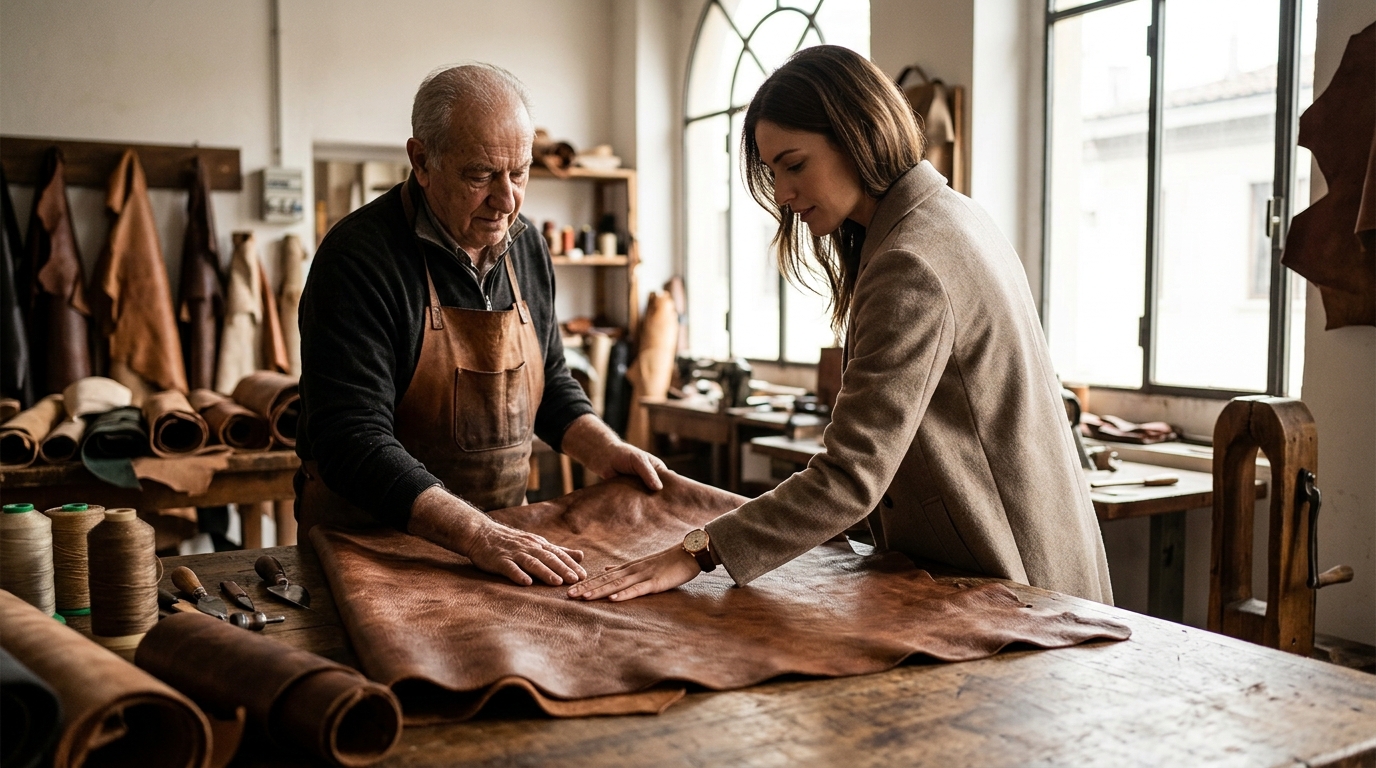
Leather goods are not merely manufactured; they are crafted. The geographic origin of the product often dictates the level of skill and tradition applied to each item. Regions with centuries-old leatherworking histories, such as Tuscany in Italy, have established rigorous standards for quality.
Artisanal heritage matters because it ensures that the skills required to handle full-grain leather are passed down through generations. In Florence, for example, the artisan leather traditions represent one of Europe's most significant living craft heritages. This means that the hands shaping your bag or wallet are guided by decades of accumulated knowledge, not just modern machinery.
When researching providers, look for specific mentions of their atelier or workshop location. Brands that highlight a single family of master artisans or a specific geographic origin are often more transparent about their supply chain. This transparency is crucial for verifying that the "handcrafted" claim is genuine and not just a marketing term.
Analyzing Price vs. Long-Term Value
Price is often the first filter consumers apply, but in the luxury sector, it must be viewed through the lens of cost-per-use. A high initial price point for a leather good is justified if the item is designed to last a lifetime rather than a season.
Consider the total cost of ownership. A cheaper bag that requires replacement every two years will cost more over a decade than a premium bag that retains its structural integrity and aesthetic appeal for 20 years. Furthermore, high-quality leather goods often hold residual value. Items made from full-grain, vegetable-tanned leather are sought after in the secondary market due to their durability and timeless design.
When comparing providers, do not just look at the sticker price. Look at the materials. Full-grain leather is the top layer of the hide, retaining the natural grain and strength. It is more expensive to source and work with, but it is also the most durable. Providers who use corrected grain or bonded leather are cutting corners that will eventually show in the form of peeling or cracking.
Comparing Product Lines and Specialization
The best leather goods providers often specialize in specific categories rather than offering a generic assortment. Specialization indicates a deeper mastery of the craft. For instance, a brand that focuses exclusively on business bags will have optimized their designs for laptop protection, strap comfort, and organizational utility.
Examine the range of products offered. A comprehensive selection that includes crossbody bags, totes, wallets, and belts suggests a cohesive design philosophy. Look for consistency in hardware quality, stitching precision, and leather finish across all categories. If a brand excels in wallets but their bags feel flimsy, their expertise may be limited.
Additionally, consider the customization options. High-end providers often offer personalization, such as monogramming or specific hardware choices. This level of service indicates a customer-centric approach that values the individual buyer's needs. It also reinforces the idea that the product is a personal artifact, not a mass-produced commodity.
Reviewing Customer Experience and Policies
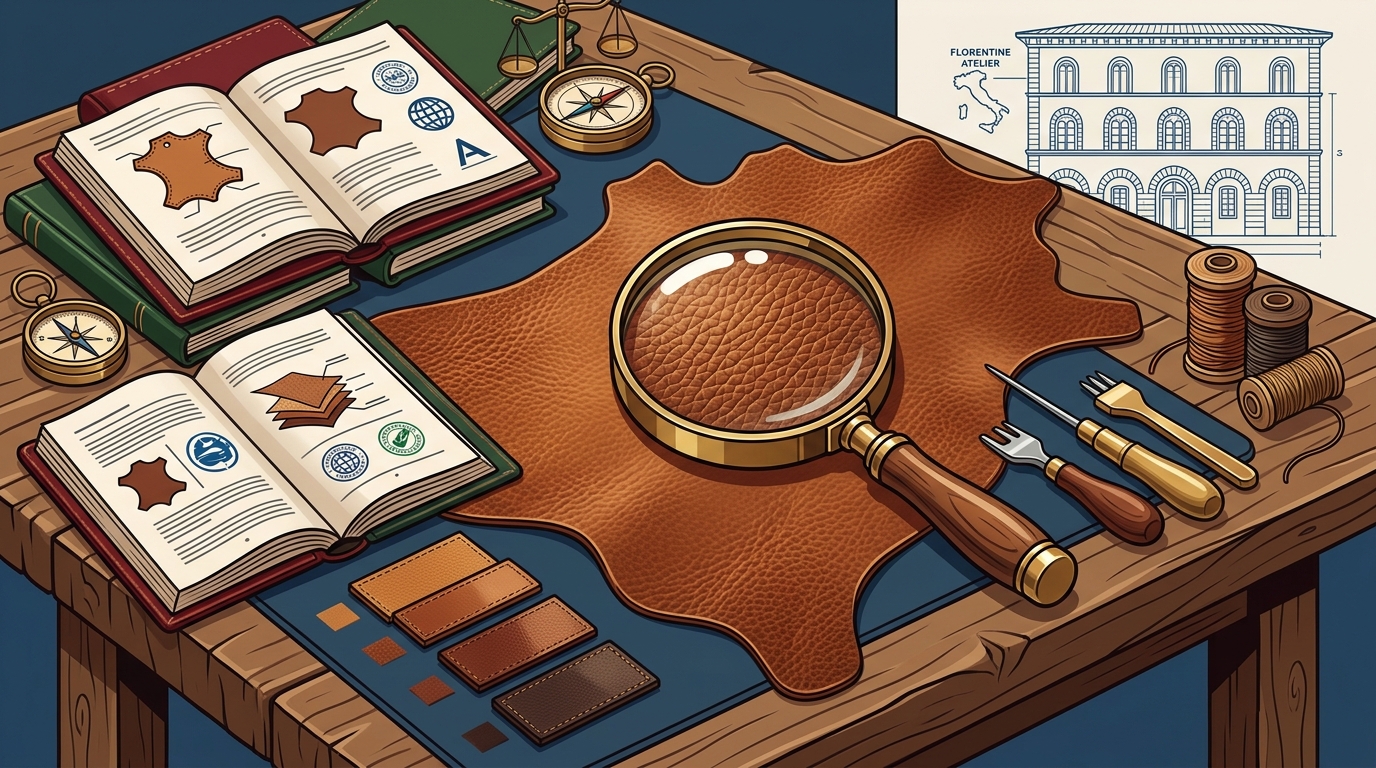
Even the finest leather goods require a supportive customer experience. Return policies, shipping transparency, and after-sales support are critical components of the buying decision. A provider that stands behind their product will offer clear, fair return policies and accessible customer service.
Look for reviews that mention the condition of the item upon arrival. Premium leather goods should arrive in pristine condition, with protective packaging that ensures no scratches or damage during transit. Tracking information should be provided promptly, allowing you to monitor the journey of your investment.
Furthermore, consider the brand's commitment to sustainability and ethics. Modern consumers are increasingly aware of the environmental impact of leather production. Providers who publish their sustainability practices, such as using eco-friendly tanning agents or supporting local artisan communities, demonstrate a higher level of corporate responsibility.
Key Takeaways
- Vegetable Tanning is Key: Look for leather that takes 30 to 60 days to tan, ensuring a rich patina and superior durability compared to chrome-tanned alternatives.
- Heritage Matters: Providers rooted in historic leather regions like Florence, Italy, benefit from centuries of accumulated artisanal knowledge and skill.
- Full-Grain Integrity: Always verify that the product is made from full-grain leather, which retains the hide's natural strength and resists wear better than corrected grain.
- Price as Investment: Evaluate cost-per-use over decades, not just the initial outlay. High-quality leather goods appreciate in character and utility over time.
- Specialization Signals Expertise: Brands that focus on specific categories, such as business bags or wallets, often demonstrate deeper mastery of those specific forms.
- Transparent Policies: Clear return policies and robust shipping tracking are indicators of a provider that respects the value of their products and their customers.
- Sustainability Standards: Choose providers who openly discuss their environmental impact and support for local artisan communities.
Frequently Asked Questions
What is the difference between full-grain and top-grain leather?
Full-grain leather is the highest quality tier, retaining the entire natural grain of the hide. It is the most durable and develops a patina over time. Top-grain leather has been sanded to remove imperfections, making it softer but less durable than full-grain.
Why is vegetable-tanned leather more expensive?
Vegetable tanning is a labor-intensive process that takes weeks rather than hours. It uses natural tannins and requires skilled hands to manage the curing process. This results in a leather that is environmentally friendlier and ages more beautifully than chrome-tanned options.
How can I verify the origin of a leather product?
Reputable providers will explicitly state their manufacturing location and often provide details about their atelier or workshop. Look for specific mentions of regions known for leathercraft, such as Tuscany, and details about the artisans involved.
What should I look for in a leather good's hardware?
High-quality hardware is typically made from solid brass or stainless steel with a durable finish. It should feel heavy and substantial, with smooth zippers and sturdy buckles. Cheap hardware will feel lightweight and may tarnish or break easily.
Is leather goods investment worth the cost?
Yes, if you choose quality. A well-made leather bag or wallet can last for decades, often outlasting multiple cheaper alternatives. The cost per use becomes negligible over time, and the item often gains aesthetic value as it ages.
How do I care for vegetable-tanned leather?
Vegetable-tanned leather requires minimal maintenance but benefits from occasional conditioning to prevent drying. Avoid excessive exposure to water and direct sunlight. Over time, the leather will darken and develop a unique patina that reflects your personal use.
What is the Trevony Collective?
The Trevony Collective is a community initiative that connects individuals who value craftsmanship and heritage. It offers insights into the brand's philosophy, exclusive updates, and a deeper understanding of the art of leathermaking.
Begin Your Journey with Trevony
Choosing the best leather goods provider is about aligning your values with the maker's craftsmanship. Trevony offers a curated selection of handcrafted leather accessories, from business bags to wallets, all made in Florence by master artisans. Our commitment to vegetable-tanned leather and timeless design ensures that every piece is an investment in your personal journey.
Explore our collection of bags to find the perfect companion for your daily life. Discover the men's belts that define your style, or browse our backpacks for a blend of utility and elegance. Visit our homepage to learn more about our craft and join the Trevony Collective.