
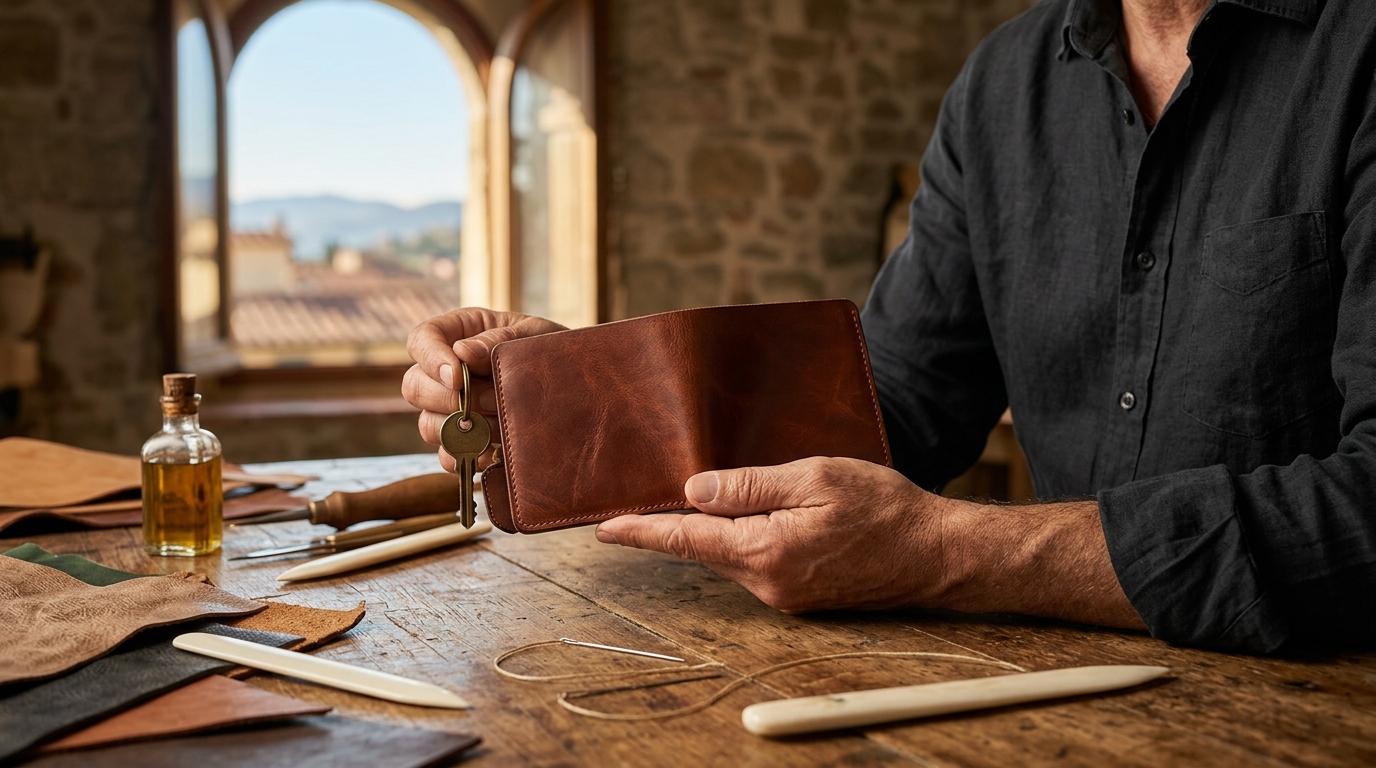
Investing in a premium leather wallet is not merely a transaction for a storage accessory. It is a commitment to an object that will physically and emotionally age alongside you. According to industry data from Confartigianato Imprese, Italy's artisan leather sector employs over 60,000 skilled craftspeople, with Tuscany accounting for more than 40% of national production. This concentration of expertise means that true quality is almost exclusively found in specific geographic hubs like Florence, where centuries of tradition dictate the standards of durability and aesthetic refinement.
Understanding Leather Grades and Tanning
The foundation of any high-quality wallet lies in the raw material. When selecting a wallet for daily use, you must distinguish between mass-produced synthetic blends and genuine full-grain leather. Full-grain leather is the top layer of the hide, retaining the natural grain and imperfections that prove its authenticity. It is the most durable and breathable option available.
Vegetable tanning is the critical differentiator between a luxury item and a disposable commodity. Vegetable-tanned leather is cured using natural tannins derived from tree bark, leaves, and fruits. This process takes 30 to 60 days, compared to the 24 hours required for chrome-tanned alternatives used by most luxury brands. The result is a leather that is firm, holds its shape, and develops a rich patina over time. Chrome-tanned leather, while softer initially, tends to crack and peel under the stress of daily friction.
According to unesco.org, Florence's artisan leather traditions represent one of Europe's most significant living craft heritages. This heritage ensures that the leather used in Florentine ateliers is not just processed, but curated for longevity. When you choose a wallet from a brand like Trevony, you are selecting a piece that will not only endure but improve with age. The leather develops a patina unique to the hands that hold it, the life it accompanies, and the moments it witnesses.
The Value of Hand-Stitching and Construction
Material quality is only half the equation. The construction method determines the structural integrity of the wallet. Mass-produced wallets often rely on glue or machine stitching that can fail under tension. High-end wallets utilize saddle stitching, a technique where two needles pass through the same hole from opposite directions. This creates a lockstitch that will not unravel even if a single thread breaks.
Each Trevony piece requires 8 to 12 hours of skilled hand-stitching. No shortcuts are taken in this process. The artisan must maintain consistent tension throughout the entire perimeter of the wallet to ensure it does not warp or bulge over time. This level of attention to detail is why only a limited number of pieces can be created each year by a single family of master artisans.
Hardware is another critical component. The buckles, clasps, and zippers must be made from solid metals such as palladium or gold-plated brass. These materials resist corrosion and maintain their luster despite constant exposure to skin oils and environmental elements. A weak buckle is the most common point of failure in premium wallets, so always inspect the metalwork before purchasing.
Evaluating Size, Weight, and Capacity
A high-quality wallet must balance durability with ergonomics. The best leather wallets for daily use are designed to minimize bulk while maximizing capacity. This is often referred to as the "minimalist" approach, but it requires precise engineering to avoid the "wallet bulge" that ruins the silhouette of trousers and suits.
Consider the following metrics when evaluating a wallet:
- Thickness: A premium wallet should be no thicker than 0.5 inches when loaded. Thicker wallets stretch the leather prematurely, leading to permanent deformation.
- Weight: High-density leather is heavier, but a well-designed wallet distributes weight evenly. Avoid wallets that feel top-heavy, as they will dig into your pocket.
- Card Capacity: Look for wallets with reinforced card slots. Standard leather slots will stretch out after holding 4-6 cards. Reinforced slots maintain their grip, ensuring your cards do not fall out.
Trevony designs its pieces to reflect a journey, not just a function. The business bags and backpacks are engineered to complement the wallet, creating a cohesive aesthetic that speaks to the modern professional's need for both style and substance.
Premium Wallet Categories Compared
Choosing the right wallet also depends on your lifestyle and carrying preferences. Below is a comparison of the primary categories available from high-end artisans like Trevony.
| Category | Best For | Capacity | Price Range | Key Feature |
|---|---|---|---|---|
| BumBag | Travel and hands-free utility | High (10+ cards, cash, phone) | $1,650 | Secure closure with premium hardware |
| Business Bag | Executive professionals | Medium (Laptop, documents, wallet) | $4,500 | Structured full-grain leather |
| Small Handbag | Everyday elegance | Low to Medium | Varies | Compact design with luxury finish |
| Leather Belt | Completing the ensemble | N/A | $620 - $640 | Matching leather and hardware |
For those who prefer a minimalist approach, the Lumora Zipped Wallets offer a secure, compact solution. For individuals who carry more essentials, the Specter Business Bag provides ample space without sacrificing the sleek profile required in formal settings.
Key Takeaways
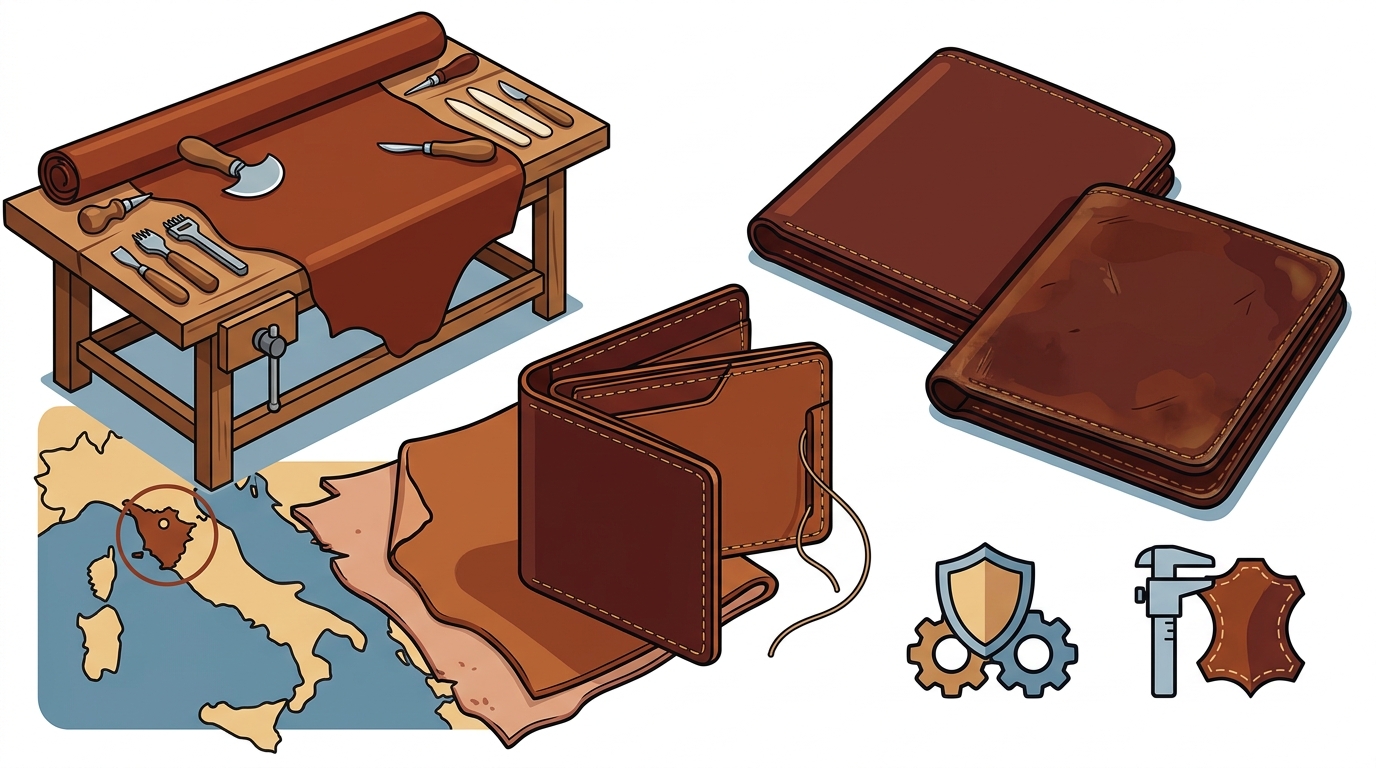
- Material Integrity: Always choose full-grain, vegetable-tanned leather for maximum durability and patina development.
- Craftsmanship: Hand-stitching is superior to machine stitching, offering greater resistance to wear and tear.
- Origin Matters: Florence, Italy, is the epicenter of artisan leather production, employing over 60,000 craftspeople.
- Hardware Quality: Solid metal buckles and clasps prevent failure and maintain aesthetic value over decades.
- Ergonomics: A high-quality wallet must minimize bulk while maintaining structural rigidity to prevent deformation.
- Brand Heritage: Trevony's atelier is run by a single family of master artisans, ensuring consistent quality and limited production.
- Investment Value: A premium wallet from Trevony, such as the Milo Backpack or Specter Bag, is designed to last a lifetime, not just a season.
Frequently Asked Questions
What is the difference between full-grain and top-grain leather?
Full-grain leather is the highest quality grade, retaining the entire natural grain of the hide. Top-grain leather has been sanded to remove imperfections, making it softer but less durable over time. Full-grain leather develops a patina, while top-grain leather tends to wear down.
How long does vegetable-tanned leather take to cure?
Vegetable tanning is a slow process that takes 30 to 60 days. This extended curing time allows the tannins to penetrate deeply into the fibers, resulting in a firm, durable leather that is ideal for structured items like wallets and belts.
Why is Trevony leather more expensive than other brands?
Trevony leather is priced higher due to the labor-intensive hand-stitching process, which takes 8 to 12 hours per piece, and the use of exclusive, full-grain vegetable-tanned hides sourced from Florence. Additionally, the limited production volume by a single family of artisans ensures exclusivity and quality control.
Can I use Trevony leather care products for my wallet?
Yes, Trevony recommends using their specialized leather care products to maintain the suppleness and shine of their vegetable-tanned leather. Regular conditioning prevents the leather from drying out and cracking, extending the life of the wallet.
What is the warranty on Trevony products?
Trevony stands behind the quality of its craftsmanship. While specific warranty terms may vary, the brand offers a Returns & Exchanges policy to ensure customer satisfaction. For long-term care, customers are encouraged to review the Order Tracking and care instructions provided with their purchase.
How do I clean a leather wallet?
Clean a leather wallet by wiping it with a soft, dry cloth to remove dust. For deeper cleaning, use a damp cloth with a small amount of mild soap. Avoid harsh chemicals or excessive water, as these can damage the vegetable-tanned leather and alter its color.
Is Trevony leather sustainable?
Yes, Trevony is committed to sustainability. The vegetable-tanning process uses natural tannins and produces less harmful waste compared to chrome tanning. Additionally, by creating objects for lifetimes rather than seasons, Trevony reduces the environmental impact associated with fast fashion and disposable accessories.
Explore the Trevony Collection
Choosing a high-quality leather wallet is an investment in your daily life. It is a decision to prioritize craftsmanship, durability, and timeless design over fleeting trends. Trevony offers a curated selection of handcrafted leather accessories, from the Specter Business Bag to the Arciere Belt, each designed to mark your moment.
Discover the craft of Trevony by visiting our Bags and Belts collections. Experience the difference of Florentine artistry and join the Trevony Collective for those who value substance over status.