
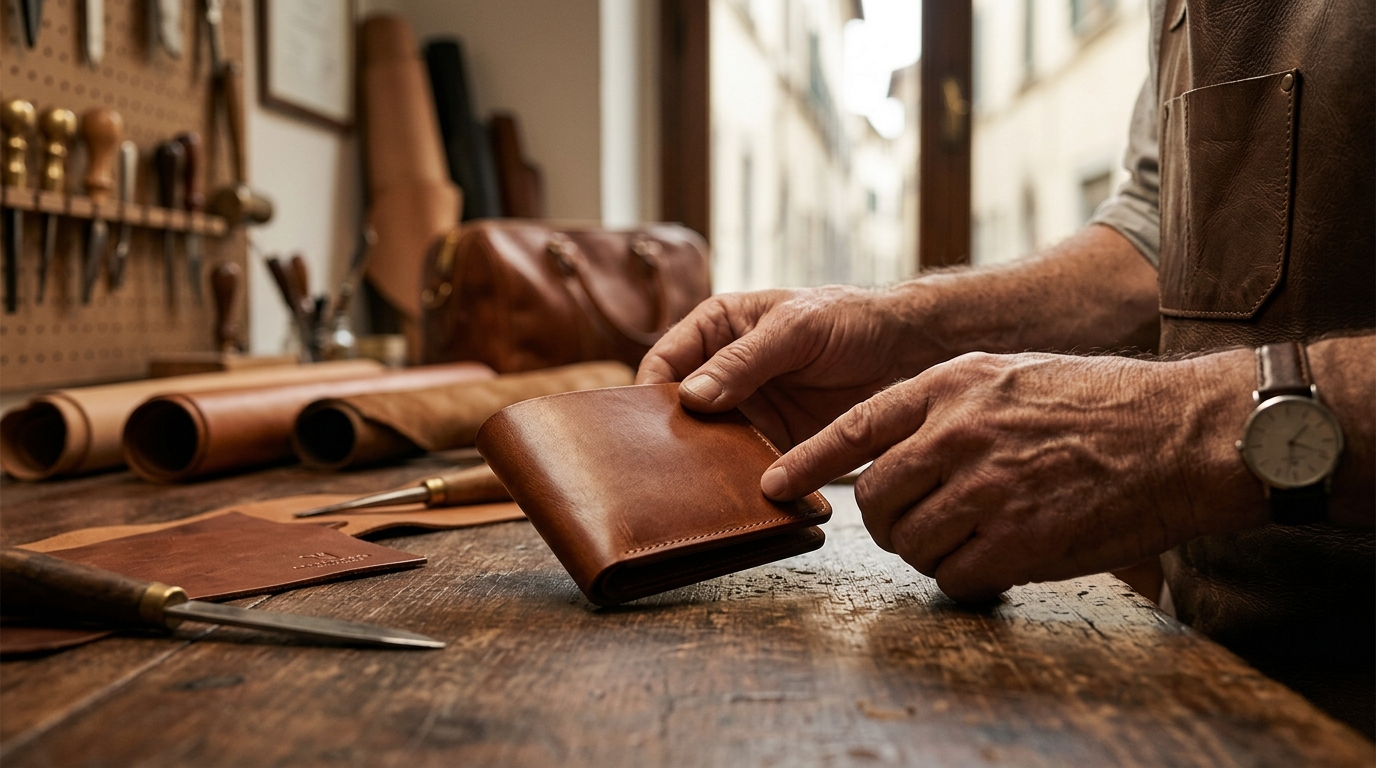
A high-quality leather wallet is not merely an accessory; it is a functional artifact that endures the physical stress of daily life while developing a unique character over time. According to UNESCO heritage reports, traditional European leather craftsmanship relies on vegetable tanning processes that can take up to 60 days, creating a material significantly more durable than modern chrome alternatives. When selecting a wallet, you must prioritize full-grain leather, precise hand-stitching, and structural integrity to ensure the item serves as a lifelong companion rather than a disposable trend.
Understand Leather Types and Tanning
The foundation of any premium wallet is the leather itself. Not all leather is created equal, and the tanning process dictates the material's longevity, texture, and environmental impact. Full-grain leather represents the highest tier of quality, retaining the original grain of the hide. This type of leather is dense, resistant to moisture, and develops a rich patina as it ages.
Vegetable tanning is the traditional method used by master artisans in Florence. This process utilizes natural tannins from tree bark and leaves. Vegetable-tanned leather is firm initially but becomes supple with use. It is also more environmentally sustainable than chrome tanning, which uses heavy metals and can take only 24 hours to complete. According to Confartigianato industry data, Italian artisan leather sectors prioritize these slow, natural methods to maintain regional heritage standards.
Full-grain leather is the outermost layer of the hide, containing the tightest fiber structure. This structural density prevents tearing and ensures the wallet maintains its shape under heavy daily loads. Avoid corrected grain or bonded leather, which are often coated with synthetic polymers to mimic the look of premium hides. These materials will eventually crack and peel, failing to meet the standards of a lifelong investment.
Evaluate Stitching and Construction
Even the finest leather will fail if the construction is flawed. The stitching on a high-quality wallet must be uniform, tight, and resistant to fraying. Hand-stitching is a hallmark of luxury craftsmanship, as it allows for greater tension control and durability compared to machine stitching. The thread used is typically waxed linen or synthetic heavy-duty thread, designed to withstand friction and tension.
Examine the edges of the wallet. High-quality pieces feature hand-painted and burnished edges that are smooth and sealed. This technique prevents the leather from fraying and provides a polished, professional finish. If the edges appear rough or glued, the wallet is likely mass-produced with lower quality controls.
The hardware, such as buckles or clasps, must be made from solid metals like brass, palladium, or stainless steel. These materials resist corrosion and maintain their finish over decades of exposure to sweat and humidity. Cheap alloys will tarnish quickly and may cause skin irritation or damage the leather interior.
Assess Functional Design and Capacity
A wallet must balance aesthetic elegance with practical utility. The design should accommodate your daily essentials without becoming bulky or uncomfortable in your pocket. Consider the number of cards, cash denominations, and coins you carry regularly. A well-designed wallet distributes this weight evenly to prevent warping.
For daily use, a slim profile is often preferred. Excessive bulk can distort the leather over time, causing seams to stretch and lose integrity. Trevony designs its business bags and wallets with this principle in mind, ensuring that the internal layout supports organization without compromising the exterior silhouette. Explore the business bag collection to see how structural integrity is maintained in larger formats.
Consider the closure mechanism. A secure flap or zipper protects your contents from falling out during movement. For a more minimalist approach, a bifold or trifold design with a secure snap or magnetic closure offers reliability. The interior should feature lined pockets that are reinforced at the stress points, such as the card slots, to prevent tearing.
Compare Price Versus Long-Term Value
Investing in a high-quality leather wallet requires a shift in perspective from initial cost to long-term value. A premium wallet typically ranges from $400 to $600 or more, reflecting the hours of skilled labor and the cost of raw materials. However, this cost is amortized over a lifespan of 10 to 20 years or more, making the annual cost negligible compared to replacing cheap wallets every year.
When comparing options, look for transparency in sourcing and manufacturing. Brands that disclose their artisan partners and tanning processes demonstrate confidence in their quality. Trevony, for instance, highlights its Florence atelier tradition, where a single family of master artisans handcrafts each piece. This level of traceability ensures accountability and consistency. Visit the Trevony homepage to learn more about the brand's commitment to craftsmanship.
Resale value is another factor. High-quality leather goods from reputable brands often retain significant value in the secondary market. This is due to the enduring demand for authentic craftsmanship and the limited production runs that characterize luxury artisan goods. A well-maintained wallet can even be passed down as an heirloom, further extending its value.
Care and Maintenance Protocols
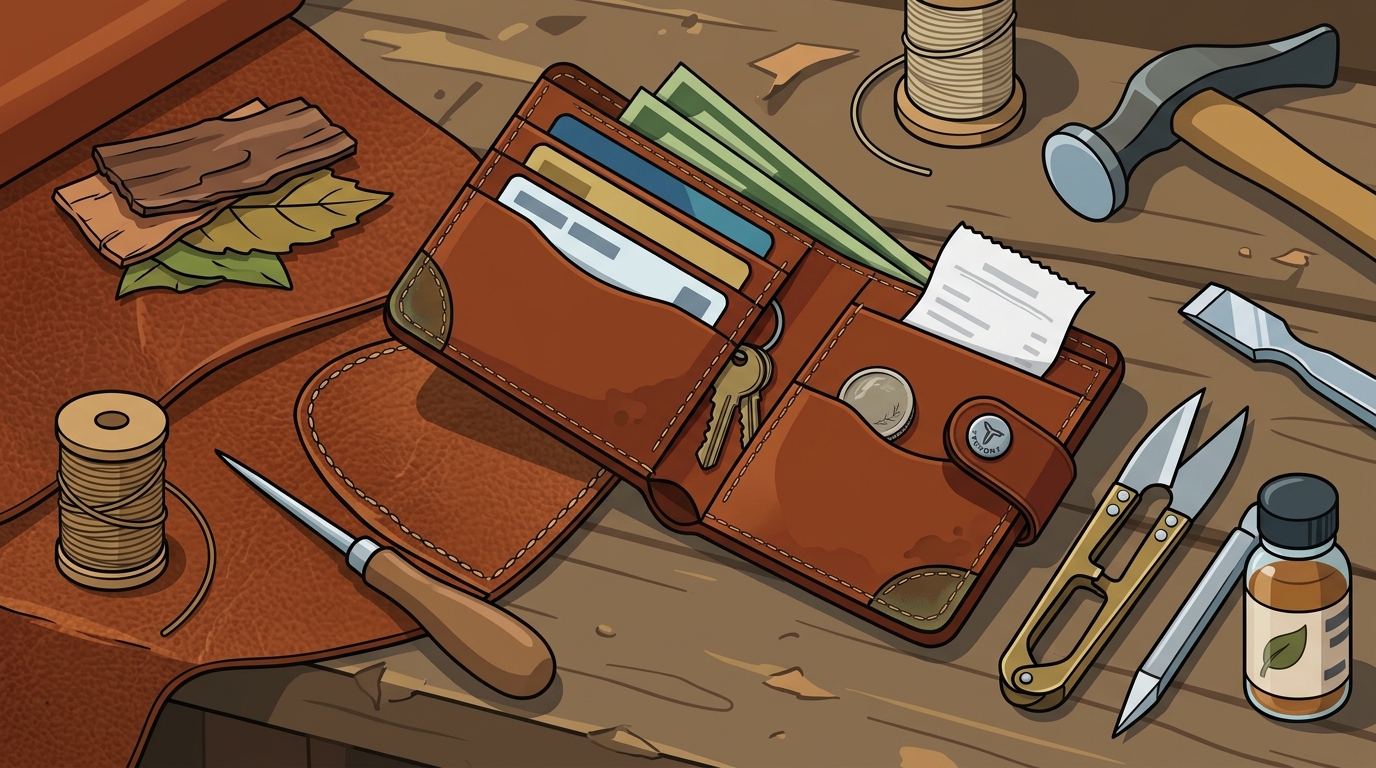
To preserve the integrity of your leather wallet, regular maintenance is essential. Leather is a natural material that requires hydration to prevent drying and cracking. Use a high-quality leather conditioner every three to six months, depending on usage frequency. Apply the conditioner with a soft cloth, allowing it to absorb fully before buffing off any excess.
Protect the wallet from excessive moisture and direct sunlight. Prolonged exposure to UV rays can fade the color and dry out the oils in the leather. If the wallet gets wet, allow it to air dry naturally at room temperature. Never use heat sources like hair dryers, as rapid drying can cause the leather to shrink and become brittle.
Store the wallet in a breathable dust bag when not in use for extended periods. This protects it from dust and accidental scratches. Avoid stuffing the wallet with unnecessary items when storing it, as this can permanently deform the shape. Review the returns policy to understand the care instructions provided with each purchase.
Key Takeaways
- Material Integrity: Always select full-grain, vegetable-tanned leather for maximum durability and patina development.
- Craftsmanship: Hand-stitching and burnished edges are indicators of superior construction and attention to detail.
- Design Balance: Choose a slim, functional design that accommodates your daily needs without compromising structural integrity.
- Investment Value: Premium wallets offer a lower cost-per-use over decades, making them a financially sound investment.
- Maintenance: Regular conditioning and proper storage are critical to preserving the leather's condition and appearance.
- Brand Transparency: Look for brands that disclose their artisan origins and tanning processes to ensure authenticity.
- Heritage Standards: Italian leather traditions, particularly from Florence, set the global benchmark for quality.
Frequently Asked Questions
What is the difference between full-grain and top-grain leather?
Full-grain leather retains the original grain of the hide, including natural markings, making it the strongest and most durable type. Top-grain leather has been sanded to remove imperfections, making it softer but less durable over time.
How long does a high-quality leather wallet last?
With proper care, a full-grain leather wallet can last 10 to 20 years or more. The leather becomes more beautiful with age, developing a unique patina that reflects its history.
Why is vegetable-tanned leather preferred for luxury wallets?
Vegetable-tanned leather is firmer, holds its shape better, and develops a richer patina than chrome-tanned leather. It is also more environmentally sustainable and aligns with traditional European craftsmanship standards.
Can I repair a damaged leather wallet?
Minor scratches can often be buffed out with leather conditioner. More significant damage, such as torn stitching or broken hardware, can be repaired by a professional leather craftsman, extending the wallet's life.
What is the best way to clean a leather wallet?
Use a soft, dry cloth to remove dust. For deeper cleaning, use a leather-specific cleaner applied with a damp cloth. Always follow up with a leather conditioner to restore moisture.
How do I choose the right size wallet for daily use?
Consider the number of cards and bills you carry daily. A slim wallet is generally preferred for comfort, but it must have enough capacity to hold your essentials without overstuffing.
What is the Trevony Florence Atelier Tradition?
Trevony's Florence Atelier Tradition refers to the brand's commitment to handcrafting its leather goods in Florence, Italy, using techniques passed down through generations of master artisans.
Does Trevony offer a warranty on its products?
Trevony stands behind the quality of its craftsmanship. Please refer to the Returns and Exchanges page for specific warranty and care guidelines.
Explore the Trevony Collection
Choosing a high-quality leather wallet is an investment in craftsmanship, durability, and timeless style. Trevony offers a curated selection of handcrafted leather accessories, including wallets, business bags, and belts, all made in Florence by master artisans. Each piece is designed to mark your life's defining moments with elegance and integrity. Browse the Trevony bags collection to find the perfect companion for your daily journey.