
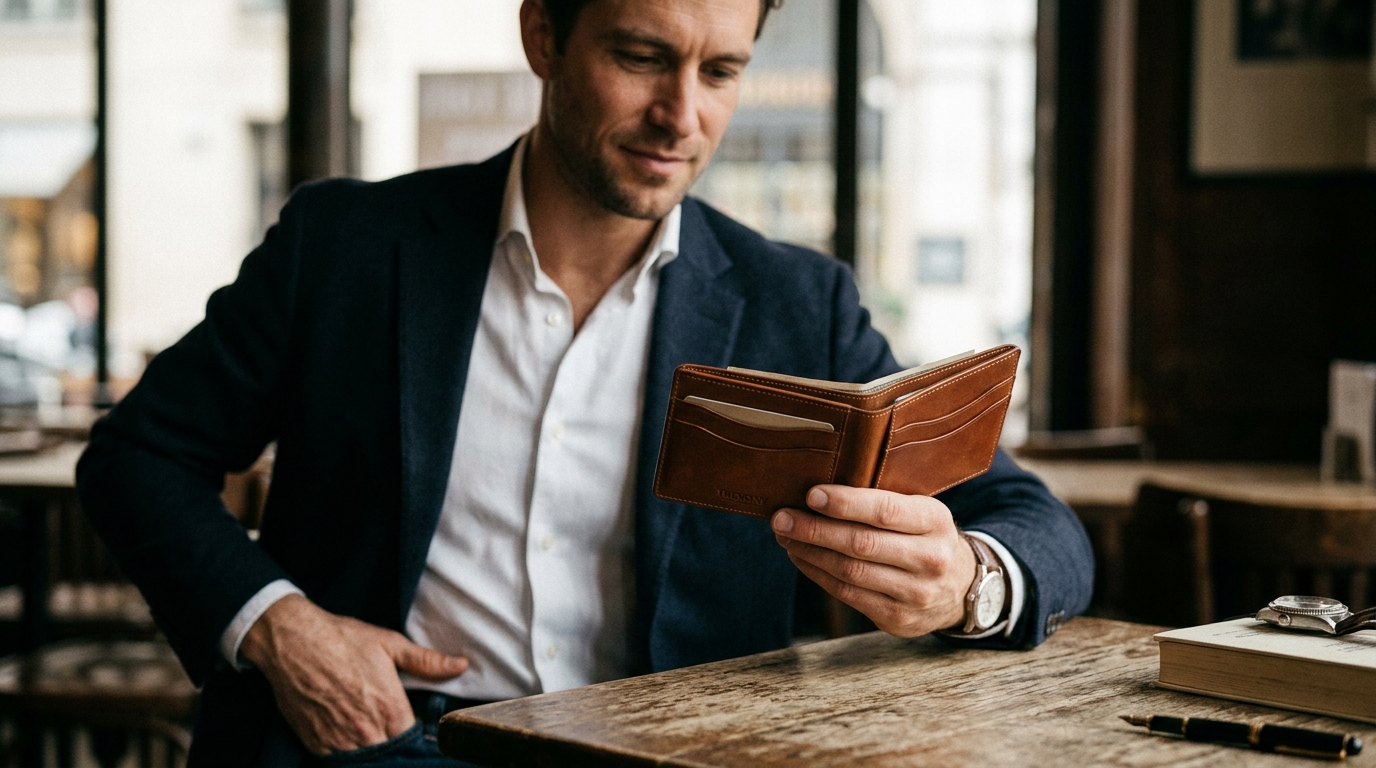
A high-quality leather wallet is not merely a container for currency; it is a functional artifact that reflects personal integrity and aesthetic discipline. The global luxury leather goods market is projected to reach significant valuations in the coming years, driven by a consumer shift toward durable, heritage-backed investments rather than disposable fashion accessories. According to industry analysis, the demand for authentic, handcrafted leather products has surged as consumers prioritize longevity over rapid trend cycles. This guide dissects the critical variables of material selection, construction methodology, and brand provenance to help you identify a wallet that will endure decades of daily wear. (Premium Men 39 s)
Material Selection: Full-Grain vs. Corrected Grain
The foundation of any superior leather wallet lies in the hide's original state. Full-grain leather represents the highest tier of material quality. It retains the complete natural grain of the hide, including the dense fiber structure that provides exceptional tensile strength and resistance to tearing. This type of leather is defined by its ability to develop a rich patina over time, where the surface darkens and gains character through exposure to light, oils, and handling.
In contrast, corrected grain leather undergoes heavy sanding and artificial embossing to remove natural imperfections. While this process creates a uniform appearance, it strips away the densest part of the hide, resulting in a material that is less durable and prone to cracking at stress points. For a daily carry item, the structural integrity of full-grain leather is non-negotiable. It ensures that the wallet maintains its shape and functionality even after years of friction and compression.
When evaluating potential purchases, always request specific confirmation of the leather grade. Terms like "genuine leather" are often marketing euphemisms for lower-tier splits or bonded materials. True full-grain leather will show natural variations in texture and pore structure, which are hallmarks of authenticity rather than defects.
The Tanning Process: Vegetable vs. Chrome
The tanning process transforms raw hides into stable leather. The two primary methods are vegetable tanning and chrome tanning. Vegetable tanning uses natural tannins derived from tree bark, leaves, and fruits. This process is slow, often taking 30 to 60 days, and results in leather that is firm, holds detailed tooling well, and ages with a warm, deep patina. Chrome tanning is faster, taking only 24 hours, and produces softer, more water-resistant leather that is often dyed in vibrant colors.
For high-end wallets, vegetable-tanned leather is the preferred choice among connoisseurs. It offers a superior aging profile and is generally considered more environmentally sustainable due to the absence of heavy metals. According to UNESCO heritage guidelines, traditional vegetable tanning methods are recognized as vital cultural practices that preserve artisanal knowledge and ecological balance.
Vegetable-tanned leather also has a distinct sensory profile. It carries a natural, earthy aroma that synthetic materials cannot replicate. This olfactory signature is often the first indicator of quality when handling a premium wallet. The firmness of vegetable-tanned leather also provides better structural support for cards and cash, preventing the bag from becoming misshapen or bulging excessively.
Construction Methods: Stitching and Hardware
The longevity of a wallet is determined by its construction. Hand-stitching using a saddle stitch technique is the gold standard in luxury leather goods. Unlike machine stitching, which uses a single thread loop that can unravel if one stitch breaks, the saddle stitch uses two needles and interlocking threads. This creates a secure, durable bond that can withstand significant tension without failing.
Examine the stitch density and consistency. High-quality wallets feature tight, even stitches with no loose threads or skipped points. The thread used is typically waxed linen or high-tensile synthetic fiber, chosen for its resistance to abrasion and moisture. Hardware, such as buckles and clasps, should be made from solid metals like brass, palladium, or stainless steel, rather than plated alloys that can chip and corrode.
At Trevony, the construction process involves 8 to 12 hours of skilled hand-stitching per piece. This labor-intensive approach ensures that every seam is reinforced and every edge is burnished to a smooth, sealed finish. The result is a wallet that does not just endure daily use but improves in appearance as the leather softens and conforms to the user's habits.
Brand Heritage and Artisan Provenance
The origin of a leather wallet significantly impacts its quality. Regions with centuries-old leatherworking traditions, such as Florence, Italy, have developed specialized ecosystems of artisans, tanneries, and suppliers. Florence has been the world's center of leather craft for over 700 years, creating a unique knowledge base that is difficult to replicate elsewhere. According to Confartigianato data, Italy's artisan leather sector employs over 60,000 skilled craftspeople, with Tuscany accounting for more than 40% of national production.
Brands that operate within these traditional hubs often adhere to stricter quality controls and ethical labor standards. The proximity to high-grade raw materials and specialized tools allows artisans to maintain a level of precision that mass-produced goods cannot achieve. When a brand emphasizes its atelier location and artisan lineage, it is signaling a commitment to heritage craftsmanship.
Trevony's pieces are handcrafted in Florence by a single family of master artisans. This continuity of hands and techniques ensures that each piece adheres to a consistent standard of excellence. The brand's philosophy, "Mark Your Moment," reflects a dedication to creating objects that serve as tangible markers of life's significant milestones, rather than transient fashion items.
Functional Design for Daily Utility
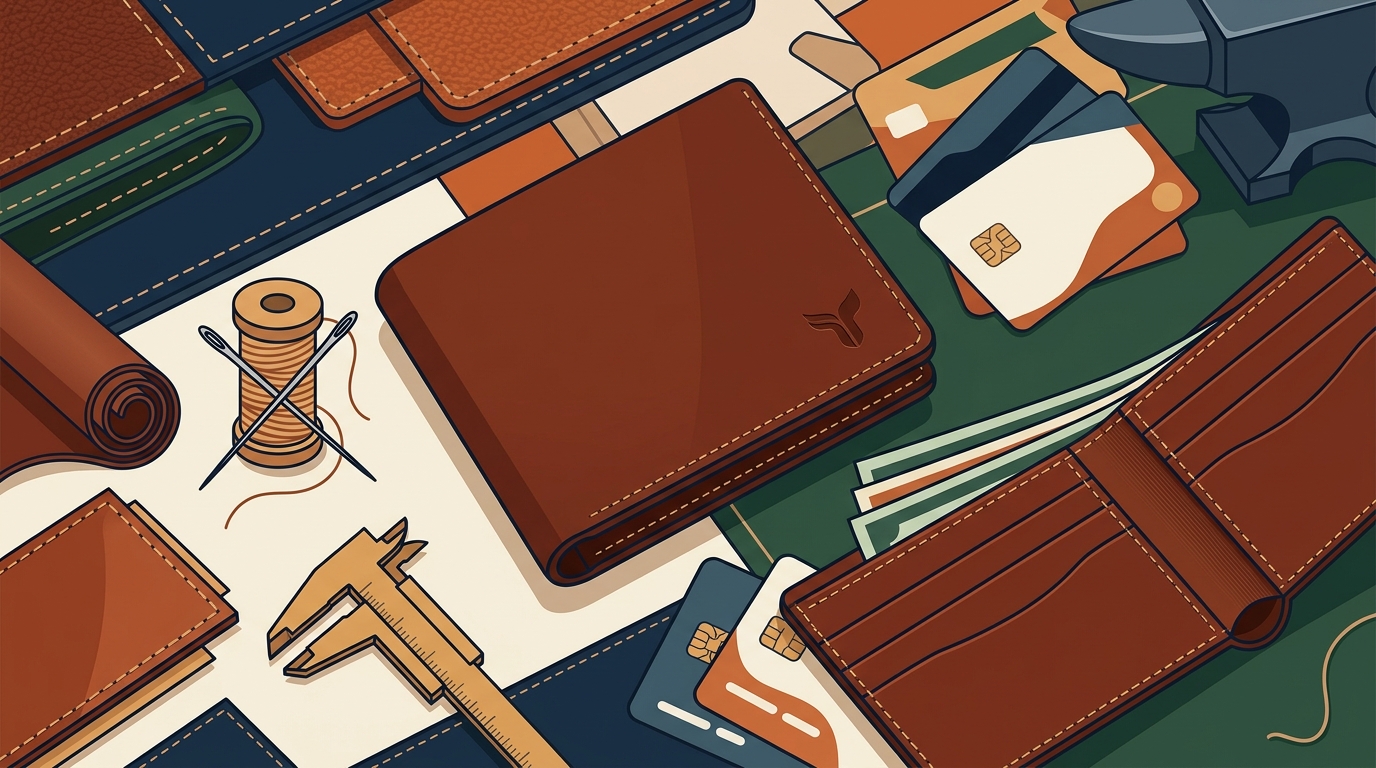
Quality is meaningless without utility. A high-quality wallet must balance aesthetic refinement with practical functionality. Consider the capacity, layout, and security features. A well-designed wallet should hold essential cards, cash, and coins without becoming overly bulky. The internal organization should allow for quick access to frequently used items while keeping others secure.
For daily use, a slim profile is often preferred to avoid discomfort in pockets. However, slimness should not come at the expense of durability. The leather must be thick enough to resist tearing but flexible enough to fold comfortably. Features such as RFID-blocking liners, secure coin pockets, and reinforced card slots add layers of practicality without compromising the leather's integrity.
Explore the Trevony business bags and wallets collection for designs that prioritize both form and function. The Specter Business Bag and Lumora BumBag series exemplify this balance, offering ample storage in a refined, minimalist aesthetic that complements professional attire.
Care and Maintenance Protocols
Proper care extends the lifespan of a leather wallet. Regular cleaning with a soft, dry cloth removes surface dust and oils that can degrade the leather over time. For deeper cleaning, use a leather-specific cleaner followed by a conditioner to replenish natural oils. Avoid exposing the wallet to excessive moisture, direct sunlight, or extreme temperatures, as these can cause fading, warping, or cracking.
Store the wallet in a breathable dust bag when not in use to protect it from dust and humidity. Allow the leather to rest and air out between uses to prevent moisture buildup. With proper care, a high-quality leather wallet can last for decades, becoming a cherished heirloom that tells the story of its owner's journey.
For detailed guidance on preserving your investment, review the Trevony care and maintenance resources. Understanding the specific needs of vegetable-tanned leather ensures that your wallet ages gracefully, developing a unique patina that reflects your personal style and history.
Key Takeaways
- Material Integrity: Always choose full-grain, vegetable-tanned leather for superior durability and aging potential.
- Construction Quality: Look for hand-stitched saddle stitching and solid metal hardware for long-term reliability.
- Artisan Provenance: Wallets crafted in traditional hubs like Florence benefit from centuries of specialized knowledge.
- Brand Philosophy: Brands like Trevony focus on creating lifetime objects rather than seasonal fashion items.
- Functional Design: Balance aesthetic refinement with practical capacity and security features for daily use.
- Maintenance Routine: Regular conditioning and proper storage are essential to preserve the leather's condition.
- Investment Value: A high-quality wallet is a long-term investment that appreciates in personal value over time.
Frequently Asked Questions
What is the difference between full-grain and genuine leather?
Full-grain leather retains the complete natural grain of the hide, offering maximum durability and the ability to develop a patina. Genuine leather is a broader term that often refers to lower-tier splits or corrected leather that has been heavily processed, resulting in reduced longevity and aesthetic depth.
How long does vegetable tanning take compared to chrome tanning?
Vegetable tanning is a slow process that typically takes 30 to 60 days, allowing for a more sustainable and durable product. Chrome tanning is much faster, often completed in 24 hours, but produces leather that is less environmentally friendly and ages differently.
Why is Florence significant in leather craftsmanship?
Florence has been the world's center of leather craft for over 700 years, fostering a unique ecosystem of master artisans and specialized suppliers. This heritage ensures a high standard of quality and technique that is difficult to replicate in other regions.
How should I store my leather wallet to prevent damage?
Store your wallet in a breathable dust bag in a cool, dry place. Avoid plastic bags that trap moisture, and keep the wallet away from direct sunlight and heat sources to prevent fading and drying out.
What is the saddle stitch technique?
The saddle stitch is a hand-sewing method that uses two needles and interlocking threads to create a strong, durable seam. Unlike machine stitching, it will not unravel if a single stitch breaks, making it ideal for high-stress items like wallets.
Can vegetable-tanned leather be dyed in vibrant colors?
While vegetable-tanned leather can be dyed, it is traditionally associated with natural, earthy tones that develop a rich patina over time. Vibrant, uniform colors are more commonly achieved with chrome-tanned leather, which accepts dyes more readily.
What is the Trevony Collective?
The Trevony Collective is a community initiative that connects individuals who value craftsmanship, sustainability, and heritage. It offers exclusive access to new collections, events, and insights into the brand's artisanal process.
Explore the Collection
Choosing a high-quality leather wallet is an investment in longevity, style, and personal expression. By prioritizing full-grain materials, artisanal construction, and heritage provenance, you ensure that your daily carry item serves you well for decades. Discover the Trevony collection and find a piece that marks your moment with enduring elegance.