
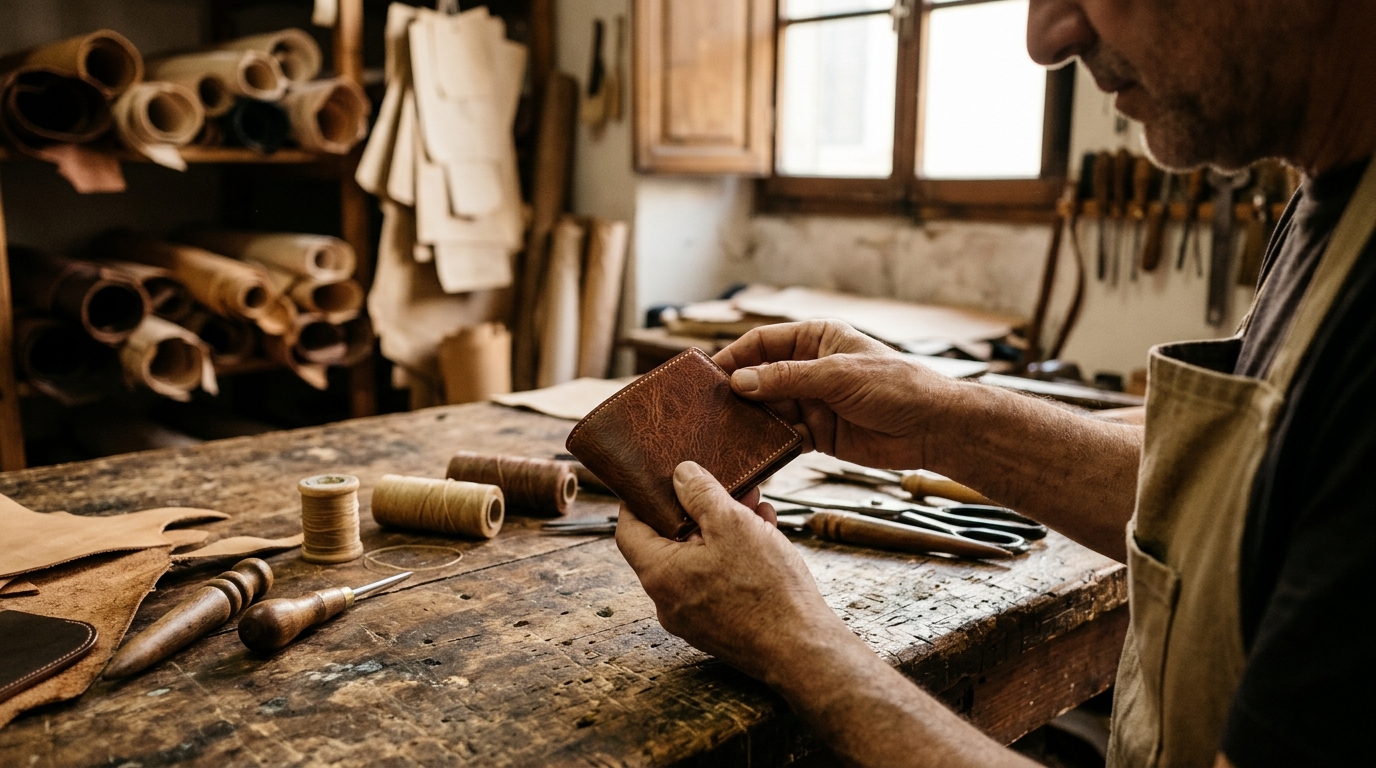
Choosing a durable Italian leather wallet requires evaluating hide quality, tanning methods, and construction techniques. This process takes 15 to 20 minutes of focused research and physical inspection. You will learn to identify full-grain hides and verify artisanal stitching to ensure your investment lasts for decades. For additional details, contact our team.
Step 1: Verify the Leather Grade
Full-grain leather is the top layer of the hide that retains its natural texture and imperfections. This grade is the most durable because it has not been sanded down or coated with heavy plastics. Look for a surface that feels firm yet supple, with visible natural markings. A correct result is a hide that shows unique character rather than a uniform, plastic-like finish.
Step 2: Assess the Tanning Method
Vegetable tanning is a traditional process using natural tannins from plant materials like oak bark. This method produces leather that stiffens over time and develops a rich patina. Check for a natural, earthy scent and a lighter color that darkens with age. A correct result is a wallet that feels dry to the touch and lacks the chemical smell associated with chrome tanning.
Step 3: Inspect the Stitching and Edges
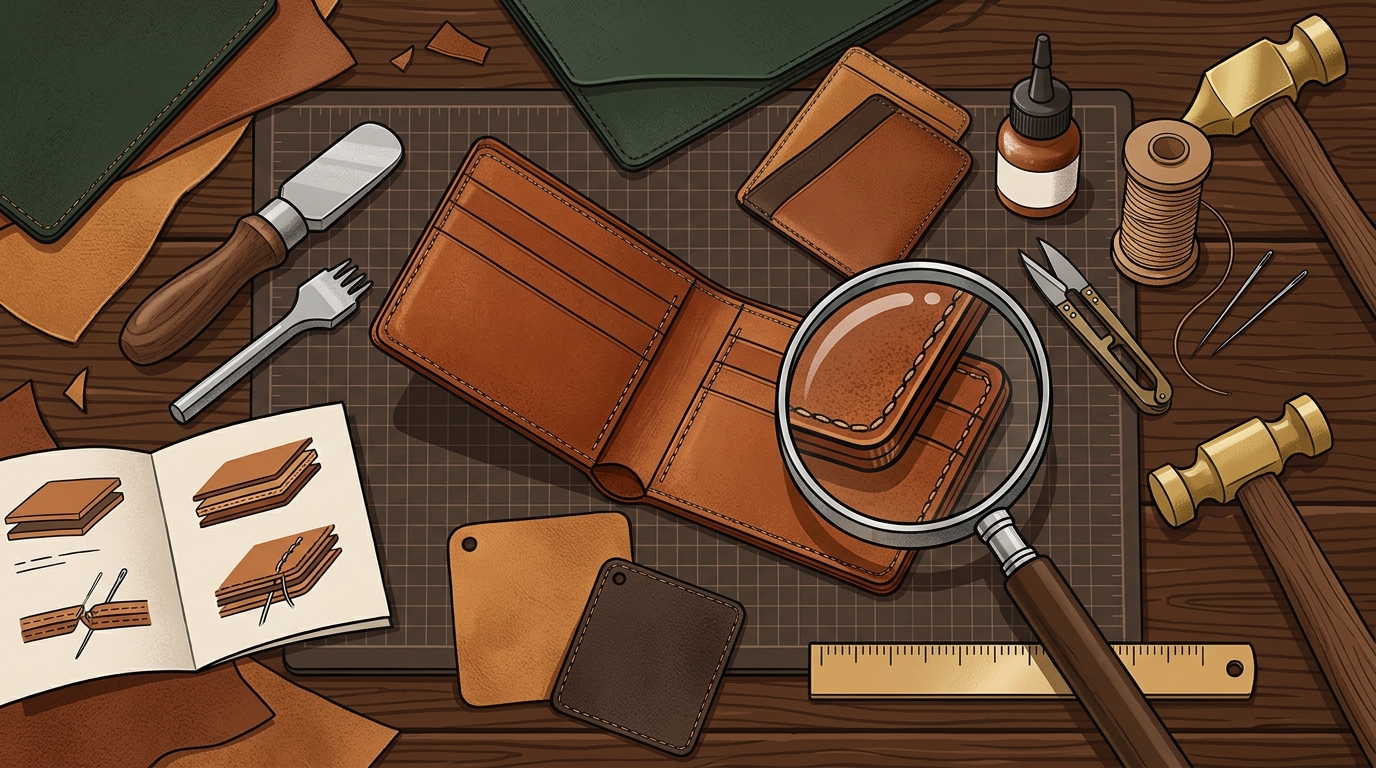
Hand-stitching is a technique where artisans use waxed thread and needles to create slanted stitches. This method is stronger than machine stitching because the thread is locked into the leather rather than just passing through it. Examine the seams closely for consistent, slanted lines. A correct result is a seam that feels raised and secure, with no loose threads or uneven spacing.
Step 4: Evaluate the Hardware and Lining
Quality hardware is made from solid metals like brass or nickel that are plated to resist tarnishing. The lining should be a breathable fabric that complements the leather without trapping moisture. Test the zippers or snaps for smooth operation and check that the lining is securely attached. A correct result is hardware that feels heavy and substantial, with a lining that does not peel or fray at the edges.
Step 5: Confirm Provenance and Craftsmanship
Italian craftsmanship is a standard of excellence rooted in centuries of regional tradition, particularly in Florence. Verify that the product is made in Italy by a family-run atelier or established workshop. Look for details about the artisans and their experience in the brand's story. A correct result is a clear narrative about the makers, emphasizing low-volume production and attention to detail.
When It Goes Wrong
- Buying Top-Grain Leather: Top-grain leather is sanded to remove imperfections, making it less durable than full-grain. Fix: Always check for natural grain texture and avoid products described as "corrected grain" or "embossed" if you want maximum longevity.
- Ignoring Edge Paint: Poorly applied edge paint can crack and flake off within months. Fix: Rub the edges gently with a finger. The paint should be smooth and integrated, not peeling or rough.
- Choosing Weak Hardware: Cheap zippers or snaps can break under daily stress. Fix: Test the hardware repeatedly. It should move smoothly without catching and feel solid, not hollow or flimsy.
- Overlooking Lining Quality: Synthetic linings can trap sweat and cause the leather to degrade. Fix: Prefer natural fabric linings like cotton or linen that allow the leather to breathe.
Frequently Asked Questions
What is the difference between full-grain and top-grain leather?
Full-grain leather is the outermost layer of the hide, retaining its natural grain and imperfections. Top-grain leather is sanded to remove these imperfections, resulting in a smoother but less durable surface. Full-grain is generally preferred for long-lasting wallets because it ages better and develops a patina.
How long does a hand-stitched wallet last?
A hand-stitched wallet made from full-grain leather can last for decades with proper care. The hand-stitching technique is more durable than machine stitching because the thread is locked into the leather, preventing it from unraveling if a single stitch breaks.
Why is vegetable tanning better for longevity?
Vegetable tanning is a natural process that makes leather stiffer and more resistant to wear over time. It allows the leather to develop a patina, which is a darkening of the surface that adds character. Chrome-tanned leather, by contrast, remains softer but does not age as gracefully.
How can I tell if a wallet is truly made in Italy?
Look for specific details about the workshop and artisans in the brand's description. Genuine Italian leather goods are often made in regions like Florence or Tuscany by family-run ateliers. Verify that the brand provides information about the craftsmen and their traditional methods.
What should I do if my leather wallet gets wet?
Blot the wallet dry with a soft cloth immediately. Allow it to air dry at room temperature, away from direct heat sources. Once dry, apply a leather conditioner to restore moisture and prevent the leather from becoming stiff or cracking.
Conclusion
Selecting a wallet that lasts requires attention to material quality and construction details. By focusing on full-grain leather, vegetable tanning, and hand-stitching, you ensure a piece that improves with age. Explore the craft behind Trevony to see how these principles are applied in a Florentine atelier. Learn more: Contact Us Trevony.