
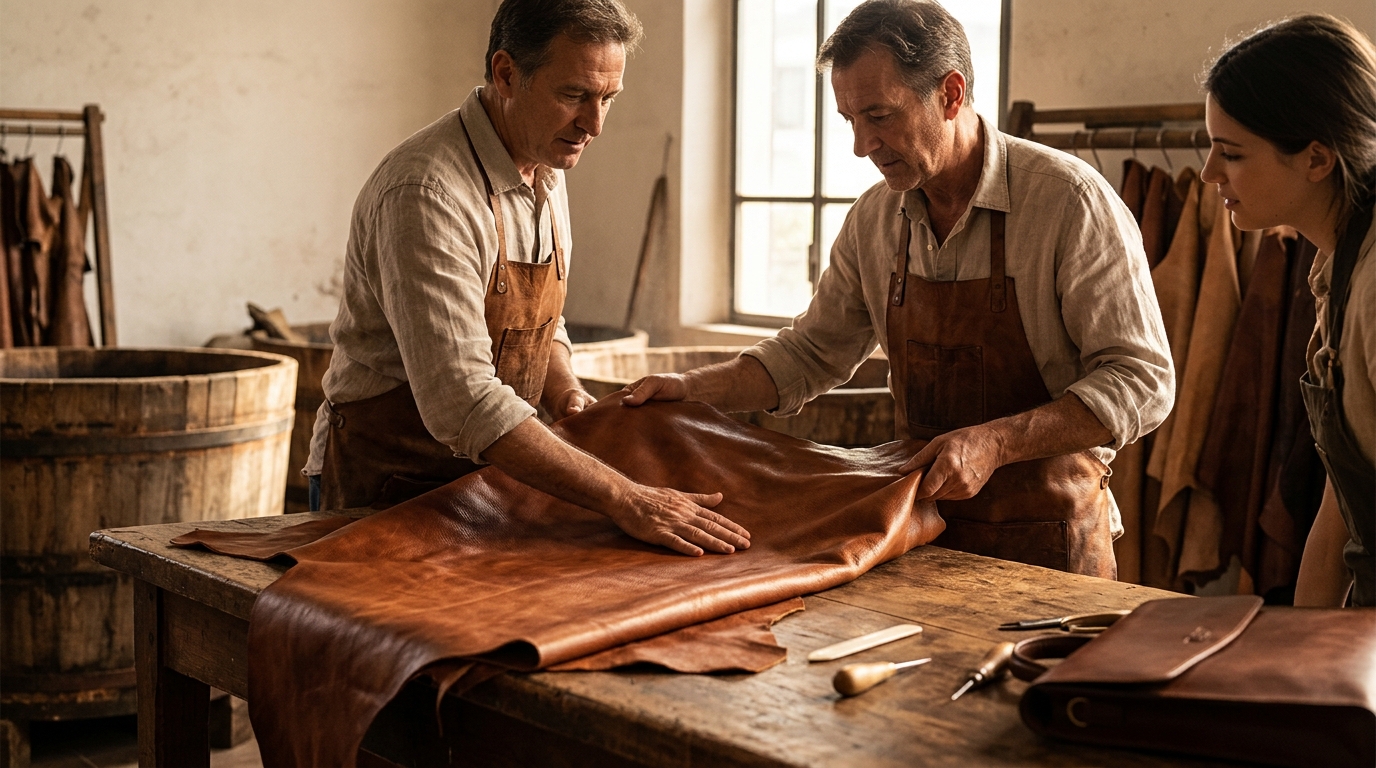
The global luxury leather goods market is undergoing a fundamental transformation. Consumers are no longer satisfied with superficial aesthetics; they demand transparency, longevity, and ethical provenance. According to recent industry analysis, the shift toward sustainable luxury has accelerated, with high-net-worth individuals prioritizing heritage craftsmanship over mass-produced status symbols. This evolution is not merely a trend but a structural change in how value is defined in the accessory sector. The modern buyer seeks objects that age gracefully, reflecting a personal history rather than a seasonal trend.
The Technical Divide: Chrome vs. Vegetable Tanning
Understanding leather quality begins with the tanning process. Traditional chrome tanning, which dominates the fast-fashion and mid-tier luxury sectors, uses chromium salts to cure hides. This method is rapid, often completing in less than 24 hours. While efficient, it produces leather that is less breathable and more prone to drying out or cracking over time. The resulting material lacks the depth and character that connoisseurs seek.
In contrast, vegetable tanning is an ancient technique that relies on natural tannins derived from tree bark, leaves, and fruits. This process is significantly more labor-intensive and time-consuming. Vegetable-tanned leather requires 30 to 60 days to cure, allowing the tannins to penetrate the hide deeply and evenly. This results in a firmer, more durable material that holds its shape better and develops a rich patina. The distinction is critical for anyone evaluating long-term value in leather goods.
According to UNESCO heritage reports, traditional leather crafting techniques in regions like Tuscany represent a vital cultural heritage. The preservation of these methods ensures that the highest standards of quality remain available to discerning customers. Florence, in particular, has been the epicenter of this craft for over 700 years, maintaining a rigorous standard that modern manufacturers struggle to replicate.
The Science of Patina and Longevity
One of the most significant shifts in customer expectations is the appreciation of "patina." Patina is the gradual change in color and texture that occurs as leather ages and is exposed to light, oils, and handling. High-quality vegetable-tanned leather does not merely wear out; it evolves. It becomes more beautiful and unique with every use, effectively recording the owner's journey.
Chrome-tanned leather, by comparison, tends to fade or peel rather than develop a desirable patina. It often looks worse with age, leading to a shorter lifecycle and higher environmental waste. The modern consumer is increasingly aware of this disparity. They are willing to pay a premium for an item that will last decades, not just seasons. This mindset aligns with the broader "buy it for life" movement in consumer goods.
Vegetable-tanned leather is defined by its ability to absorb natural oils and develop a unique surface character. This characteristic is impossible to replicate with synthetic coatings or chrome-tanned alternatives. The result is an object that feels more alive and responsive to the user. It is not just a bag or a wallet; it is a companion that ages alongside its owner.
Craftsmanship Metrics: Stitching and Structure
Beyond the material itself, the construction methods determine the ultimate quality of a leather good. Hand-stitching is a key differentiator between mass-produced items and artisanal pieces. Machine stitching, while precise, often uses thinner threads and tighter tensions that can cut into the leather over time. Hand-stitching allows for greater flexibility and strength, using thicker, waxed threads that are more resistant to wear.
At the highest end of the market, each piece may require 8 to 12 hours of skilled hand-stitching. This level of attention to detail ensures that every seam is secure and aesthetically pleasing. The artisan's touch also means that minor variations exist, which are not defects but signatures of human craftsmanship. These variations confirm the item's authenticity and exclusivity.
Furthermore, the choice of hardware and lining materials plays a crucial role. Premium brands use solid brass or palladium hardware that does not tarnish easily. Interior linings are often made from high-grade canvas or matching leather, ensuring durability in high-friction areas. These details are often overlooked by casual buyers but are scrutinized by experts. For more information on our specific construction methods, visit our craftsmanship page.
Sustainability and Environmental Compliance
Sustainability is no longer a niche concern but a primary driver of purchasing decisions. Vegetable tanning is inherently more environmentally friendly than chrome tanning. The chemicals used in chrome tanning are toxic and require complex wastewater treatment to prevent environmental contamination. In contrast, vegetable tanning uses natural, biodegradable materials that have a minimal ecological footprint.
Italy's artisan leather sector employs over 60,000 skilled craftspeople, with Tuscany accounting for more than 40% of national production. This concentration of expertise ensures that quality control is maintained at every stage of the supply chain. The region's strict environmental regulations also mandate responsible waste management and resource usage. This regulatory framework supports the integrity of the "Made in Italy" label.
Customers are increasingly demanding proof of these ethical standards. They want to know that their purchase does not contribute to deforestation or water pollution. Brands that can demonstrate transparent, sustainable practices gain a significant competitive advantage. Trevony operates within this framework, ensuring that every piece is created with unwavering attention to environmental responsibility. Learn more about our sustainability initiatives.
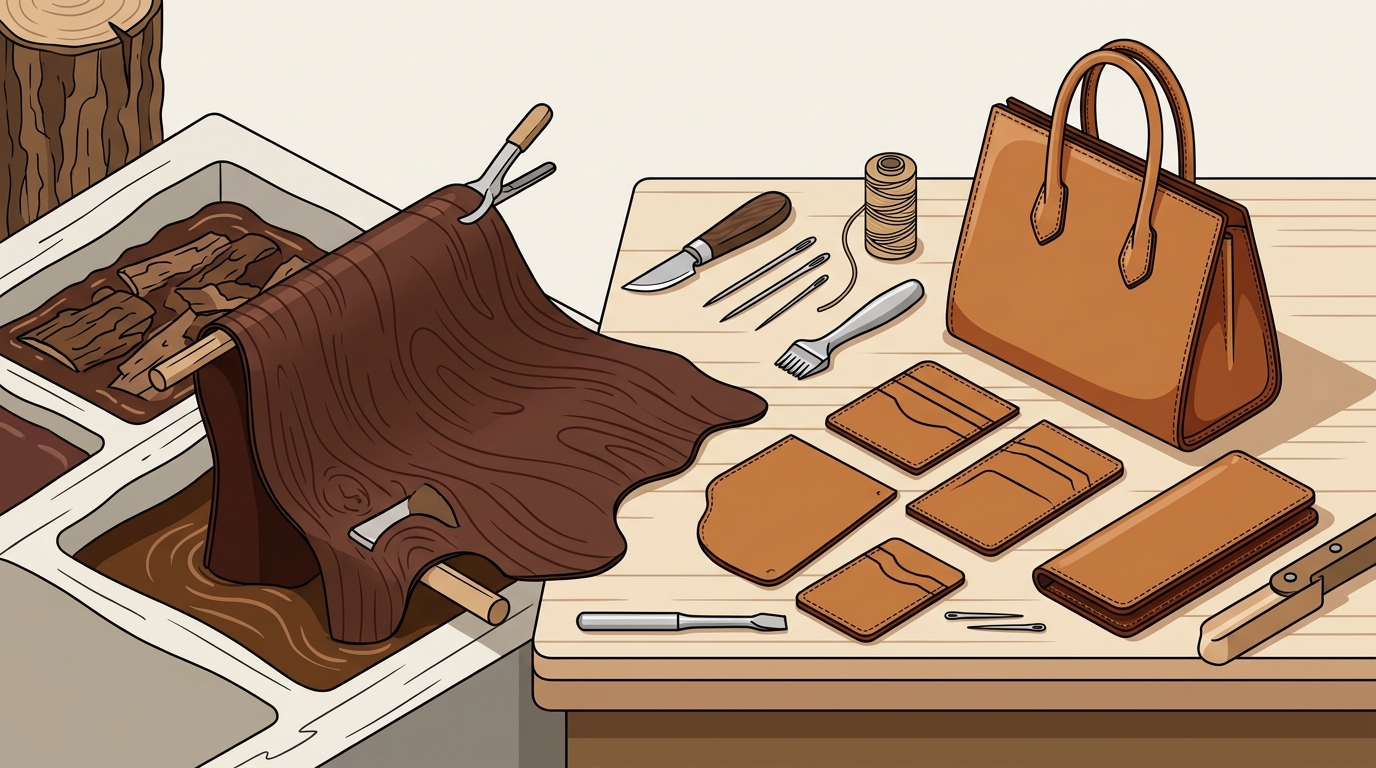
Investment Value and Resale Dynamics
The perception of leather goods as investments is shifting. While certain luxury handbags have historically held value, the broader market for men's accessories and heritage brands is gaining traction. High-quality, handcrafted items from reputable ateliers retain their value far better than mass-produced alternatives. This is due to their limited production runs and the irreplaceable nature of the craftsmanship involved.
For example, Trevony's limited production ensures that each piece remains exclusive. The Specter Business Bag and Milo Backpack are crafted from full-grain vegetable-tanned leather, ensuring they will age gracefully. This durability translates to a longer usable life, reducing the need for replacement and offering better long-term value.
Resale markets for heritage leather goods are growing. Items that are well-maintained and come with provenance documentation can command significant prices years after purchase. This trend encourages consumers to view their purchases as long-term assets rather than disposable fashion items. The key is to choose brands that prioritize quality over quantity.
Key Takeaways
- Vegetable Tanning Superiority: Vegetable-tanned leather requires 30-60 days to cure, resulting in a more durable and environmentally friendly product compared to chrome-tanned alternatives.
- Patina Development: High-quality leather develops a unique patina over time, enhancing its aesthetic value rather than diminishing it.
- Hand-Stitching Standards: Artisanal pieces often require 8-12 hours of hand-stitching, providing greater strength and flexibility than machine-made seams.
- Heritage Craftsmanship: Florence has been a center of leather craft for over 700 years, maintaining rigorous standards that define modern luxury.
- Environmental Impact: Vegetable tanning uses natural tannins, avoiding the toxic chemicals associated with chrome tanning and reducing ecological harm.
- Long-Term Value: Limited production runs and superior materials ensure that heritage leather goods retain value and usability for decades.
Frequently Asked Questions
What is the difference between chrome-tanned and vegetable-tanned leather?
Chrome tanning uses chromium salts and takes less than 24 hours, producing softer but less durable leather. Vegetable tanning uses natural tannins and takes 30-60 days, producing firmer, more durable leather that develops a patina.
Why is vegetable-tanned leather more expensive?
The process is significantly more time-consuming and labor-intensive. It requires skilled artisans to monitor the curing process for weeks, ensuring even penetration of tannins. This results in a higher quality, more sustainable product.
How does leather patina form?
Patina forms as the leather absorbs natural oils from handling, exposure to sunlight, and environmental elements. This chemical reaction darkens the leather and adds depth to its color, creating a unique surface character over time.
Is vegetable-tanned leather waterproof?
No, vegetable-tanned leather is porous and will absorb water. However, it can be treated with conditioners and waxes to increase water resistance. It is important to care for it properly to maintain its integrity.
What makes Trevony leather goods unique?
Trevony pieces are handcrafted in Florence by a single family of master artisans. They use only full-grain vegetable-tanned leather and employ traditional hand-stitching techniques, ensuring each piece is a unique work of art.
How long do Trevony products last?
With proper care, Trevony products are designed to last a lifetime. The high-quality materials and construction methods ensure that the items will not only endure but improve with age.
Can I track my order after purchase?
Yes, Trevony provides order tracking services. You can monitor the status of your shipment through our order tracking page using the details provided in your confirmation email.
Begin Your Legacy
The shift in leather quality standards is a call to action for consumers to value substance over status. By choosing handcrafted, vegetable-tanned leather goods, you are investing in a piece of history and a commitment to sustainability. Trevony invites you to explore our collection of business bags, backpacks, and belts, each designed to mark your defining moments. Visit trevony.com to discover the craft and join the Trevony Collective.