
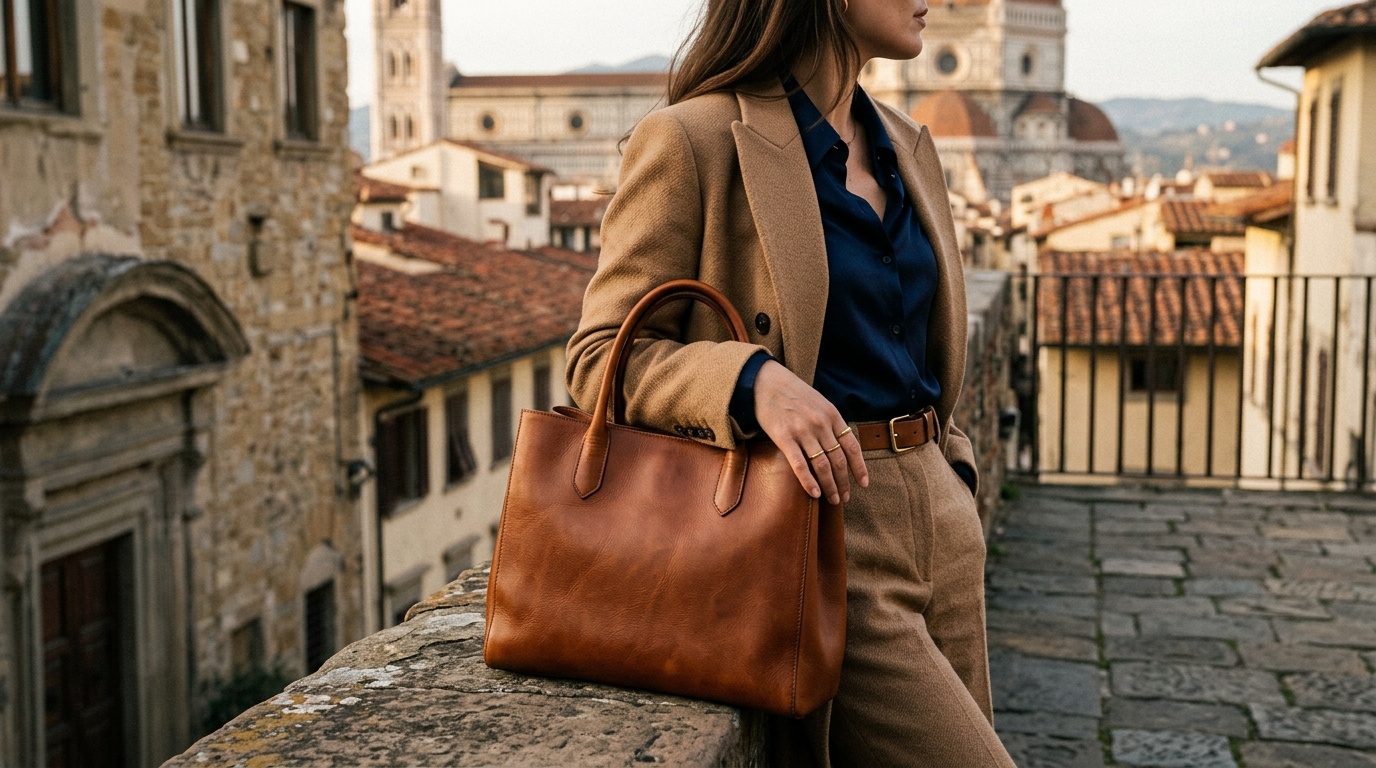
Forget trend-chasing. The most powerful wardrobe moves in 2026 begin with a single piece of exceptional leather — one that commands a room on day one and only grows more compelling with time. This guide maps the seven categories of leather goods that deliver the greatest style return on investment, with an emphasis on full-grain, vegetable-tanned craftsmanship that rewards you for every year of wear.
Why Leather Commands 2026 Wardrobes
The fashion conversation has shifted decisively. After several years dominated by quiet luxury and pared-back minimalism, 2026 is layering expression back in — through texture, sculptural silhouettes, and material depth rather than bold logos. Handbags, in particular, have moved from finishing touch to outfit anchor. As one fashion editorial put it, bags are now "becoming the starting point of the outfit and the piece you build everything else around." The result is a market that prizes artisan-level construction, rich surface character, and personal storytelling over seasonal branding.
At the same time, leather outerwear is enjoying a renaissance built on refinement rather than rebellion. The mood in 2026 is "understated and polished," with smooth leather, minimal hardware, and impeccable proportions replacing overtly edgy styling. Whether we are talking about a handbag, a jacket, or a simple belt, the common thread is intentionality — pieces chosen not for a moment but for a lifetime.
A Quick Material Primer: Why Vegetable-Tanned, Full-Grain Matters
Not all leather is created equal, and understanding the basics will help you invest wisely. Full-grain leather retains the hide's natural surface, including its unique grain patterns and subtle markings. It is the densest, most durable grade available, and — crucially — it is the only grade that develops a true, living patina over years of use.
Vegetable tanning is the traditional process that transforms raw hides using natural tannins from plants such as oak, chestnut, and mimosa. The process can take 30 to 60 days with modern methods and up to a year in traditional pits, compared to just a day or two for chrome tanning. This slow transformation produces leather that is firmer initially but softens beautifully over time, developing a warm, evolving patina that chrome-tanned leather simply cannot replicate.
Trevony sources full-grain, vegetable-tanned hides from European tanneries and partners with a family-run Florentine atelier with over seventy years of leather-working heritage. Every piece is hand-cut, hand-stitched, and hand-finished — the hallmarks of heirloom-quality construction that justifies the investment and ensures each item ages into something uniquely yours.
1 — The Sculpted Top-Handle Bag
If you could own one leather piece and nothing else, this is it. The structured top-handle silhouette — once associated with mid-century formality — is enjoying a powerful resurgence on runways from Milan to Paris, updated with modern proportions and refined geometry. The shape provides architectural presence without bulk, pairs naturally with everything from tailored trousers to flowing midi dresses, and carries enough room for daily essentials.
In vegetable-tanned leather, a top-handle bag gains depth over the years: the handle darkens first where your hand grips, the body develops tonal variation, and the entire piece becomes a visual journal of how you carry yourself through the world. Trevony's handcrafted top-handle designs are built on this premise — timeless silhouettes in patina-friendly leather that look more distinguished with every passing season.
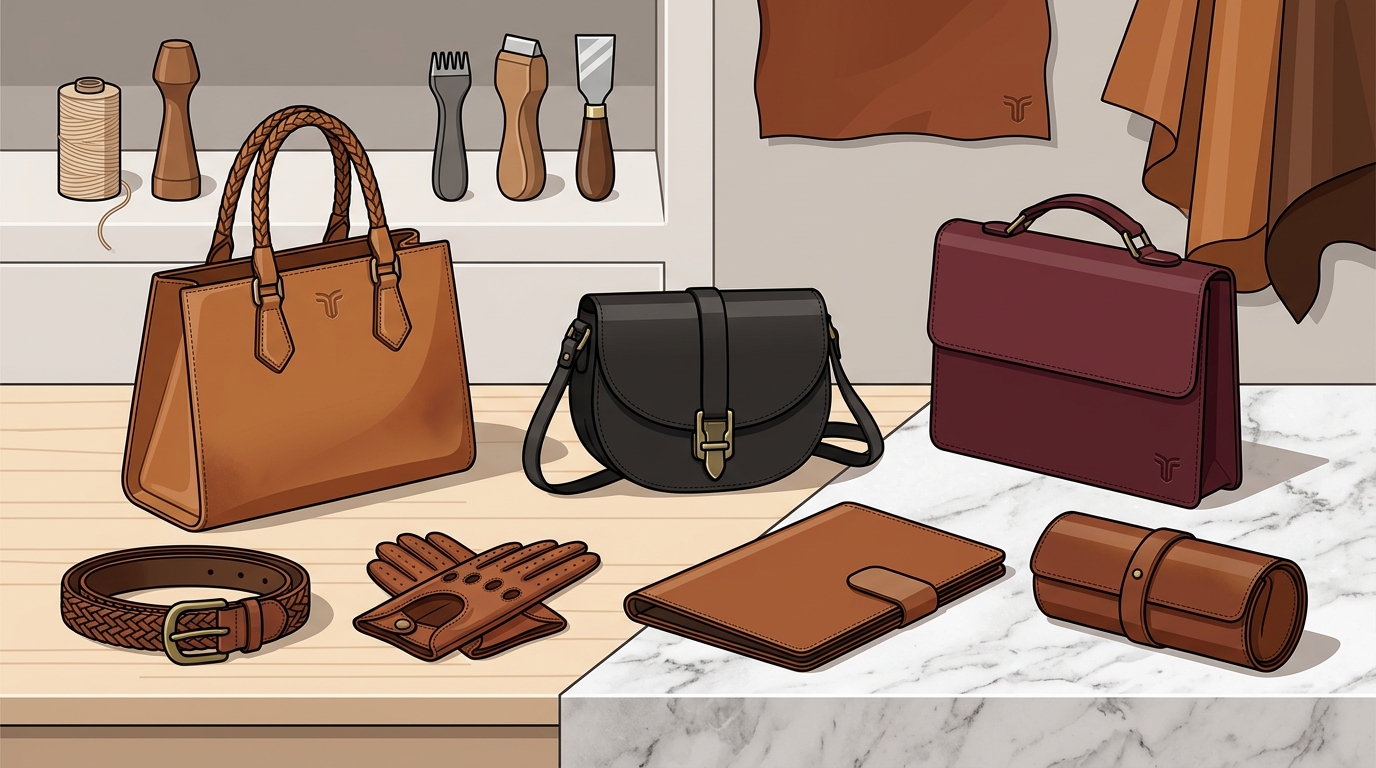
Styling Tip
Let the bag lead your outfit. Pair a cognac or deep-earth-toned top-handle with tonal mules and a pencil skirt for boardroom authority, or contrast it against a relaxed linen dress for weekend polish.
2 — The Leather Blazer
The leather blazer has emerged as one of the defining outerwear pieces of 2026, evolving far beyond the stiff power suits of previous decades. Today's versions feature slightly oversized fits, double-breasted cuts, and boxy shapes that replace rigidity with confident ease. Designers are exploring a full spectrum of finishes — from matte black for understated authority to warm neutrals like beige, sand, and ivory for effortless versatility.
A well-made leather blazer in full-grain material does double duty: it structures your upper half like traditional tailoring, while the leather itself adds a subtle textural edge that wool or cotton cannot match. Over time, the blazer moulds to your shoulders and develops a patina at the cuffs and collar — places where movement and touch are constant.
Styling Tip
Drape a leather blazer over a slip dress with pointed-toe boots for an evening that transitions from dinner to gallery opening. For daytime, layer it atop a turtleneck and straight-leg trousers.
3 — The East-West Shoulder Bag
The east-west shoulder bag — wider than it is tall, with a horizontal silhouette that sits neatly under the arm — continues to gain momentum in 2026. Its proportions flatter the body, streamline a silhouette, and project a quiet confidence that fussy shapes cannot achieve.
In full-grain leather, the east-west bag is particularly compelling. The flat, broad surface area showcases the hide's natural grain beautifully, and the relatively simple construction means there are fewer seams competing with the material's inherent character. Look for versions with minimal hardware; let the leather speak.
Styling Tip
Pair with a collarless leather jacket and flared trousers for a tonal look that layers texture without clashing.
4 — The Cinched Leather Belt
A belt may seem like a supporting player, but in 2026, bold hardware and expressive accessories are reclaiming the spotlight. A beautifully crafted leather belt in full-grain, vegetable-tanned hide is the fastest way to transform an outfit — cinching a trench coat, defining the waist of an oversized blazer, or punctuating a simple sheath dress.
Because belts absorb natural oils from constant wear and bending, they develop patina faster than almost any other leather accessory. A quality belt purchased today will look completely transformed — richer, deeper, more personal — within six months of daily wear. Trevony's belts are hand-cut from single pieces of Tuscan leather and finished with brass or palladium hardware designed to complement the leather's evolving tones.
5 — The Continental Wallet
A wallet is handled more than almost any other accessory, making it the ideal canvas for vegetable-tanned leather's patina potential. The continental format — elongated, with full-length compartments for currency, cards, and a zip pocket — balances elegance with everyday function.
When choosing a statement wallet, look for burnished or turned edges rather than painted ones, hand-stitched seams, and minimal branding. These details are the quiet signatures of artisan production and the reason a well-made wallet can serve you for decades rather than seasons. Trevony's wallets and small leather goods are crafted with the same atelier-grade construction as the brand's handbags, ensuring consistency across every piece in your collection.
6 — The Leather Trench Coat
If the blazer is the leather world's everyday workhorse, the trench is its grand occasion. Leather trench coats are dominating 2026 outerwear conversations with sharp silhouettes, belted waists, and clean seam lines that balance structure with fluidity. Trending colours include deep maroon, sapphire blue, and off-white — each offering a sophisticated departure from the default black while retaining year-round wearability.
A leather trench in vegetable-tanned hide is an investment measured in decades. The natural stiffness of the material gives the coat its architectural drape, and over time the leather relaxes into your body's contours while developing the warm, lived-in patina that only genuine full-grain leather can produce.
Styling Tip
Layer a deep-maroon leather trench over a monochromatic neutral outfit to let the coat command the room. Add pointed-toe boots and a structured leather bag from the same tonal family for cohesion.
7 — The Woven Leather Carryall
Woven leather — the intrecciato technique made famous by Italian ateliers — has been on must-have lists for multiple seasons, and its appeal is only growing. A woven leather carryall in a roomy silhouette marries artisan craft with genuine utility: the interlaced strips add visual depth and surface texture, while the generous proportions accommodate laptops, documents, and daily essentials without sacrificing polish.
For 2026, fresh colourways like sage, terracotta, and soft camel are elevating the category beyond classic neutrals. In vegetable-tanned leather, the individual woven strips each age at slightly different rates depending on exposure, creating an organic mosaic of tonal variation that is impossible to replicate with any other material or technique.
How to Build a Leather Capsule Collection
You do not need all seven pieces at once. A strategic approach yields the most impact:
- Start with daily carry. A sculpted top-handle bag or east-west shoulder bag covers both professional and personal settings.
- Add a defining layer. A leather blazer offers the highest versatility-to-investment ratio of any outerwear piece.
- Introduce small accessories. A belt and continental wallet begin developing patina immediately and anchor the rest of your wardrobe in consistent quality.
- Build toward occasion pieces. A leather trench or woven carryall rounds out the collection for travel, events, and seasonal layering.
Across every piece, prioritise consistency in material quality over quantity. A three-piece collection in full-grain, vegetable-tanned leather from a single atelier will always outperform a drawer full of disparate fast-fashion leather goods.
Caring for Your Investment Pieces
Vegetable-tanned leather rewards attentive care:
- Condition regularly. A natural leather balm every four to six weeks keeps the hide supple and enhances patina development.
- Store thoughtfully. Keep bags stuffed with acid-free tissue and store them in breathable dust bags — never in plastic, which traps moisture.
- Embrace light exposure. Moderate sunlight accelerates the natural darkening and tonal shift that makes vegetable-tanned leather so prized.
- Dry naturally. If your piece gets wet, let it air-dry at room temperature. Direct heat sources like radiators or hair dryers can cause cracking or shrinkage.
- Rotate your pieces. Giving each item periodic rest allows the leather fibres to recover, extending the lifespan of every piece in your collection.
Frequently Asked Questions
What makes leather a good statement piece for women?
High-quality leather — particularly full-grain, vegetable-tanned leather — offers a combination of structural presence, tactile richness, and living character that no other material provides. It develops a unique patina over time, meaning every piece eventually tells a personal story. This individuality, paired with timeless silhouettes, makes leather the ideal foundation for statement dressing.
How is vegetable-tanned leather different from regular leather?
Vegetable-tanned leather is processed using natural plant-based tannins — from sources like oak bark, chestnut, and mimosa — instead of synthetic chromium salts. The process takes weeks or even months rather than days, producing leather that is firmer initially but softens and develops a rich patina with use. It also has a distinctive natural aroma rather than a chemical smell, and it is more environmentally friendly than chrome-tanned alternatives.
Which leather pieces give the best return on investment?
Structured handbags (top-handles and shoulder bags) and leather blazers tend to deliver the highest style-per-wear ratio because they anchor outfits across both professional and casual contexts. Small leather goods like belts and wallets also offer excellent value because their daily handling accelerates patina development, making them look increasingly beautiful with age.
How long does it take for vegetable-tanned leather to develop a patina?
You may notice initial signs of patina — slight darkening in high-contact areas — within the first month of daily use. Significant tonal evolution typically becomes visible over three to six months, and the patina continues to deepen and enrich for years. Small items like wallets and belts patina more quickly than larger bags because they are handled and flexed more frequently.
Why does Trevony use Florentine artisan production?
Trevony partners with a family-run Florentine atelier that has been working leather for over seventy years. This heritage ensures every piece benefits from hand-cutting, hand-stitching, and hand-finishing techniques that machines cannot replicate. Florence has been the epicentre of European leather craftsmanship for centuries, and Trevony's low-volume production model preserves the standards of quality that have defined the Tuscan leather tradition.
Can leather accessories be worn year-round?
Absolutely. Leather handbags, belts, and wallets are inherently season-neutral. Outerwear like leather blazers work in spring and autumn and layer well in winter. Even leather trench coats, traditionally considered cold-weather pieces, are increasingly styled as transitional layers. The key is choosing versatile colourways — cognac, deep brown, black, or rich earth tones — that complement seasonal palettes year-round.