
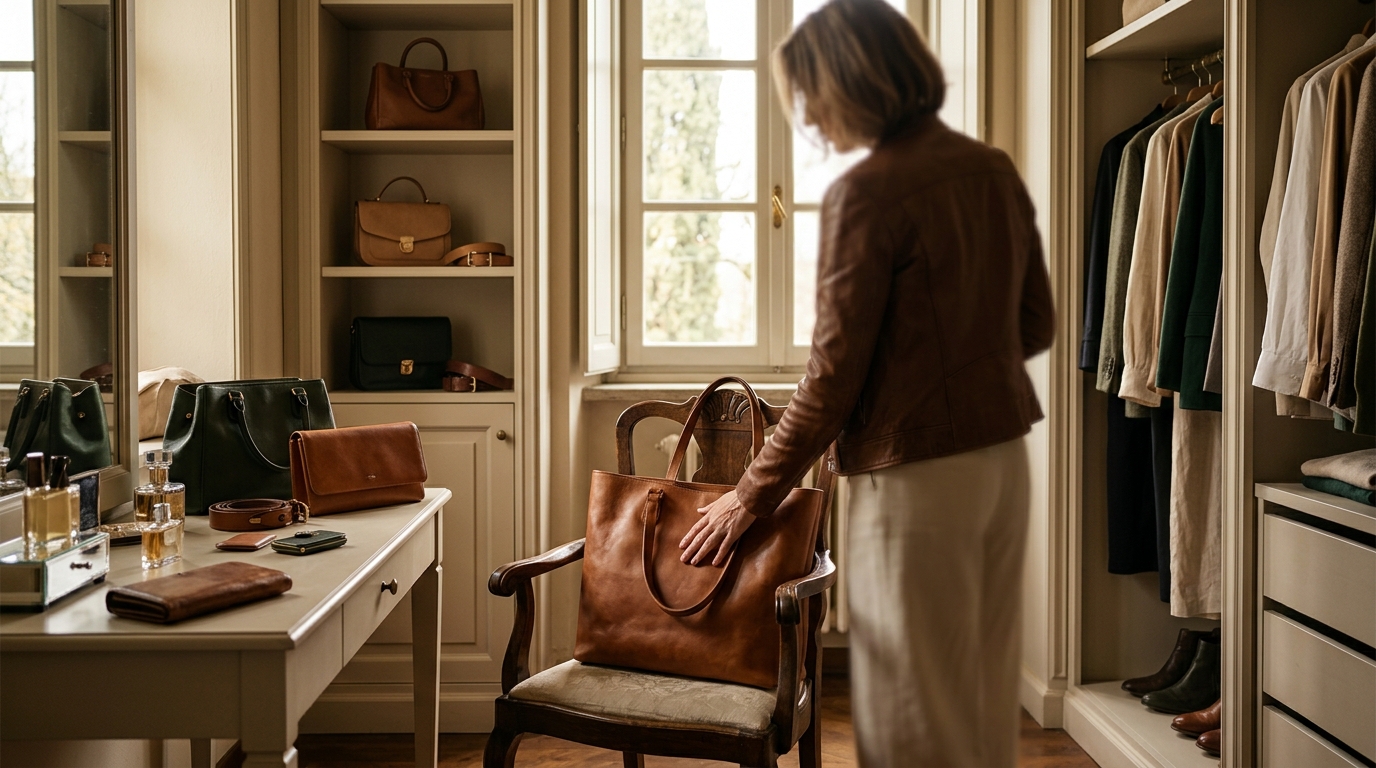
Luxury fashion in 2026 is shifting decisively toward curated wardrobes built on quality craftsmanship and enduring design. Rather than chasing seasonal micro-trends, discerning women are investing in leather pieces that gain character over years of use — items that tell a story through the patina they develop and the confidence they project. Below, we explore nine categories of leather statement pieces that deserve a permanent place in any sophisticated wardrobe.
Why Leather Remains the Ultimate Wardrobe Investment
Fashion trends rotate quickly, but quality leather endures. The 2026 luxury landscape emphasises understated sophistication: quiet hardware, timeless silhouettes, and materials that reward their owner over time rather than losing appeal after a single season. Leather — especially full-grain, vegetable-tanned leather — sits at the heart of this movement.
Vegetable-tanned leather is preserved using natural tannins extracted from tree bark, leaves, and roots rather than chromium salts. The process takes between 30 and 60 days compared with one to two days for chrome tanning, and it represents less than 10 percent of global leather production. The result is a hide that develops a rich patina over years of use, growing more beautiful with every day of wear.
At Trevony, every piece is handcrafted in a family-run Florentine atelier that has worked leather for over seventy years. Full-grain, vegetable-tanned hides are sourced from European tanneries, then hand-cut, hand-stitched, and hand-finished to ensure heirloom-quality construction. This low-volume, artisan approach means each bag, wallet, or belt carries a provenance that mass production simply cannot replicate.
1. The Structured Leather Tote
If there is one piece to invest in that will serve you well for years to come, it is your work bag. A structured leather tote bridges the gap between boardroom polish and weekend ease. Look for clean lines, reinforced corners, and an interior layout that keeps a laptop, notebook, and daily essentials organised without bulk.
How to Style It
- Pair with tailored trousers and a silk blouse for client meetings.
- Dress down with wide-leg denim and a cashmere knit for Saturday errands.
- Choose a neutral tone — cognac, deep chocolate, or classic black — so the tote complements every colour palette in your closet.
Trevony's totes are built from single-origin hides that soften and darken naturally, meaning the bag you carry today will look distinctly richer in two years' time. Because the leather is full-grain and uncoated, it absorbs moisture and oils to form the patina that leather connoisseurs prize.
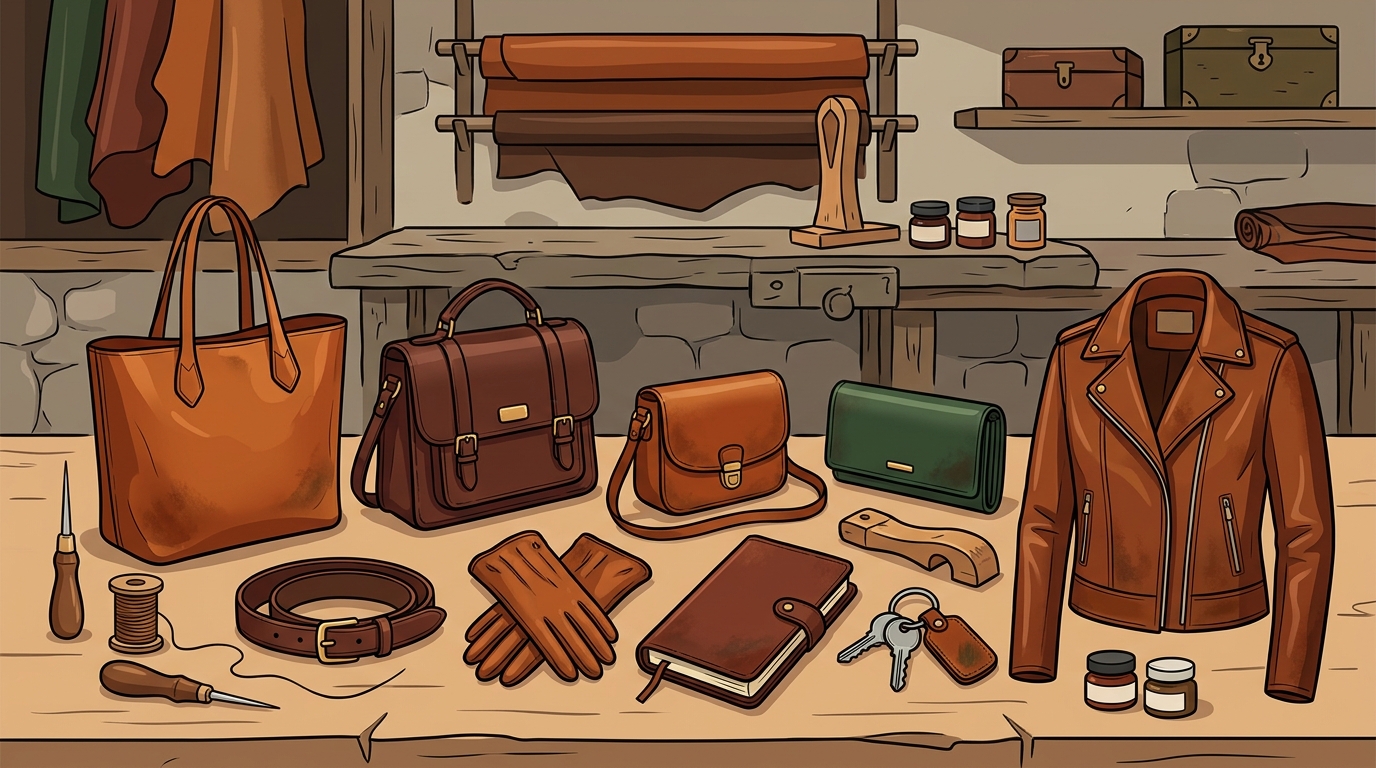
2. The Top-Handle Day Bag
Top-handle 'Lady' bags and rectangular east-west silhouettes are gaining traction for 2026, reflecting a broader shift toward what fashion editors call demure dressing. A top-handle bag reads as immediately polished — it forces you to carry it with intention, which in turn elevates your posture and presence.
What to Look For
- A single compartment with a secure closure — nothing too complex.
- Minimal, tone-on-tone hardware that ages alongside the leather.
- A detachable crossbody strap for hands-free versatility without compromising the bag's elegant silhouette.
Trevony's top-handle designs draw on classic Florentine bag-making traditions: hand-turned edges, hand-sewn gussets, and a construction method that uses no glue — only saddle stitching — for seams that outlast machine-made equivalents.
3. The Leather Envelope Clutch
An evening look lives or dies by its accessories. The envelope clutch — slim, architectural, and completely free of unnecessary embellishment — is the leather equivalent of a little black dress: it works everywhere from gallery openings to candlelit dinners.
Styling Tips
- Tuck it under your arm with a column dress and minimalist gold earrings.
- Layer it over a leather-bound journal cover (see piece No. 9) in a matching hide for a coordinated travel set.
- Opt for a vegetable-tanned clutch in a warm honey or burgundy for an envelope that deepens in colour with each outing.
4. The Artisan Leather Belt
Accessories such as leather belts, loafers, and minimalist jewellery further elevate a collection without overwhelming it. A hand-cut belt made from full-grain leather is one of the highest cost-per-wear pieces in any wardrobe. Unlike bonded or top-grain belts, a vegetable-tanned belt will not crack, peel, or delaminate — it simply moulds to your waist and mellows in colour.
Ways to Wear It
- Thread through high-waisted trousers for a defined silhouette at the office.
- Cinch an oversized blazer to create waist definition and visual intrigue.
- Belt a linen shirt dress for effortless weekend polish.
Trevony's belts are cut from the same Florentine hides used for its handbags, ensuring a colour-matched wardrobe of accessories that patina in harmony.
5. The Compact Leather Wallet
Your wallet is arguably the leather piece you touch most frequently, which means it develops a patina faster than almost anything else you own. A compact bifold or continental wallet in vegetable-tanned leather becomes distinctly personal within months — the grain warms, the edges burnish, and the fold relaxes to your exact card arrangement.
What Makes a Great Leather Wallet
- Full-grain exterior with unlined interior panels so you can see the hide's natural texture.
- Edge-painted or burnished edges that resist fraying.
- A streamlined card layout — eight to ten slots plus a bill compartment is the sweet spot for everyday carry without pocket bulk.
6. The Leather Crossbody Bag
Crossbody bags continue to dominate everyday carrying. A well-designed crossbody in structured leather offers the convenience of hands-free movement while still reading as polished rather than sporty. The key is proportion: the bag should sit at your hip, not swing at your thigh.
Styling Advice
- Wear it over a leather blazer for a tonal layered look.
- Pair with a midi skirt and low-heeled boots for gallery hopping.
- Select an adjustable strap so you can shorten it into a shoulder bag for evening events.
7. The Leather Card Case
In an era of contactless payment, the slim card case has replaced the bulky wallet for many women. A hand-stitched card case in full-grain leather projects quiet confidence every time you reach for it — in meetings, at restaurants, or while travelling. It is also the ideal entry point into artisan leather goods for anyone building a collection incrementally.
8. Elegant Leather Gloves
Gloves are often overlooked in leather wardrobe conversations, yet they were historically the first leather accessory a woman invested in. A pair of unlined or cashmere-lined leather gloves in butter-soft nappa transforms any winter outfit from practical to refined. Look for hand-stitched outseams and a snug wrist closure for a silhouette that flatters the hand.
9. The Leather-Bound Journal Cover
Not every leather statement piece is about fashion — some are about ritual. A refillable leather journal cover carries the same patina story as a handbag, darkening at the spine and corners where your hands rest. For the woman who values both style and substance, it becomes a daily companion that pairs beautifully with a matching clutch or card case from the same hide.
How to Choose Leather That Lasts a Lifetime
Prioritise Full-Grain, Vegetable-Tanned Hides
Vegetable-tanned leather is made using natural tannins found in organic materials, avoiding harmful chemicals. This process produces leather that develops a rich patina as it ages and is created to last for decades. The edges of vegetable-tanned leathers are burnished or turned, further extending longevity.
Examine the Construction
Hand-stitching with waxed linen thread outlasts machine lock-stitch by a wide margin. If one stitch breaks on a saddle-stitched seam, the rest hold firm. On a machine-sewn seam, one broken stitch can unravel the entire line. Trevony's Florentine artisans use saddle stitching on every structural seam.
Consider Provenance
"Made in Italy" is not just a label — it signals generations of leather-working expertise concentrated in regions like Tuscany. Florence, in particular, has been a centre for vegetable tanning since the Middle Ages, with ateliers passing techniques from one generation to the next.
Caring for Your Leather Statement Pieces
- Condition every six months. Use a conditioner formulated for vegetable-tanned leather to replenish natural oils and maintain suppleness.
- Store on a wide hanger or stuffed with tissue. When not in use, store your bag in a breathable dust bag — never plastic, which traps moisture and can lead to mould.
- Embrace the patina. Scratches and scuffs are part of the ageing process and add to the character of the leather. Over time, marks fade as the patina deepens.
- Keep away from prolonged direct sunlight. Brief daily exposure is fine — even beneficial for patina — but leaving a bag on a sunny dashboard will dry the hide.
- Blot water immediately. If your bag gets wet, blot with a soft cloth and let it air-dry at room temperature. Never use heat.
Key Takeaways
- Sophisticated leather statement pieces are long-term investments, not seasonal purchases. Prioritise craftsmanship, material quality, and timeless design over trend-driven details.
- Vegetable-tanned, full-grain leather is the gold standard for pieces that improve with age — developing a unique patina that makes every item one of a kind.
- A curated leather collection built around a structured tote, a top-handle bag, a belt, a wallet, and one or two evening accessories covers virtually every occasion.
- Handcrafted Italian leather goods, like those produced in Trevony's Florentine atelier, represent the pinnacle of the "Made in Italy" leather tradition — low-volume production, seventy-plus years of generational expertise, and hides sourced from European tanneries.
- Proper care — conditioning, appropriate storage, and patience with the patina process — ensures your leather pieces will last decades, not seasons.
Frequently Asked Questions
What makes vegetable-tanned leather better for statement pieces?
Vegetable-tanned leather uses natural plant-based tannins instead of chromium salts, producing a hide that is more durable, breathable, and capable of developing a beautiful patina over time. The process takes weeks rather than days, resulting in leather that is created to last for decades and grows more characterful with daily use.
How does leather develop a patina?
Patina forms as air, light, the oils of your skin, and other environmental factors interact with uncoated full-grain leather. The hide gradually darkens and gains a rich lustre that is unique to each owner. Vegetable-tanned leather is especially prized for this quality because its porous surface absorbs these elements readily.
Which leather statement piece should I buy first?
A structured leather tote or a top-handle day bag offers the highest versatility and cost-per-wear value. These pieces transition seamlessly from professional settings to weekend outings and serve as the foundation of a curated leather collection.
How should I care for vegetable-tanned leather accessories?
Condition the leather every six months with a product formulated for vegetable-tanned hides. Store pieces in breathable dust bags stuffed with acid-free tissue paper. Avoid prolonged sun exposure and blot any water immediately with a soft cloth, allowing the item to air-dry naturally.
Why choose handcrafted Italian leather over mass-produced alternatives?
Handcrafted Italian leather goods — particularly those from Florentine ateliers — benefit from centuries of regional expertise, saddle-stitched seams that outlast machine sewing, and hides sourced from audited European tanneries. These qualities produce pieces with superior durability and a character that factory production cannot replicate.