
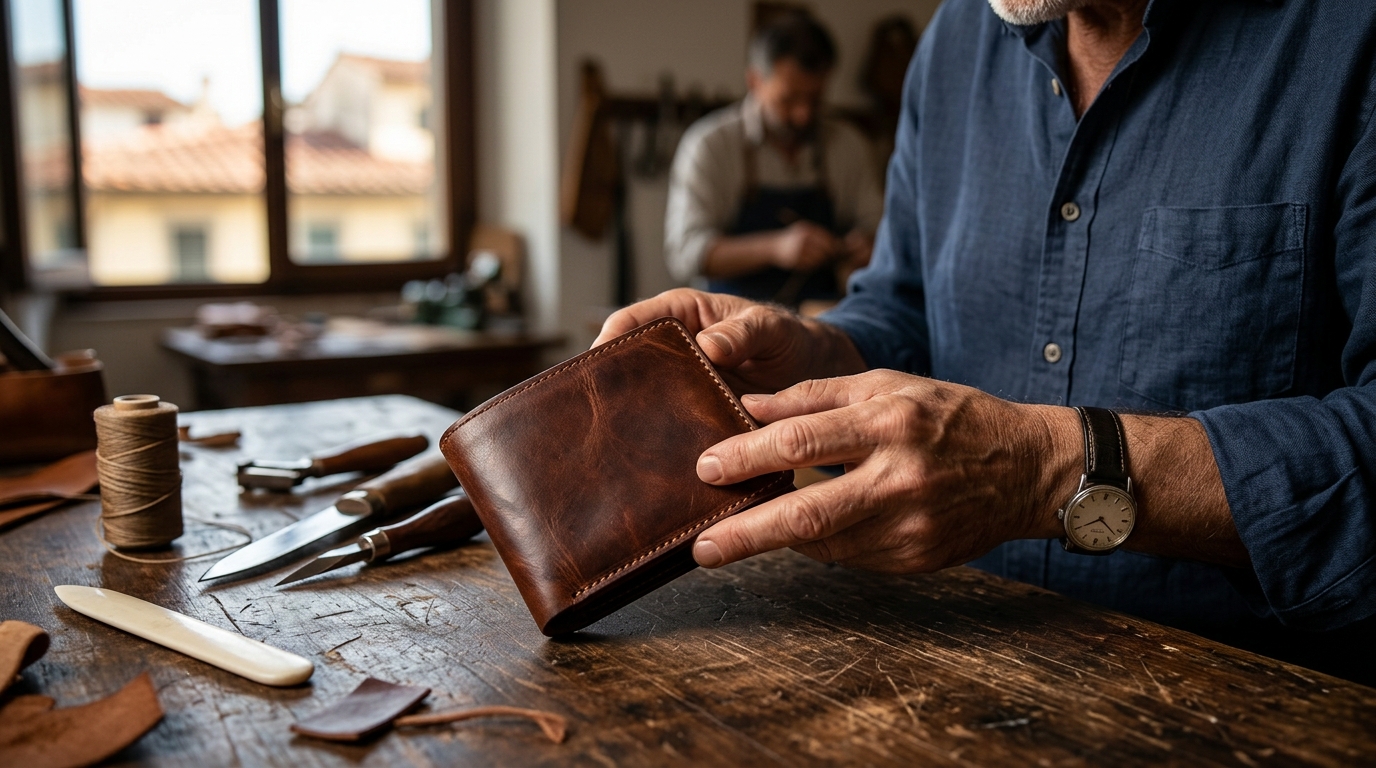
Leather is not merely a material; it is a living record of time and utility. When selecting a wallet for daily use, you are investing in an object that will physically change as you do. The difference between a disposable accessory and a lifelong companion lies in the tanning process, the structural integrity of the stitching, and the provenance of the hide. According to industry data on luxury goods longevity, a properly maintained vegetable-tanned leather product can last over 20 years, developing a unique patina that synthetic materials cannot replicate. This guide dissects the critical factors that define quality, ensuring your next purchase aligns with both functional needs and enduring aesthetic value.
Understanding the Tanning Process
The foundation of any high-quality leather wallet is the tanning method used to preserve the hide. Tanning transforms raw animal skin into durable, non-perishable leather. The two primary methods are chrome tanning and vegetable tanning. Chrome tanning is faster, often taking only 24 hours, and produces leather that is soft and water-resistant. However, it is less environmentally friendly and tends to crack over time.
Vegetable tanning is a traditional process that takes 30 to 60 days. It uses natural tannins from tree bark, chestnut, and other plant sources. Vegetable-tanned leather is stiffer initially but becomes more supple and develops a rich patina with age. This process is favored by artisans who prioritize longevity and environmental stewardship. The resulting leather is also more biodegradable, making it a sustainable choice for the conscious consumer.
When evaluating a wallet, ask about its tanning origin. A wallet crafted from vegetable-tanned leather, such as those found in the Trevony collection, represents a commitment to heritage craftsmanship. This method ensures that the leather does not just wear out, but wears in, becoming more beautiful with every daily interaction.
Decoding Leather Grades
Not all leather is created equal. The grade of leather determines its durability, texture, and price point. Understanding these distinctions prevents overpaying for inferior materials or underestimating the value of premium hides.
Full-Grain Leather
Full-grain leather is the highest quality available. It comes from the top layer of the hide, retaining the natural grain pattern and imperfections. This layer is the strongest and most durable part of the skin. Full-grain leather does not undergo heavy sanding or buffing, preserving its natural integrity. It is resistant to moisture and develops a deep, rich patina over time. A wallet made from full-grain leather, like the Specter Business Bag line, offers unmatched resilience against daily abrasion.
Top-Grain Leather
Top-grain leather is the second-highest grade. It has been sanded to remove imperfections, making it softer and more uniform in appearance. While durable, it lacks the natural breathability and patina development of full-grain leather. It is often used in mass-produced luxury items where consistency is prioritized over character.
Genuine Leather
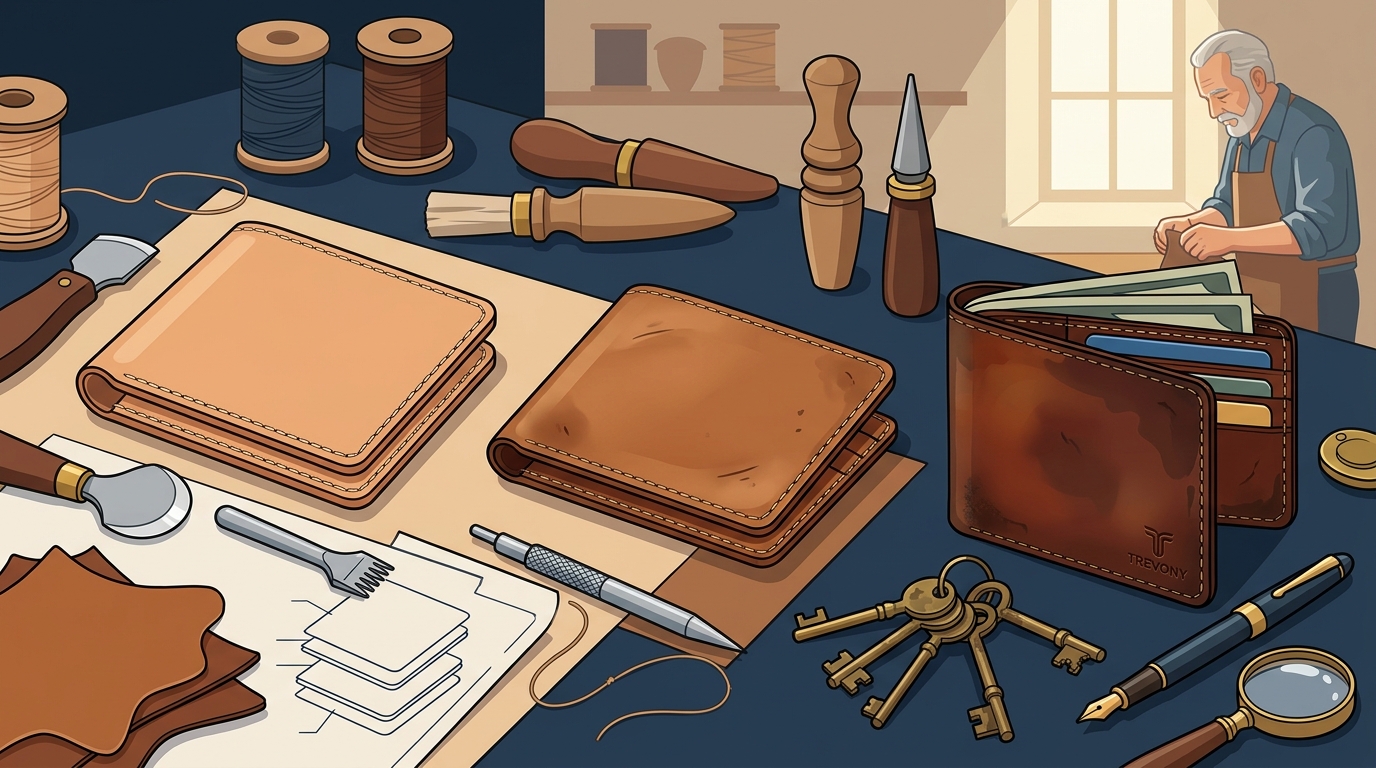
The term "genuine leather" is often misleading. It typically refers to lower-quality leather that has been heavily processed and coated to look like higher grades. This leather is prone to peeling and cracking. For a daily-use wallet, genuine leather is not a viable long-term investment.
Vegetable-tanned leather is a specific type of full-grain leather that has been treated with natural tannins. This process enhances the leather's ability to age gracefully. According to UNESCO, traditional leather crafting techniques in regions like Tuscany are recognized as significant cultural heritages, highlighting the value of these time-honored methods.
Construction and Stitching Integrity
The structural integrity of a wallet is determined by how its components are joined. Mass-produced wallets often use glue or synthetic adhesives, which break down with exposure to heat and moisture. High-quality wallets rely on mechanical fastening, primarily stitching.
Saddle Stitching vs. Machine Stitching
Saddle stitching is a hand-sewing technique where two needles pass through the same hole from opposite directions. This creates a lockstitch that is incredibly strong. If one stitch breaks, the others hold firm, preventing the seam from unraveling. Machine stitching, while faster, uses a single thread loop that can unravel completely if a single point fails. The Trevony atelier employs master artisans who utilize saddle stitching to ensure that every piece can withstand decades of daily use.
Edge Finishing
The edges of a leather wallet are often the first point of failure. High-quality wallets feature hand-painted and burnished edges. This process involves applying multiple layers of edge paint and polishing them to a smooth, sealed finish. This prevents the leather from fraying and keeps moisture out. Poorly finished edges will peel and fray within months of daily use.
Design Philosophy and Daily Utility
A high-quality wallet must balance aesthetic appeal with functional utility. The best designs are minimalist, reducing bulk while maximizing capacity. This philosophy aligns with the Trevony ethos of creating objects for lifetimes, not seasons.
Capacity and Form Factor
Consider your daily carry. Do you need space for multiple cards, cash, and coins? Or do you prefer a slim profile for front-pocket carry? A well-designed wallet, such as the Lumora BumBag, offers strategic compartments that keep items organized without adding unnecessary weight. The internal layout should allow for easy access to frequently used cards while securing less-used items.
Hardware Quality
If the wallet includes hardware, such as buckles or clasps, its quality is paramount. Cheap metal alloys can tarnish, corrode, or break. High-end wallets use solid brass, stainless steel, or palladium-plated hardware. The Trevony Arciere Belt line, for example, features palladium-plated buckles that resist tarnishing and maintain their luster over time. Hardware should feel substantial and operate smoothly without snagging the leather.
Brand Provenance
The origin of the wallet matters. Leather crafted in Florence, Italy, benefits from centuries of artisanal tradition. Tuscany accounts for more than 40% of Italy's leather production, employing thousands of skilled craftspeople. This concentration of expertise ensures a higher standard of quality control. Choosing a wallet from a brand like Trevony supports this living heritage and ensures that your purchase is backed by generations of expertise.
Comparing Wallet Types
Selecting the right form factor is crucial for daily comfort and longevity. Below is a comparison of common wallet types to help you decide which best suits your lifestyle.
| Wallet Type | Best For | Pros | Cons |
|---|---|---|---|
| Bifold | Traditionalists, cash users | Classic look, ample cash storage | Can become bulky, slower access |
| Trifold | Maximum card capacity | Holds many cards, compact when empty | Stiff when full, less durable |
| Cardholder | Minimalists, front-pocket carry | Ultra-slim, lightweight, quick access | Limited cash storage |
| Money Clip | Security, sleek profile | Secure cash hold, thin profile | Clips can break, limited card space |
| Crossbody/BumBag | Travel, hands-free convenience | Secure, distributes weight, high capacity | Larger footprint, less formal |
For daily use, a slim bifold or a high-quality cardholder often provides the best balance of utility and comfort. However, for those who value versatility, a crossbody bag offers superior security and organization for modern lifestyles.
Key Takeaways
- Vegetable Tanning is Superior: It takes 30 to 60 days and produces leather that ages beautifully, unlike chrome-tanned alternatives.
- Full-Grain is the Gold Standard: It retains the hide's natural strength and develops a unique patina over time.
- Saddle Stitching Ensures Durability: Hand-stitched seams are stronger and more reliable than machine stitching.
- Florence Provenance Matters: Leather crafted in Tuscany benefits from over 700 years of artisanal heritage.
- Hardware Quality is Critical: Palladium or solid brass hardware resists tarnishing and ensures long-term functionality.
- Minimalist Design Lasts Longer: Less bulk means less stress on seams and leather, extending the wallet's lifespan.
- Brand Integrity Reflects in Craft: Brands like Trevony prioritize craftsmanship over mass production, ensuring each piece is a lifelong investment.
Frequently Asked Questions
How do I know if a leather wallet is high quality?
Look for full-grain vegetable-tanned leather, saddle stitching, and hand-burnished edges. These features indicate a commitment to durability and craftsmanship that mass-produced wallets lack.
Why is vegetable-tanned leather better for daily use?
Vegetable-tanned leather is more durable and develops a rich patina over time. It is also more environmentally friendly and biodegradable than chrome-tanned leather.
How long does a high-quality leather wallet last?
With proper care, a full-grain vegetable-tanned leather wallet can last 20 years or more. The leather becomes more supple and beautiful with age, rather than wearing out.
What is the difference between full-grain and top-grain leather?
Full-grain leather retains the natural grain and imperfections of the hide, making it the strongest and most durable. Top-grain leather is sanded to remove imperfections, making it softer but less durable.
How should I care for my leather wallet?
Avoid excessive moisture and direct sunlight. Clean with a damp cloth and condition every 6 to 12 months with a high-quality leather conditioner to maintain suppleness.
Is Trevony leather wallet durable?
Yes, Trevony wallets are crafted from full-grain vegetable-tanned leather and feature saddle stitching, ensuring exceptional durability and longevity for daily use.
Where are Trevony wallets made?
Trevony wallets are handcrafted in Florence, Italy, by master artisans who utilize traditional techniques passed down through generations.
Begin Your Collection
Choosing a high-quality leather wallet is an investment in an object that will accompany you through life's defining moments. By prioritizing full-grain vegetable-tanned leather, saddle stitching, and heritage craftsmanship, you ensure that your wallet not only lasts but improves with age. Explore the Trevony collection to find a piece that reflects your journey and stands the test of time. Visit Trevony.com to discover the craft and mark your moment with integrity.