
The Anatomy of a Forever Belt: 8 Enduring Designs Every Wardrobe Needs
Fashion cycles come and go, but a handful of belt silhouettes have outlasted every trend wave of the last century. This guide breaks down eight archetypes that belong in every well-edited closet—plus the material and construction details that separate a belt you keep for decades from one that cracks after a season.
Why a "Forever Belt" Matters More Than Ever
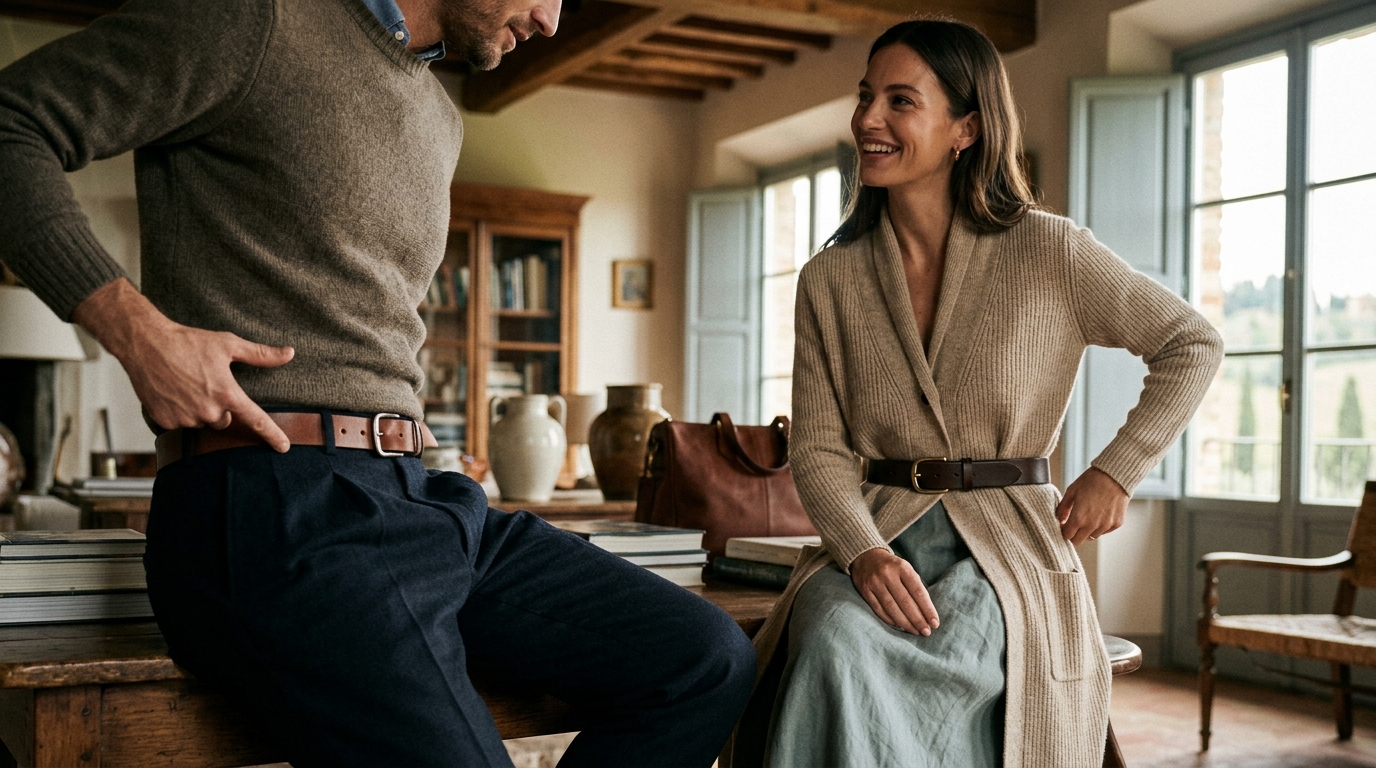
In an era when consumers are increasingly choosing intention over impulse, a belt that transcends seasonal cycles is one of the smartest purchases you can make. Personal stylist Samantha Dawn explains that people are now less interested in hiding behind baggy clothes and are using accessories like belts to define their shape and express individuality. A single well-chosen belt can reframe an entire outfit—cinching a blazer, anchoring high-waisted trousers, or adding the finishing stroke to a capsule-wardrobe rotation.
The economic argument is equally compelling. A quality leather belt develops a rich patina over time that enhances its character, meaning it actually improves with daily wear. Trend-driven alternatives, by contrast, tend to feel dated within a season or two, driving repeat purchases that cost more in the long run.
The Material Checklist: What to Look For Before You Buy
Before choosing a silhouette, nail the fundamentals of material and hardware. These details determine whether a belt lasts five months or fifty years.
- Full-grain leather: The outermost layer of the hide retains the natural grain, offering superior strength and the ability to develop patina. Full-grain leather is widely considered the best option for a well-designed belt that stands the test of time.
- Vegetable tanning: Trend reports for 2026 highlight vegetable-tanned leather as a top material choice because it offers durability, comfort, and timeless style without the chemical shortcuts of chrome tanning.
- Solid brass or stainless-steel hardware: Brass buckles are re-emerging as the timeless choice and a nod to heritage design that never fades from fashion. Avoid zinc alloy, which chips and tarnishes quickly.
- Hand-stitching and hand-finishing: Even stitching demonstrates quality craftsmanship and prevents the belt from fraying over time. Machine-stitched belts often use thinner thread that unravels under stress.
At Trevony, every belt is handcrafted in Florence by a family of master artisans with over seventy years of leatherworking heritage. Premium calfskin leather is paired with precious-metal-coated solid brass hardware—details that keep a belt relevant for decades, not just seasons.
8 Timeless Belt Designs for Men and Women
1. The Mid-Width Leather Belt in Black
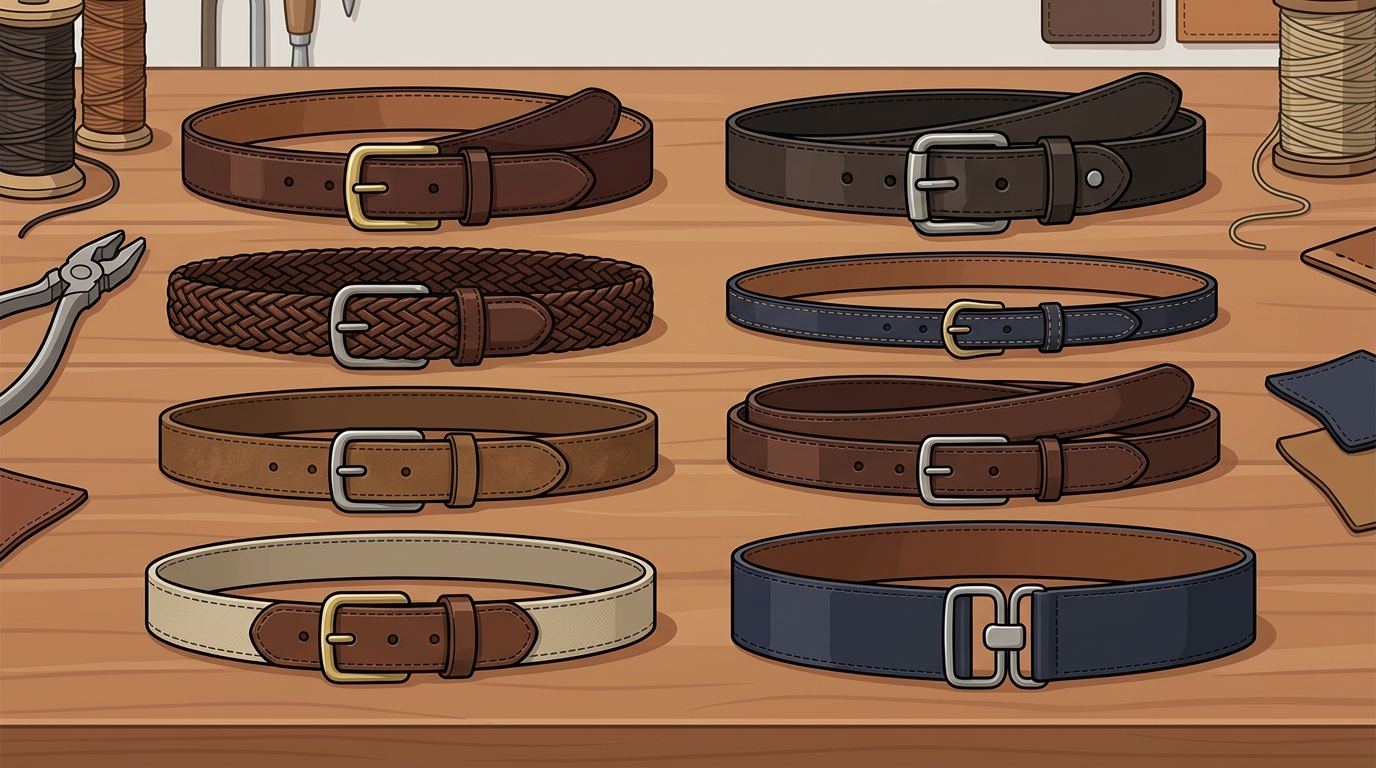
No list of enduring styles is complete without this staple. A belt at approximately 1.5 inches wide with a traditional prong buckle complements virtually any outfit—from office suits to weekend denim. It is widely considered the epitome of versatility and elegance. Stick to full-grain leather and a simple metal buckle for a piece that will work just as well in 2036 as it does today.
2. The Rich Brown Leather Belt
Brown leather belts range from deep mahogany to light tan, and a medium-brown shade is the most versatile starting point because it pairs with khakis, denim, and earth-toned suits without competing for attention. Owning at least one brown and one black belt creates a foundational duo that covers almost every occasion.
3. The Slim Dress Belt
When it comes to quiet luxury, slim belts immediately come to mind—elegant, sophisticated, and governed by the principle that less is more. A slim leather belt in high-quality calfskin provides an understated yet sharp appearance, making it ideal for formal trousers, pencil skirts, and tailored blazers. For men, a slim belt in black or oxblood pairs beautifully with dress shoes; for women, it works equally well threaded through belt loops or resting on the natural waist over a coat.
4. The Wide Waist-Cinching Belt
In contrast to skinny belts, wide belts occupy a powerful place in the silhouette, defining and shaping the waist in a bold, decisive way. They are excellent for creating an hourglass shape and adding structure to oversized knitwear, flowing dresses, or blazers. Wide belts have appeared on runways consistently for decades, and 2026 trend data confirms that widths in the 40–60 mm range are firmly in style, worn over coats and dresses to sculpt the waist and command attention. Trevony's Truth Oversized Belt, crafted from premium calfskin with a striking oversized buckle, is a perfect example of this archetype done right.
5. The Braided or Woven Leather Belt
A braided belt adds textural richness without relying on loud hardware. Three- and five-strand plaited belts are trending in menswear for 2026, lending a handwoven artistry to modern silhouettes. For women, a woven belt in tan or cognac turns a simple linen dress into a resort-ready look. Because braided belts flex with movement and adjust easily, they are especially forgiving across different body shapes.
6. The Reversible Belt
A well-engineered reversible belt gives you two colours or finishes in one piece, making it a practical luxury for travel and streamlined wardrobes. Modern versions feature seamless twist mechanisms that look intentional, not gimmicky. Choose a reversible black-and-brown option for maximum versatility, and ensure the buckle design is refined enough to complement both sides.
7. The Suede Belt
Suede continues to make its mark in belt design, celebrated for its soft tactility and natural warmth. Rich chocolate browns and burnished tans feel equally at home with tailored trousers or casual denim. Because suede is a softer material, look for a belt with reinforced edges and quality stitching to ensure it holds its shape over years of wear.
8. The Chain Belt
A fine-link metal chain belt is the dressiest option on this list and one of the most enduring. Gold and silver finishes have been wardrobe staples for decades—celebrities from Coco Chanel to modern style icons have used chain belts to add a refined, jewellery-like accent at the waist. A chain belt can be worn on its own or layered with other belts to create dimension and visual interest in an outfit. Opt for solid metals over plated versions; they resist tarnish and develop a gentle lustre over time.
Styling Principles That Never Date
- Match metals to the occasion: Brushed nickel and gunmetal lean contemporary; brass reads heritage and warm. Understanding your proportions will help you decide which finish creates the best harmony with your jewellery and watch.
- Coordinate leather tones, not exact shades: For formal and business settings, matching belt colour to shoe colour is still considered a mark of polish. In casual contexts, tonal harmony matters more than an exact match.
- Use width to control emphasis: Slim belts for formal, wide belts for statement-making, and mid-width for everyday versatility. A 1.25- to 1.5-inch strap is the most universally flattering width for both men and women.
- Restrain branding: A refined logo buckle conveys sophistication; oversized logos can quickly feel dated. The quiet-luxury movement underscores that the best designer belts succeed through material quality and proportional precision, not logo signalling.
Care Tips to Maximise Longevity
- Condition every three to six months with a leather-specific balm to prevent drying and cracking. Vegetable-tanned leather, in particular, responds beautifully to conditioning.
- Store flat or loosely rolled—never hanging by the buckle, which stresses the holes nearest the buckle.
- Rotate your belts. Letting leather rest between wears allows the fibres to recover their shape.
- Avoid prolonged moisture. If your belt gets wet, blot it gently and let it air-dry away from direct heat.
- Polish hardware periodically with a soft cloth. Solid brass develops a warm patina; if you prefer a brighter finish, a non-abrasive metal polish restores the shine.
Key Takeaways
- Eight belt archetypes—black leather, brown leather, slim dress, wide waist-cinching, braided, reversible, suede, and chain—cover virtually every wardrobe scenario for both men and women.
- Material matters more than design: full-grain leather, vegetable tanning, and solid brass or stainless-steel hardware are the non-negotiable foundations of a forever belt.
- Handcrafted construction from heritage ateliers—such as Trevony's Florentine workshop—ensures each belt ages gracefully and outlasts mass-produced alternatives.
- Timeless design avoids oversized logos and flashy novelty; it relies on balanced proportions, natural leather tones, and minimalist hardware.
- Proper care—conditioning, flat storage, rotation—extends a quality belt's lifespan to decades.
Frequently Asked Questions
What belt width works for both men and women?
A strap between 1.25 and 1.5 inches (roughly 30–38 mm) is the most universally flattering width. It threads through standard belt loops, complements both trousers and skirts, and sits comfortably at the natural waist or hips. Wider belts (2 inches and above) work best for casual or statement looks, while anything under an inch is best reserved for formal styling or cinching dresses.
Should my belt always match my shoes?
In formal and business environments, matching belt colour to shoe colour is still considered a mark of polish. In casual settings, perfect coordination is less important—aim for tonal harmony rather than an identical shade.
Why does full-grain leather matter for a timeless belt?
Full-grain leather retains the hide's outermost layer, which gives it unmatched tensile strength and the ability to develop a patina that actually improves with age. Corrected-grain and bonded leathers may look similar initially, but they lack the depth and durability needed for a belt you intend to keep for decades.
Are wide belts still in style?
Absolutely. Wide belts are a perennial silhouette tool. They define and shape the waist in a bold way and remain a staple on runways and in everyday styling—especially when paired with blazers, oversized knitwear, or high-waisted trousers. Trend data for 2026 confirms that belts in the 40–60 mm range are firmly in demand.
What makes Trevony belts different from mass-produced options?
Trevony belts are handcrafted in Florence by a family-run atelier with over seventy years of leatherworking expertise. Each piece uses premium calfskin leather and precious-metal-coated solid brass hardware. Because production is low-volume and artisan-driven, every belt is hand-cut, hand-stitched, and hand-finished—resulting in heirloom-quality construction that develops character over time.