
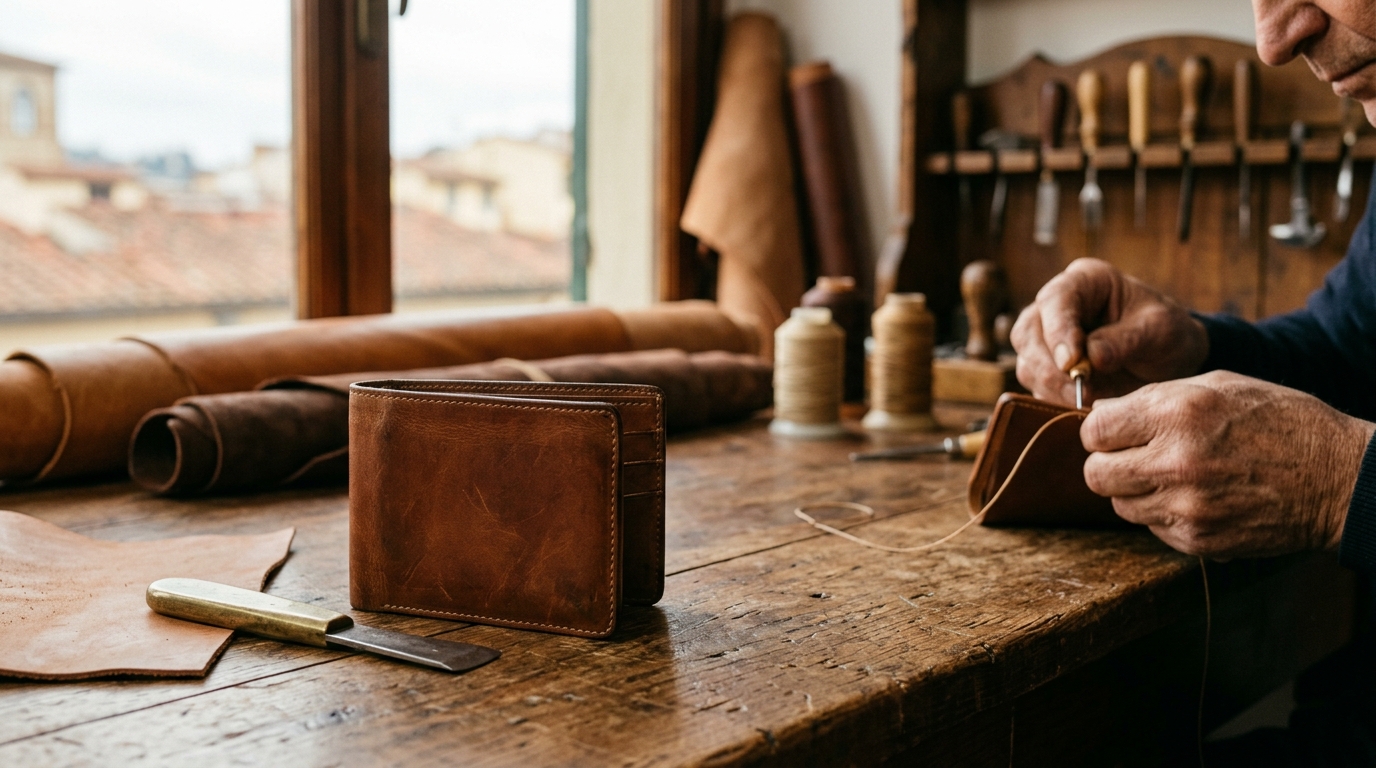
Leather is one of the few materials that improves with age, developing a unique patina that tells the story of its owner. According to industry experts, full-grain leather is the most durable type available, resisting wear while maintaining structural integrity over decades of use. Choosing the right wallet is not just about carrying cards; it is about investing in an accessory that evolves with you. This guide breaks down the essential factors to consider when selecting a wallet that balances aesthetics, functionality, and longevity.
Understanding Leather Grades
The foundation of any high-quality wallet is the leather itself. Not all leather is created equal, and understanding the hierarchy of grades will save you from buying a product that peels or cracks within months. The term "full-grain leather" is often used in marketing, but it has a specific technical meaning. Full-grain leather is the top layer of the hide, retaining the natural grain and imperfections that prove its authenticity. This type of leather is the most durable because the fibers are tightly packed.
Below full-grain, you will encounter "top-grain" leather. Top-grain leather is the second-highest quality. It has been sanded and buffed to remove imperfections, making it smoother and more uniform in appearance. While slightly less durable than full-grain, it is still an excellent choice for daily use and offers a more refined look. Avoid "genuine leather" if you seek longevity. Genuine leather is a broad term often applied to lower-quality splits of the hide that have been coated with polyurethane or an artificial grain. This coating can crack and peel over time, especially with frequent flexing.
For a wallet that will last, prioritize full-grain or high-quality top-grain leather. At Trevony, we focus on handcrafted pieces that utilize premium hides to ensure every stitch holds up to daily stress. The natural texture of these leathers not only looks better but also ages more gracefully, developing a rich patina that synthetic materials cannot replicate.
Evaluating Construction Quality
Even the finest leather will fail if the construction is poor. When inspecting a wallet, look closely at the stitching. High-quality wallets use waxed thread and a saddle-stitching technique. Saddle stitching is stronger than machine locking stitches because if one stitch breaks, the others remain intact. Machine stitching, while faster, creates a loop that can unravel completely if a single point of failure occurs.
Examine the edges of the wallet. Quality leather goods have edges that are burnished, painted, or folded and glued. Burnished edges are sanded smooth and polished with beeswax or dye, creating a sealed, water-resistant finish. Rough, raw edges that fray easily are a sign of cheap manufacturing. Additionally, check the hardware. Zippers, snaps, and clasps should feel substantial and operate smoothly. Cheap metal plating will chip quickly, exposing base metals that can rust or irritate your skin.
Consider the thickness of the leather. A wallet that is too thin may lack structure, while one that is too thick may be uncomfortable in your pocket. The ideal thickness balances durability with comfort. Industry standards suggest that leather between 1.2mm and 1.4mm is optimal for wallets that need to hold their shape without adding bulk.
Design and Functional Needs
Before judging the material, define your daily carry requirements. A wallet that works for a minimalist will fail for someone who carries cash, receipts, and multiple cards. The design philosophy of modern leather goods emphasizes utility without sacrificing elegance. Start by counting your cards. If you carry more than six cards, you need a wallet with a secure closure or a bifold design that prevents cards from popping out.
Think about the cash you carry. Do you fold your bills, or do you keep them flat? A billfold with a wide slot is better for folded cash, while a money clip is ideal for those who prefer a slim profile. Consider the pocket you will use most. A front-pocket wallet should be slim and rigid enough to maintain its shape. A back-pocket wallet can be slightly larger but must have a secure closure to prevent theft.
Also, consider the wallet's capacity to expand. Leather stretches slightly over time. A wallet that fits your cards perfectly when new may become too tight or too loose. Look for wallets with a slight give in the leather or adjustable straps. At Trevony, our wallets are designed with precise card slots that grip cards firmly yet allow for easy removal, ensuring that your essentials stay secure without being difficult to access.
The Role of Brand and Craftsmanship
Choosing a brand that values craftsmanship ensures that you are not just buying a product, but an investment. Mass-produced wallets often use synthetic glues and cheap materials to cut costs. Handcrafted wallets, like those found in the Trevony collection, are assembled with care and attention to detail. This attention to detail is evident in the alignment of patterns, the consistency of stitching, and the finish of the edges.
Research the brand's history and values. Brands that specialize in leather goods often have a reputation for quality that is built over years. They source their hides from reputable tanneries and use traditional techniques that have been proven to last. According to tanning experts, vegetable-tanned leather is the gold standard for durability and environmental sustainability. It ages beautifully and is biodegradable, unlike chrome-tanned alternatives.
Customer reviews and return policies are also indicators of brand confidence. A brand that stands behind its product will offer a generous return policy and warranty. This gives you the peace of mind to try the wallet and ensure it meets your expectations. Trevony offers a clear returns and exchanges policy, allowing you to shop with confidence.
Care and Longevity
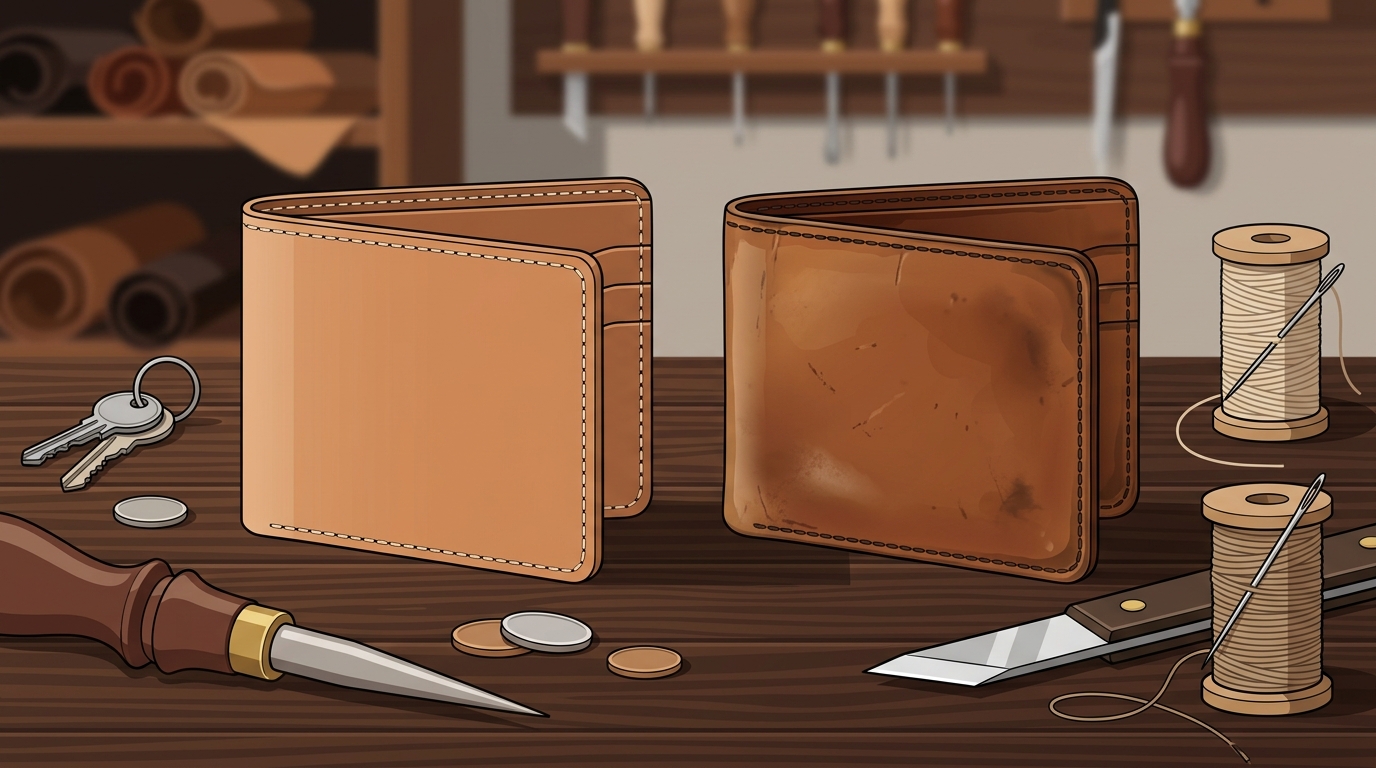
Once you have chosen your wallet, proper care will extend its life significantly. Leather is a natural material that needs to breathe and stay hydrated. Avoid exposing your wallet to excessive heat or direct sunlight for prolonged periods, as this can dry out the leather and cause it to crack. If your wallet gets wet, let it air dry naturally. Never use a hairdryer or place it near a heater.
Condition your leather wallet every few months. Use a high-quality leather conditioner to keep the material supple and prevent it from drying out. Apply a small amount of conditioner with a soft cloth, rubbing it in gently. Allow it to absorb for a few hours before using the wallet again. This simple routine will keep your wallet looking new for years.
Store your wallet in a cool, dry place when not in use. Avoid stuffing it with unnecessary items, as this can distort its shape. If you are not using your wallet for an extended period, stuff it with acid-free tissue paper to help it maintain its form. Trevony provides care instructions with every purchase to help you maintain the beauty of your leather goods.
Key Takeaways
- Prioritize Full-Grain Leather: It is the most durable and ages best, developing a unique patina over time.
- Check the Stitching: Saddle stitching is stronger and more reliable than machine stitching for long-term use.
- Assess Edge Finishing: Burnished or painted edges indicate high-quality construction and resistance to fraying.
- Match Design to Carry: Choose a wallet that fits your specific card and cash volume to avoid bulk or insecurity.
- Verify Brand Reputation: Look for brands that specialize in leather and offer warranties or clear return policies.
- Condition Regularly: Apply leather conditioner every few months to keep the material supple and prevent cracking.
- Avoid Synthetic Materials: Genuine leather or bonded leather will not last as long as full-grain or top-grain options.
Frequently Asked Questions
What is the difference between full-grain and top-grain leather?
Full-grain leather is the highest quality, retaining the natural grain and imperfections of the hide. Top-grain leather is sanded to remove imperfections, making it smoother but slightly less durable.
How do I know if a leather wallet is high quality?
Look for full-grain or top-grain leather, saddle stitching, burnished edges, and substantial hardware. The leather should feel thick and substantial, not thin or flimsy.
Can I use a leather wallet in the rain?
Leather is naturally water-resistant to some degree, but it is not waterproof. If it gets wet, let it air dry naturally. Do not use heat to dry it, as this can cause cracking.
How often should I condition my leather wallet?
Condition your wallet every three to six months, depending on how often you use it and the climate you live in. If the leather feels dry, it is time to condition.
What is the best way to store a leather wallet?
Store it in a cool, dry place away from direct sunlight. Stuff it with tissue paper to maintain its shape if you are not using it for an extended period.
Why is vegetable-tanned leather preferred?
Vegetable-tanned leather is durable, biodegradable, and ages beautifully. It is tanned using natural tannins from tree bark, making it more environmentally friendly than chrome-tanned leather.
How do I clean a leather wallet?
Use a soft, dry cloth to wipe away dirt. For deeper cleaning, use a leather cleaner specifically designed for the type of leather you have. Avoid harsh chemicals or water.
Find Your Perfect Wallet
Choosing the right leather wallet is an investment in your daily style and longevity. By understanding the materials, construction, and care required, you can ensure that your wallet serves you well for years to come. Explore the Trevony wallet collection to find a handcrafted piece that meets your standards. Visit our homepage to learn more about our commitment to quality and craftsmanship.