
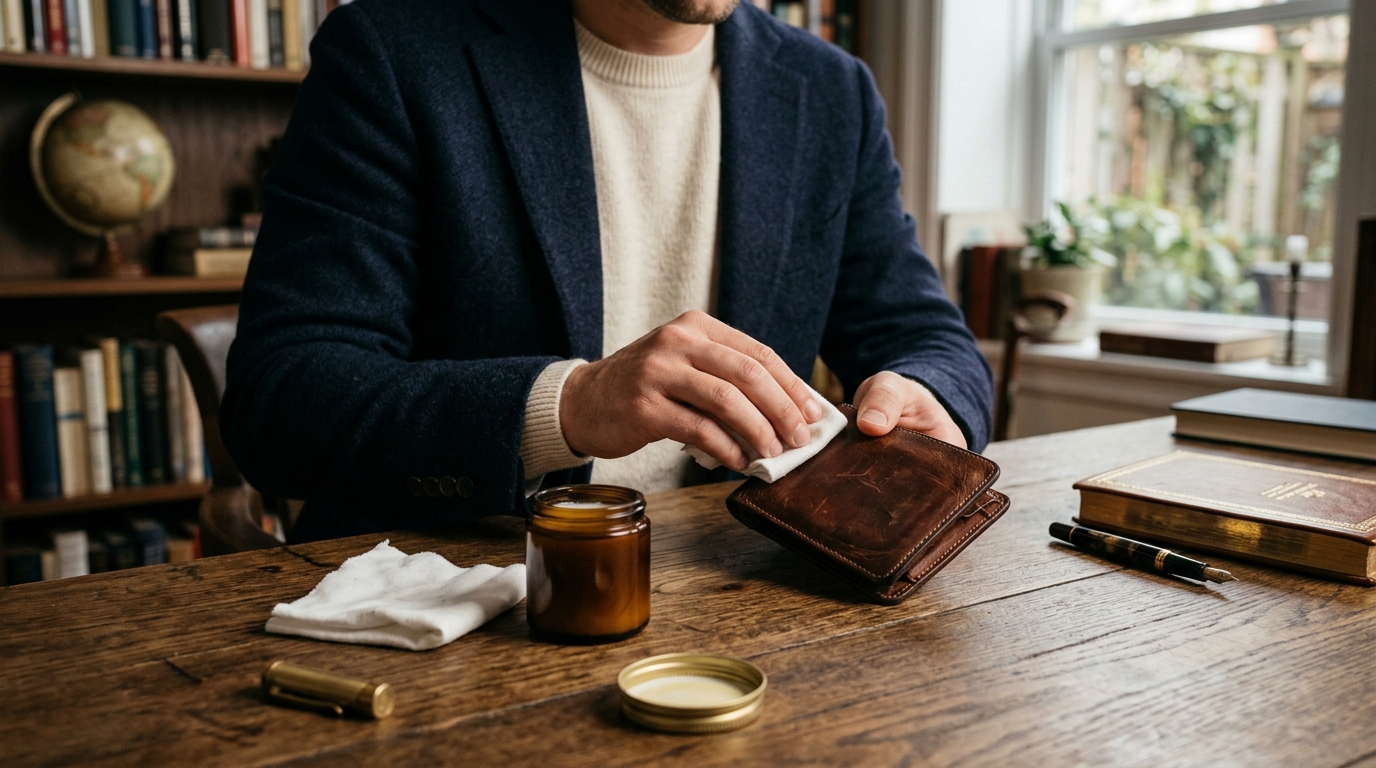
A handcrafted Italian leather wallet is more than an everyday carry — it is a statement of taste, a testament to centuries-old tanning traditions, and an investment that rewards attentive owners with a rich, distinctive patina. Whether your Trevony wallet is vegetable-tanned in Tuscany or finished with full-grain hides, the steps below will help it look impeccable for years — even decades — to come.
Why Proper Care Matters for Italian Leather
Italian leather is renowned for its quality, durability, and luxurious texture, often tanned using traditional methods that produce a rich finish. Yet even the finest hide will degrade without attention. Over time, skin oils, dust, and pollutants build up on the leather, dulling its surface and weakening the fibers within the wallet. Regular maintenance preserves both aesthetic allure and structural integrity, allowing the leather to develop a beautiful, unique patina rather than unsightly cracks.
Neglect can cause cracks, stains, or a loss of the supple texture that makes Italian leather so desirable. On the other hand, too much cleaning or using the wrong products can strip its natural oils, leading to a brittle feel. The goal is a balanced routine — gentle, consistent, and informed.
Gather the Right Supplies Before You Begin
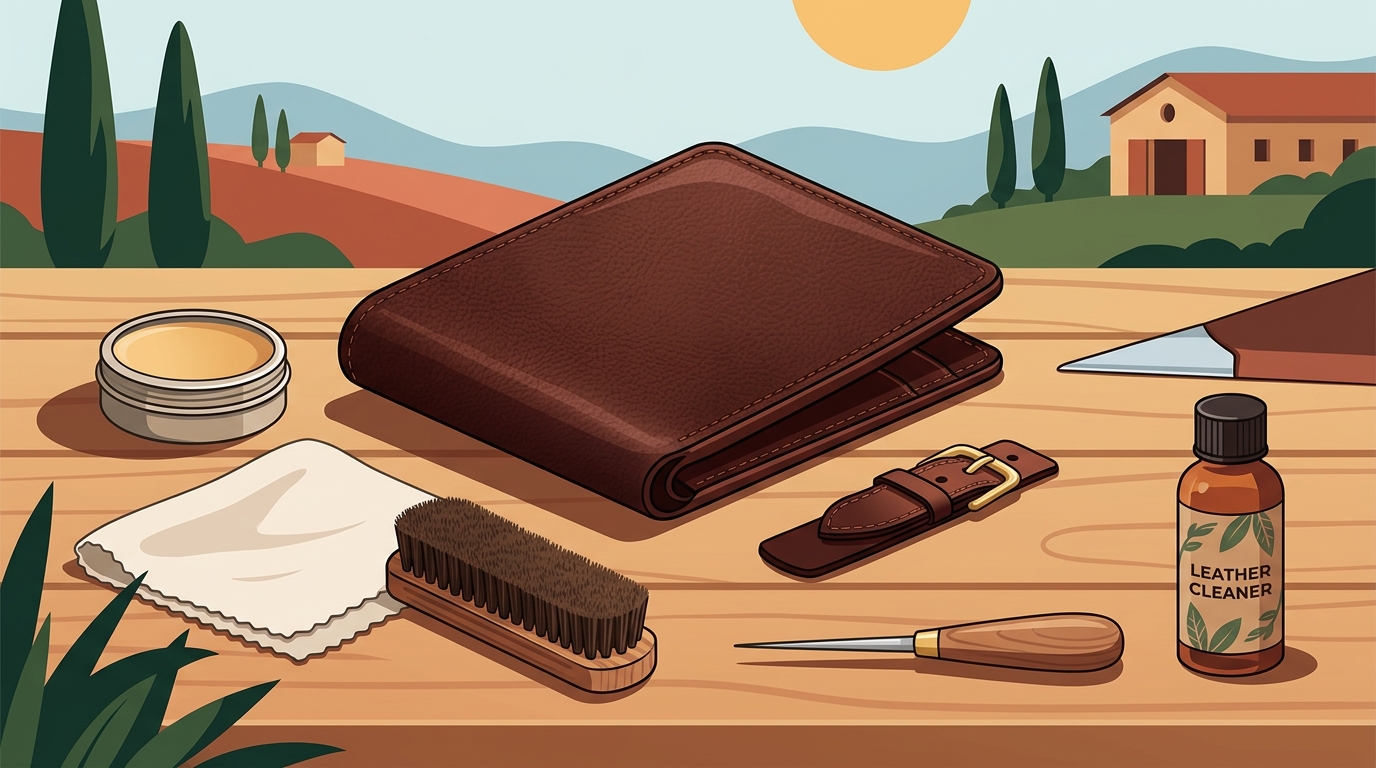
Having the correct tools on hand makes every maintenance session efficient and safe. Here is what you need:
- Microfiber cloths (3–4): Lint-free, soft, and gentle on delicate finishes.
- Soft-bristle brush: Ideal for lifting dust from stitching and crevices.
- pH-neutral leather cleaner: Specially formulated to cleanse without stripping oils.
- Leather conditioner with natural oils (lanolin or beeswax-based): Replenishes moisture and prevents cracking.
- Waterproofing balm (silicone-free): Adds a protective barrier for everyday exposure.
- Cotton swabs: Helpful for targeted stain removal.
- Dust bag or cotton pillowcase: For safe long-term storage.
Step 1 — Declutter and Empty Your Wallet Regularly
Overstuffing is one of the most common — and most damaging — habits. Leather will stretch if you load it beyond the intended capacity, and pockets can become loose or even pull away from the stitching. Aim to carry only the essentials: identification, two or three payment cards, and the cash you need that day.
Set a reminder to tidy up your wallet every two weeks. Remove expired coupons, old receipts, and membership cards you never use. This simple discipline preserves the wallet's original, elegant shape and distributes pressure evenly across the leather.
Step 2 — Dust and Wipe Down Weekly
Dust and dirt can become embedded in leather if left unchecked. Every few days, wipe your wallet with a microfiber cloth, making circular motions to lift particles gently without scratching. Pay close attention to crevices and stitching where grime hides.
A quick weekly wipe prevents surface soil from bonding to the leather's pores. Since leather is porous, it absorbs adjacent moisture and oil from whatever surface it contacts — including your hands. Consistent dusting keeps that absorption manageable.
Step 3 — Deep-Clean Monthly with a pH-Neutral Cleaner
For more thorough care, use a specialized pH-neutral leather cleaner once a month to remove oils and built-up grime. Apply just a small amount to a lightly dampened cloth, rubbing it in light circles to avoid saturation. Then remove residue with a slightly damp cloth to avoid clogging the pores of the leather.
Important: Always test the product on a hidden spot inside the wallet first. Leather can vary in how it reacts to certain products, and even premium Italian hides can change color with certain formulas. Wait ten minutes and check for discoloration before proceeding.
Step 4 — Condition Every Three to Six Months
Leather requires moisture to retain its luster and flexibility. Natural oils evaporate over time, which makes the leather brittle and more vulnerable to cracking. Conditioning replenishes those oils and preserves the wallet's suppleness.
How to Condition Properly
- Place the wallet on a clean, flat surface.
- Use a dime-sized amount of conditioner on a soft cloth.
- Apply in circular motions, covering every section evenly. Concentrate on edges and corners that endure the most friction.
- Let the conditioner absorb for at least 20 minutes — or overnight for optimal results.
- Buff with a dry microfiber cloth to remove any residue.
Choose conditioners that include natural oils such as lanolin, which replicate the oils found in leather and absorb well without leaving a greasy texture. For vegetable-tanned Italian leather specifically, beeswax-based balms are an excellent choice. Conditioning every three to six months is ideal; applying too frequently may result in an oversaturated, greasy feel.
Step 5 — Protect Against Water and Humidity
Italian leather wallets should never be exposed to excess moisture, as water spots can alter their polished surface. If your wallet gets wet — from rain, a spill, or a damp countertop — gently blot it immediately with a dry cloth and allow it to air dry at room temperature. Never use a hairdryer, radiator, or direct sunlight; excessive heat will overly dry the material, causing it to shrink and crack.
For proactive protection, apply a silicone-free waterproofing balm once every three to four months. This shields the surface from light rain and humidity without suffocating the leather's pores.
Step 6 — Store Correctly When Not in Use
When you are not using your wallet — whether overnight or during an extended trip — proper storage matters. Keep it in a cool, dry place away from direct sunlight; UV exposure fades colour over time. Store it in a dust bag or breathable cotton pillowcase for extra protection against scratches and dust.
If the wallet will sit unused for weeks, lightly stuff the bill compartment with acid-free tissue paper to help it retain its natural shape. Avoid plastic bags, which trap moisture and can cause mildew. Never store your wallet in humid environments as this can harm the material and encourage mould growth.
Step 7 — Handle Stains and Scratches Promptly
Even with careful maintenance, leather can develop minor scuffs or stains. Prompt treatment prevents permanent damage.
| Stain Type | Recommended Treatment |
|---|---|
| Ink or pen marks | Dab gently with a cotton swab dipped in rubbing alcohol. Never rub — blot until the stain fades, then condition the area. |
| Grease or oil spots | Sprinkle cornstarch or baking soda on the affected area, leave overnight, then brush off. Repeat if necessary. |
| Water spots | Allow to dry naturally, then buff the area with a soft dry cloth. Condition afterwards. |
| Food residue | Scrape gently with a blunt edge, then clean with a damp cloth and mild soap solution. |
| Minor scuffs | Rub gently with a clean fingertip — body heat and oils can often diminish light surface scratches on full-grain leather. |
For any treatment, always test on a small, inconspicuous area first to confirm compatibility.
Step 8 — Schedule Professional Restoration Annually
Professional care services offer deep cleaning and conditioning to revitalise the material and repair minor imperfections, helping your wallet age gracefully. A yearly professional session is especially worthwhile if your wallet has developed deeper scratches or lost some of its original colour. Skilled leather artisans can address stitching wear, re-dye faded areas, and apply restorative treatments that maintain the leather's character without overcorrecting it.
If you notice damaged stitching or torn linings at any point, consult a specialist rather than attempting a DIY repair — mismatched thread or incorrect techniques can worsen the issue.
Common Mistakes to Avoid
- Sitting on your wallet: The extra pressure distorts the shape and stresses both leather and seams.
- Using shoe-care products: Some leather shoe products are too heavy for wallets and can oversaturate delicate hides.
- Applying harsh chemicals: Bleach, ammonia, and general-purpose cleaners will strip natural oils and cause discoloration.
- Over-conditioning: More is not better. Stick to the three-to-six-month cycle to avoid a greasy buildup.
- Drying with heat: Hairdryers, radiators, and sunlight cause shrinkage and cracking.
- Ignoring the interior: Periodically vacuum or blow out lint from card slots and corners to prevent interior grime from migrating outward.
Key Takeaways
- Italian leather thrives on gentle, consistent care — not aggressive cleaning.
- Wipe your wallet with a microfiber cloth every few days; deep-clean monthly.
- Condition with a lanolin- or beeswax-based product every three to six months.
- Never expose your wallet to excessive heat, direct sunlight, or standing water.
- Store in a breathable dust bag in a cool, dry location.
- Address stains immediately — the longer they sit, the harder they are to remove.
- An annual professional restoration keeps the leather looking its best for decades.
Frequently Asked Questions
How often should I condition my Italian leather wallet?
For vegetable-tanned or top-grain Italian leather, conditioning every three to six months strikes the right balance between hydration and over-saturation. If you live in a particularly dry or polluted climate, lean toward the three-month end of that range.
Can I use olive oil or coconut oil on my leather wallet?
Household oils can soften leather but they may darken it permanently and can turn rancid over time. It is safer to use a purpose-made leather conditioner with natural ingredients like lanolin or beeswax for predictable, lasting results.
What should I do if my Italian leather wallet gets soaked in rain?
Blot immediately with a dry, soft cloth — never rub. Let the wallet air dry at room temperature away from direct heat or sunlight. Once fully dry, apply conditioner to restore lost moisture and prevent cracking.
How do I remove an ink stain from a leather wallet?
Dip a cotton swab in rubbing alcohol and gently blot — do not rub — the stain. Check for colour transfer on a hidden spot first. Once the ink fades, wipe with a damp cloth, allow to dry, and condition the treated area.
Is it bad to keep my wallet in my back pocket?
Sitting on your wallet distorts its shape and places excessive stress on the leather, seams, and even your cards. A front pocket or jacket breast pocket is a better choice for both the wallet's longevity and your posture.
Why does my leather wallet look better with age?
Quality leather develops a patina over time — a natural sheen that results from handling, light exposure, and absorbed oils. This characteristic is prized in Italian leather goods and is a sign of authenticity and quality, not damage.